
Veggie Omelette Recipe (Quick, Protein-Packed, and Everyday Reliable)

A veggie omelette is one of the most efficient breakfasts you can make. It is fast, filling, and flexible, yet it still feels like a proper meal rather than a fallback option. When done right, a veggie omelette is fluffy, flavorful, and packed with vegetables without tasting heavy or watery.

This recipe focuses on technique and balance, not overload. Too many vegetables or the wrong cooking order can ruin an omelette. This version keeps things simple so you get clean flavor, good texture, and consistent results—whether it is a weekday breakfast or a light dinner.
Why This Recipe Works
The strength of a veggie omelette lies in restraint. Eggs cook quickly, so vegetables must be prepared properly before they go in. This recipe cooks vegetables first to remove excess moisture, then adds eggs at the right moment to keep the omelette tender rather than rubbery.
It also works because it is nutritionally complete. Eggs provide protein and fat, vegetables add fiber and micronutrients, and the meal leaves you full without feeling weighed down. It fits almost any eating style and adapts easily to what you have on hand.
Flavor and Texture You Can Expect
The flavor is savory and clean. Eggs remain the star, while vegetables add sweetness, freshness, and depth rather than overpowering the dish. Proper seasoning makes a noticeable difference here—salt brings everything together.
Texture should be soft and fluffy, not dry. The vegetables are tender but not mushy, and the omelette folds easily without cracking or browning too aggressively.
Ingredients
A good veggie omelette starts with fresh eggs and vegetables that cook quickly. Avoid watery vegetables unless they are cooked down first. The ingredient list below is a framework, not a restriction.
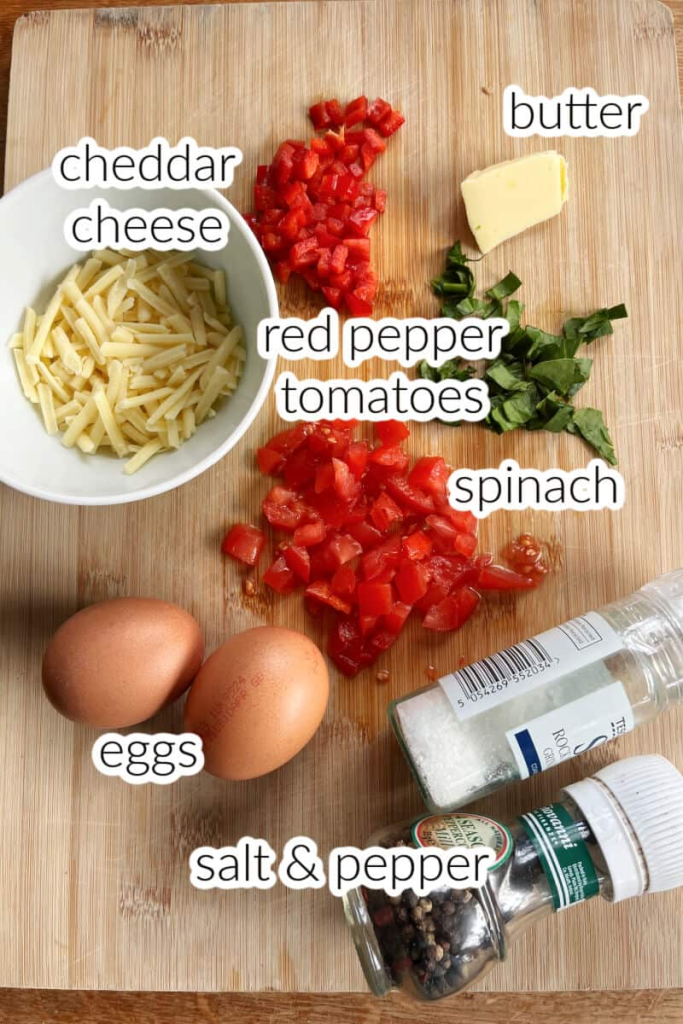
- Eggs
- Olive oil or butter
- Bell pepper, diced
- Onion, finely chopped
- Spinach, chopped
- Salt and black pepper
- Optional: cheese, mushrooms, tomatoes, or herbs
How to Make a Veggie Omelette
Step 1. Prep the Vegetables
Chop all vegetables into small, even pieces. This ensures quick cooking and even distribution.
Step 2. Cook the Vegetables
Heat olive oil or butter in a non-stick skillet over medium heat. Add onion and bell pepper and cook until softened. Add spinach last and cook just until wilted. Transfer vegetables to a plate.
Step 3. Prepare the Eggs
Crack eggs into a bowl, season with salt and pepper, and whisk until well combined.
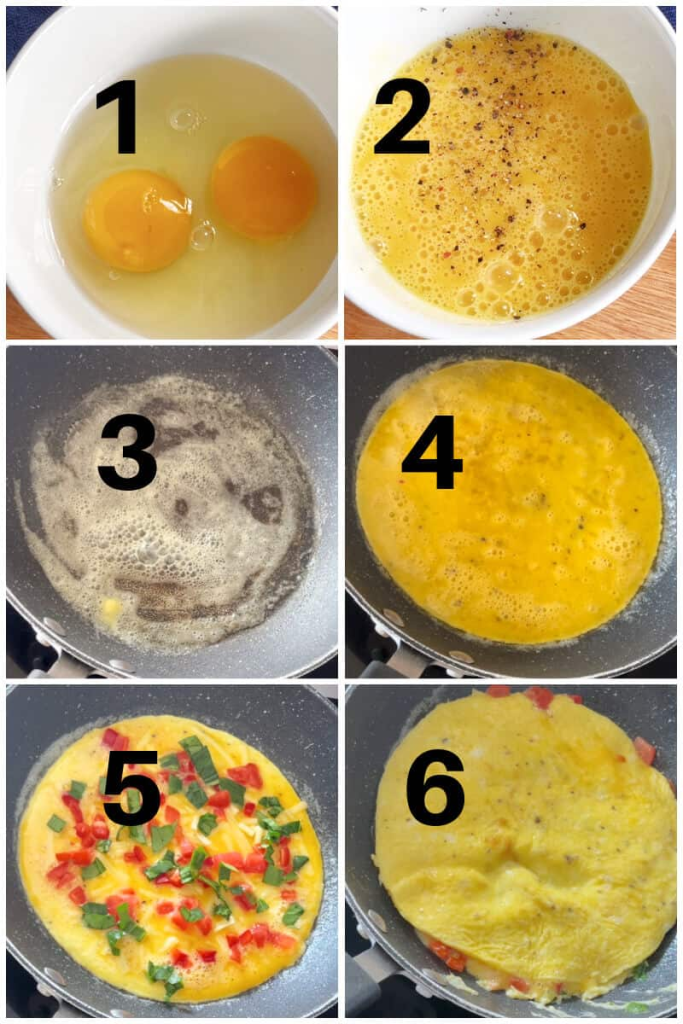
Step 4. Cook the Omelette Base
Reduce heat to medium-low. Add a bit more oil or butter if needed, then pour eggs into the skillet. Let them set slightly without stirring.
Step 5. Add Fillings
Once the eggs are mostly set but still soft on top, spread the cooked vegetables evenly over one half of the omelette. Add cheese if using.
Step 6. Fold and Finish
Carefully fold the omelette in half. Cook for another minute until fully set but still tender. Slide onto a plate and serve immediately.
Vegetable Combinations That Work Best
Vegetables that release less water work best: bell peppers, onions, mushrooms (pre-cooked), spinach, zucchini (sautéed), and scallions. Tomatoes should be seeded or lightly cooked first to avoid sogginess.
Mixing two to three vegetables keeps the omelette balanced. Too many fillings can make it heavy and difficult to fold.

When to Serve a Veggie Omelette
This omelette works well for breakfast, but it is also a strong option for lunch or a light dinner. Pair it with toast, fruit, or a simple salad depending on the time of day.
It is especially useful when you want something warm, fast, and protein-rich without relying on processed foods.
Make-Ahead and Storage Tips
Omelettes are best eaten fresh, but vegetables can be prepped and cooked ahead of time to speed things up. Store cooked vegetables in the refrigerator for up to three days.
If you must store a cooked omelette, keep it in an airtight container and reheat gently, understanding the texture will soften slightly.
Common Mistakes to Avoid
Cooking on high heat is the most common mistake. It causes browning and dryness. Another issue is adding raw vegetables directly to the eggs, which releases water and ruins texture.
Overfilling the omelette is another problem. Less filling leads to better structure and flavor.
FAQs
Can I make this dairy-free?
Yes. Skip cheese and use olive oil instead of butter.
How many eggs should I use?
Two to three eggs per omelette works best.
Can I add meat?
Yes. Cook it fully before adding it to the omelette.
Why does my omelette turn rubbery?
The heat is too high or it is overcooked.
Final Thoughts
A veggie omelette is simple food that rewards good technique. With the right order and timing, it becomes fluffy, flavorful, and satisfying rather than flat or watery. Once you understand the basics, this recipe turns into a flexible framework you can adapt endlessly—making it one of the most reliable meals you can keep in your routine.


Veggie Omelette
Ingredients
Equipment
Method
- Add onion and bell pepper and cook until softened, about 3–4 minutes.
- Add spinach and cook just until wilted. Transfer vegetables to a plate.
- Crack eggs into a bowl, season with salt and black pepper, and whisk well.
- Reduce heat to medium-low and pour eggs into the skillet.
- When the eggs are mostly set but still soft on top, spread the cooked vegetables over one half of the omelette. Add cheese if using.
- Carefully fold the omelette in half and cook for 1 more minute until fully set but tender.
- Slide onto a plate and serve immediately.
Video
Notes
- Cook vegetables first to remove excess moisture and prevent a watery omelette.
- Keep fillings minimal for easier folding and better texture.
- Use low heat to avoid browning and dryness.

