
Chicken Primavera Pasta (Fresh, Balanced, and Built for Weeknights)

Chicken primavera pasta is what you make when you want comfort without heaviness. It’s a dish that leans on freshness, timing, and restraint instead of cream, butter overload, or complicated techniques. When done right, it feels light but satisfying — the kind of meal you finish and still feel good afterward.
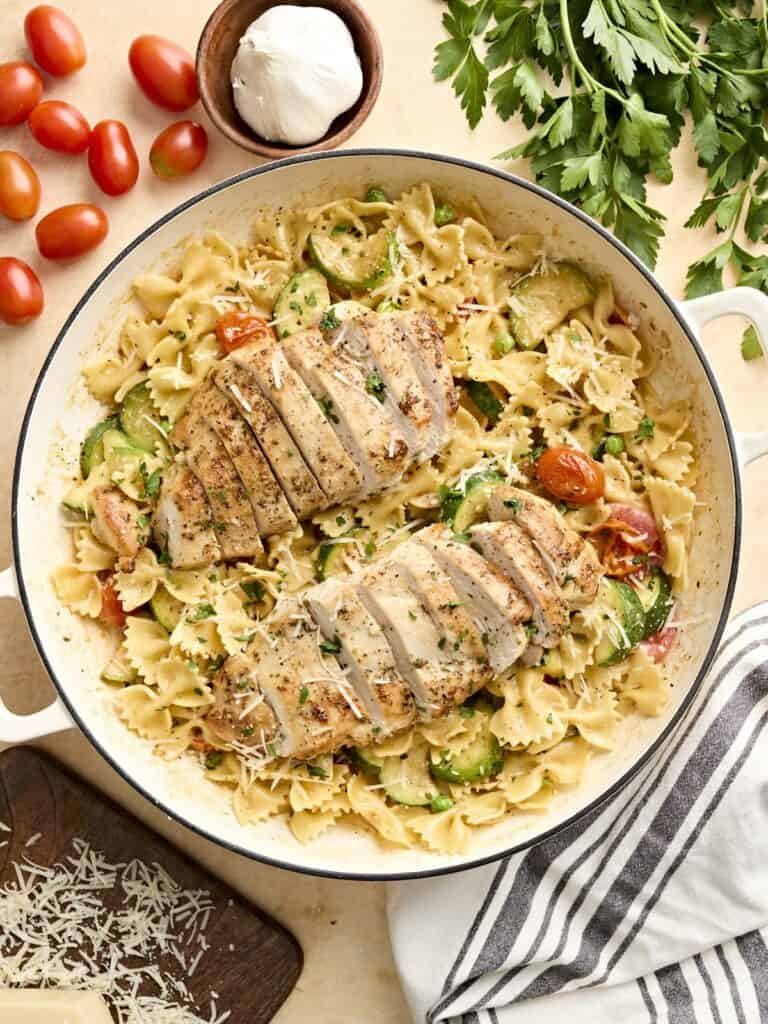
This recipe matters because it solves a common problem: pasta dishes often swing too far toward rich and heavy. Chicken primavera stays grounded. It’s colorful, practical, and adaptable to whatever vegetables are in season or already in your fridge. It’s also fast enough for a weeknight, but polished enough to serve to guests without apology.
Why This Recipe Works
This recipe works because it treats each component with intention. The chicken is seasoned and cooked separately so it stays juicy instead of steamed. The vegetables are added in stages, so nothing turns mushy or dull. The sauce is light and flexible, coating the pasta instead of drowning it.
People love chicken primavera because it feels reliable and customizable. You can adjust the vegetables, swap the pasta shape, or tweak the seasoning without breaking the recipe. It’s also a dish that appeals to a wide range of tastes — familiar, clean, and not polarizing.
Flavor and Texture You Can Expect
The flavor profile is fresh and savory with subtle richness. You’ll taste garlic and olive oil first, followed by the natural sweetness of the vegetables and the mild savoriness of the chicken. Parmesan adds depth without turning the dish heavy, and a squeeze of lemon keeps everything bright.
Texture is layered and balanced. The pasta is tender but structured, the chicken is juicy with lightly browned edges, and the vegetables are crisp-tender rather than soft. Every forkful gives contrast — nothing blends into a single note.
Ingredients
Chicken breast works well here because it cooks quickly and stays lean, keeping the dish light. Proper seasoning early on is important so the chicken doesn’t taste flat next to the vegetables. Pasta provides the backbone, and choosing a shape that holds sauce — like penne or fettuccine — makes a noticeable difference.
The vegetables are the heart of primavera. Bell peppers, zucchini, broccoli, and tomatoes bring color, sweetness, and texture. Garlic builds aroma, olive oil ties everything together, and Parmesan adds savory depth. Lemon juice at the end lifts the entire dish and prevents it from feeling oily or dull.
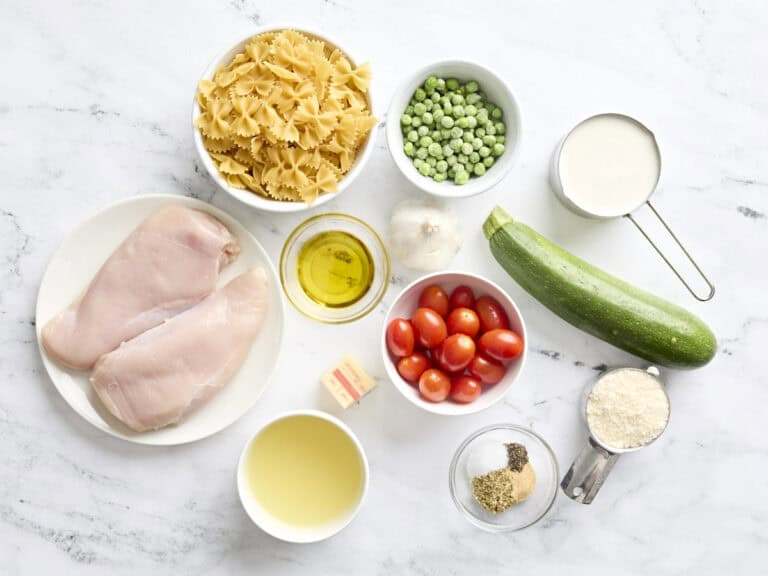
- 12 ounces pasta (penne, fettuccine, or rotini)
- 1 pound chicken breast, sliced into strips
- 2 tablespoons olive oil, divided
- 1 teaspoon kosher salt
- ½ teaspoon black pepper
- 3 cloves garlic, minced
- 1 cup broccoli florets
- 1 medium zucchini, sliced
- 1 red bell pepper, sliced
- 1 cup cherry tomatoes, halved
- ½ cup grated Parmesan cheese
- 2 tablespoons fresh lemon juice
- ¼ teaspoon red pepper flakes (optional)
How to Make Chicken Primavera Pasta
Step-by-Step Instructions
Step 1. Cook the Pasta
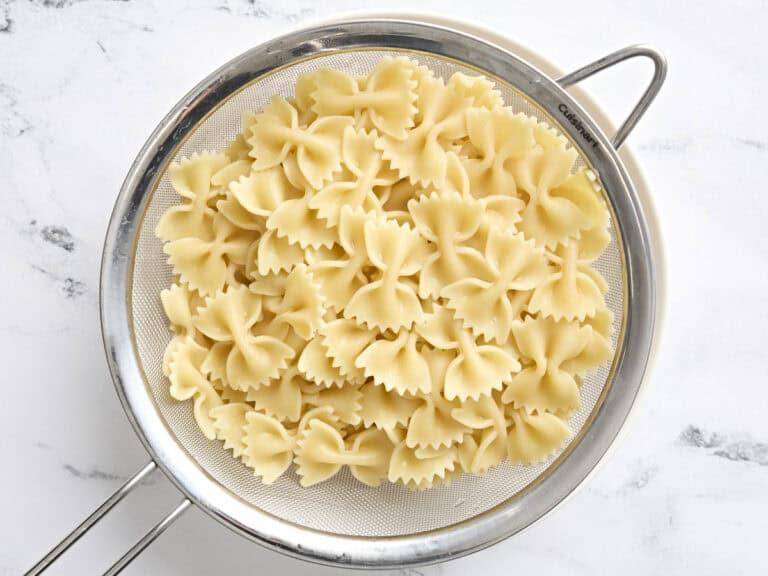
Bring a large pot of salted water to a boil. Cook pasta until al dente according to package instructions. Reserve ½ cup of pasta water, then drain.
Step 2. Cook the Chicken
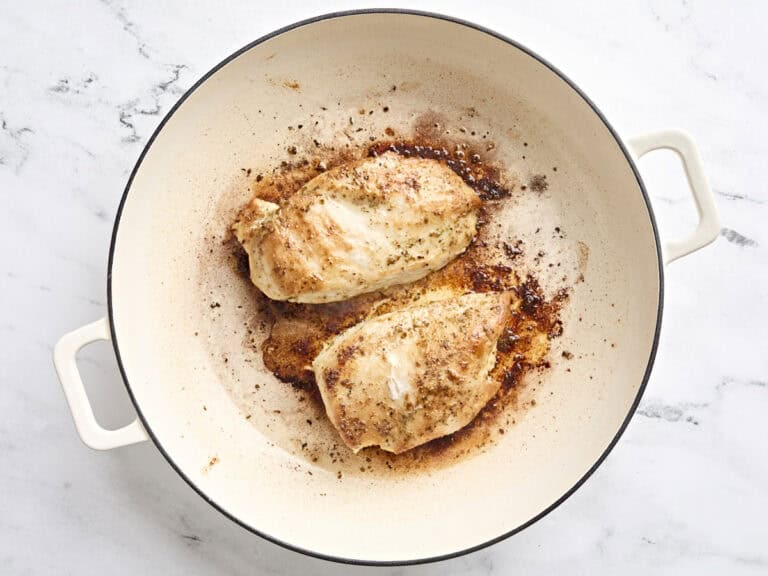
Season chicken with salt and black pepper. Heat 1 tablespoon olive oil in a large skillet over medium-high heat. Add chicken and cook until lightly browned and cooked through, about 4–5 minutes per side. Remove from skillet and set aside.
Step 3. Sauté the Vegetables
Add remaining olive oil to the same skillet. Add garlic and cook briefly until fragrant. Add broccoli, bell pepper, and zucchini. Cook for 4–5 minutes until crisp-tender.
Step 4. Add Tomatoes and Combine
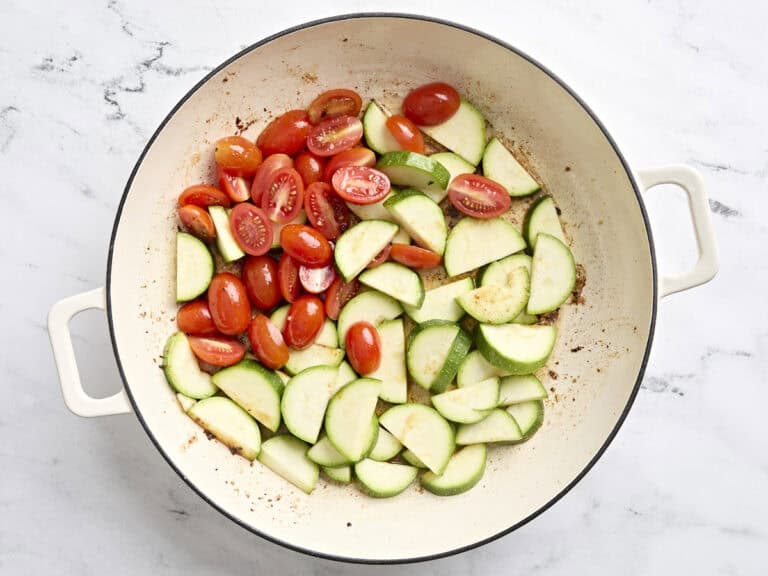
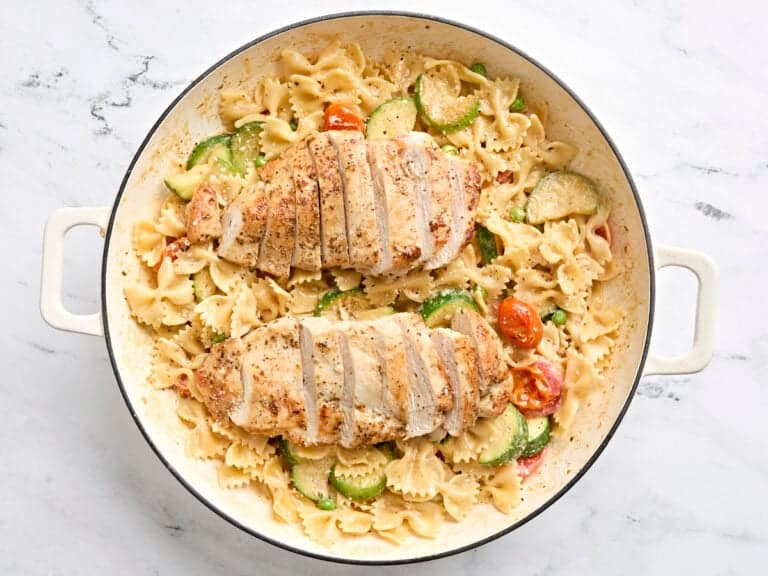
Stir in cherry tomatoes and cook for 1–2 minutes until just softened. Return chicken to the skillet.
Step 5. Build the Sauce
Add cooked pasta to the skillet along with a splash of reserved pasta water. Toss to combine, allowing the starch to lightly coat everything.
Step 6. Finish the Dish
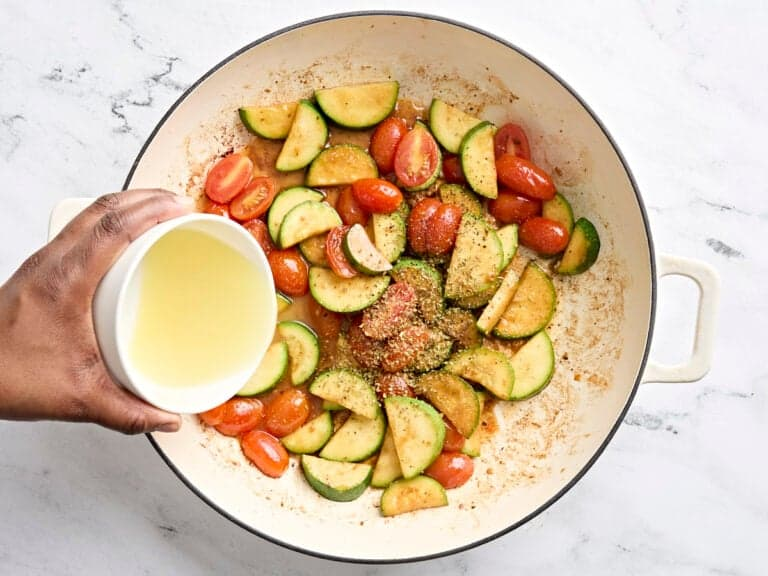
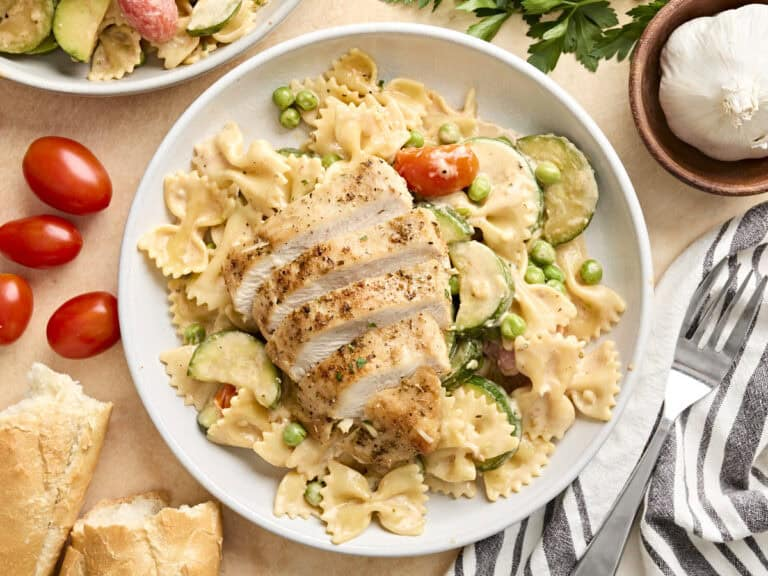
Remove from heat. Stir in Parmesan cheese, lemon juice, and red pepper flakes if using. Adjust seasoning as needed and serve immediately.
Best Vegetables for Primavera
Primavera is flexible by design. Broccoli, zucchini, bell peppers, asparagus, snap peas, and spinach all work well. The key is cooking density — harder vegetables go in first, tender ones last. Avoid overloading the pan, which leads to steaming instead of sautéing.
What to Serve With Chicken Primavera
This dish stands well on its own, but it pairs nicely with simple sides. A green salad with a light vinaigrette or garlic bread works without competing. Keep sides minimal — primavera is meant to feel fresh and complete on its own.
Common Mistakes to Avoid
Overcooking the vegetables is the most common issue. Primavera should be vibrant, not soft. Another mistake is skipping pasta water. That starch is what helps create a light sauce without cream. Finally, adding cheese over high heat can cause clumping instead of smooth integration.
FAQs
Can I use chicken thighs instead of breasts?
Yes. Thighs add richness but will make the dish slightly heavier.
Is this recipe creamy?
No. It’s lightly coated, not cream-based.
Can I make this ahead of time?
It’s best fresh, but leftovers keep well for up to two days.
Can I make it vegetarian?
Yes. Skip the chicken and add more vegetables or chickpeas.
Final Thoughts
Chicken primavera pasta is a reminder that pasta doesn’t need to be heavy to be satisfying. With thoughtful timing and fresh ingredients, it delivers balance, color, and flavor in a way that feels both comforting and responsible. It’s the kind of recipe you keep coming back to — not because it’s flashy, but because it consistently works.

Chicken Primavera Pasta
Ingredients
Equipment
Method
- Bring a large pot of salted water to a boil. Cook pasta until al dente. Reserve ½ cup pasta water, then drain.
- Season chicken with salt and black pepper. Heat 1 tablespoon olive oil in a large skillet over medium-high heat. Cook chicken until browned and cooked through. Remove and set aside.
- Add remaining olive oil to the skillet. Add garlic and cook briefly until fragrant. Add broccoli, bell pepper, and zucchini. Cook until crisp-tender.
- Stir in cherry tomatoes and cook just until softened. Return chicken to the skillet.
- Add cooked pasta and a splash of reserved pasta water. Toss gently to coat everything evenly.
- Remove from heat. Stir in Parmesan cheese, lemon juice, and red pepper flakes if using. Adjust seasoning and serve.
Video
Notes
- Cook vegetables in stages to avoid overcooking.
- Pasta water helps create a light, glossy sauce without cream.
- Best served immediately for optimal texture.
- Leftovers keep up to 2 days refrigerated.

