
Gluten Free Orange Chicken Sauce (Sweet, Sticky, and Restaurant-Style)

A good orange chicken dish lives or dies by the sauce. The chicken can be perfectly cooked, but without a balanced sauce, the dish falls flat. This gluten free orange chicken sauce delivers everything people expect from the classic takeout version—sweet citrus flavor, gentle tang, savory depth, and a glossy finish—without relying on wheat-based ingredients.
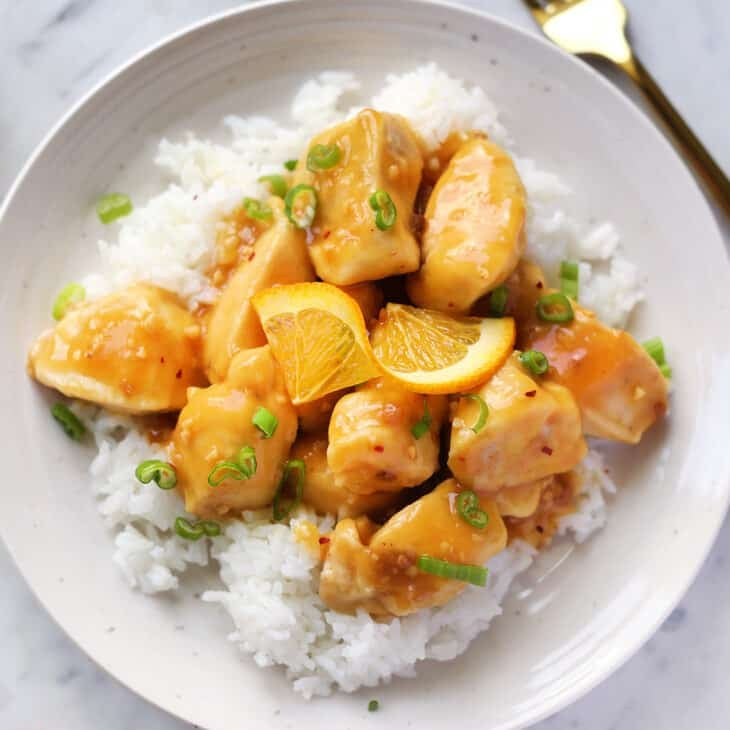
What makes this sauce special is its simplicity. It uses everyday ingredients, comes together quickly, and works with more than just chicken. Once you learn how to make it, you can use it across multiple meals without feeling like you’re repeating yourself.
Why Orange Chicken Sauce Is Naturally Gluten Free
Traditional orange chicken sauce doesn’t actually need flour. The thickness and shine come from reduction and a light cornstarch slurry, not wheat. Gluten usually sneaks in through soy sauce or bottled thickeners, not the sauce itself.
By using clearly labeled gluten free soy sauce or tamari and sticking to simple pantry ingredients, this sauce stays safe without tasting “modified.” The flavor remains bold, familiar, and balanced.
Flavor Balance Comes First
A strong orange sauce isn’t just sweet. It’s a balance of four elements working together:
- Citrus brightness from fresh orange juice
- Sweetness to soften acidity
- Savory depth from soy sauce
- Warm aromatics like garlic and ginger
When these components are cooked gently, the sauce develops complexity instead of tasting sharp or sugary. This balance is what separates a good orange chicken sauce from a forgettable one.
Ingredients
The ingredients in gluten free orange chicken sauce are simple, but each one has a specific job. Fresh orange juice provides natural citrus flavor that bottled juice can’t replicate. Sugar or honey balances acidity and gives the sauce its familiar sweetness. Gluten free soy sauce adds umami and depth, while rice vinegar sharpens the flavor without overpowering it. Garlic and ginger bring warmth and aroma, and a small cornstarch slurry creates the glossy, sticky texture that clings to food instead of running off.
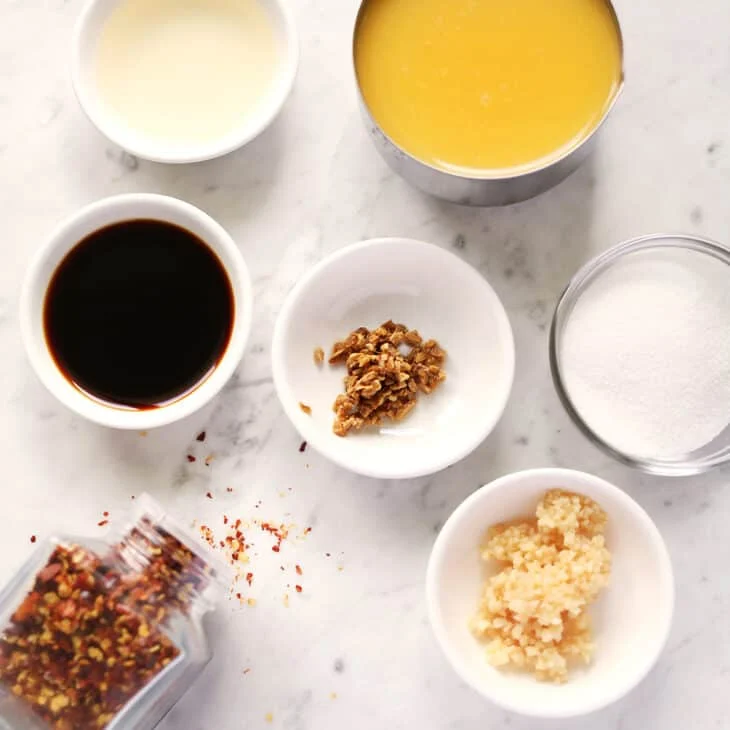
Using fresh, clearly labeled ingredients ensures both flavor quality and consistency every time you make the sauce.
Ingredients List
- ¾ cup fresh orange juice
- 2 tablespoons sugar or honey
- 2 tablespoons gluten free soy sauce or tamari
- 1 tablespoon rice vinegar
- 2 cloves garlic, minced
- 1 teaspoon fresh ginger, grated
- 1 teaspoon cornstarch
- 2 tablespoons water
Fresh Orange Juice Makes a Difference
Freshly squeezed orange juice gives the sauce a clean, vibrant flavor that bottled juice can’t match. Bottled juice often contains added sweeteners or concentrates that flatten the citrus profile.
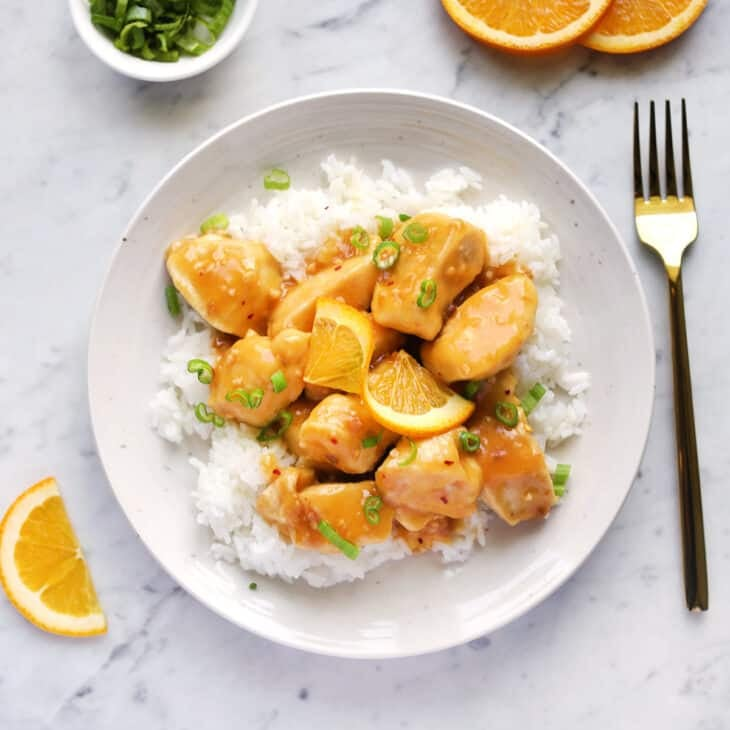
If fresh oranges aren’t available, use the highest-quality juice possible with no added sugar. The brighter the juice, the better the final sauce tastes.
How the Sauce Thickens Without Flour
This sauce thickens through a combination of gentle simmering and cornstarch slurry. The slurry is added at the end, once the sauce is already hot and well combined. This prevents clumping and allows you to control thickness precisely.
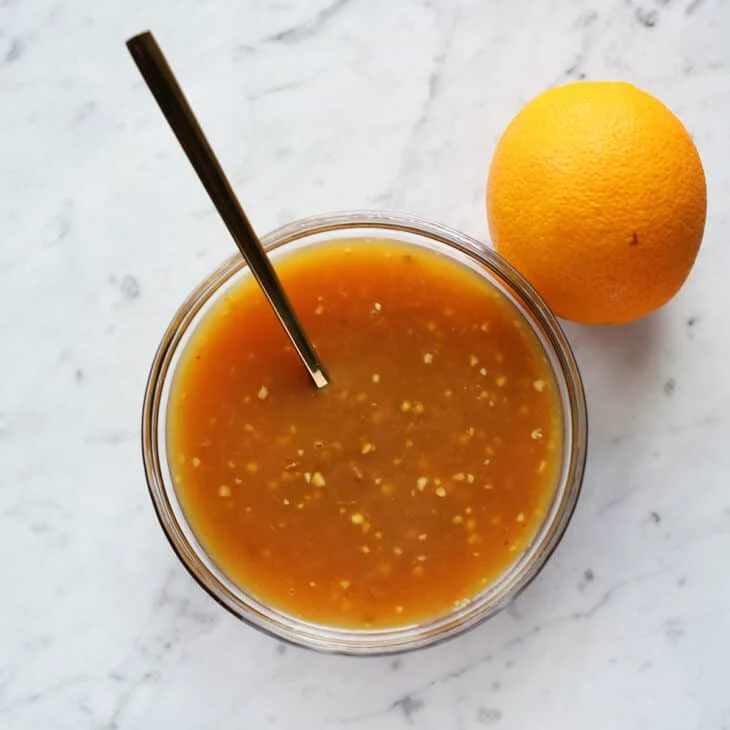
The goal is a sauce that coats the back of a spoon and clings to chicken, not a stiff glaze. Adding slurry gradually is key.
Cooking the Sauce Properly
Start by simmering the orange juice, sweetener, soy sauce, vinegar, garlic, and ginger together. This step mellows the citrus and allows flavors to blend. Once the sauce is fragrant and warm, the slurry is whisked in slowly.
After thickening, the heat should be reduced immediately. High heat can cause the sauce to become overly thick or lose its shine.
Using the Sauce With Chicken
For best results, chicken should be cooked separately and added to the sauce at the very end. This keeps the chicken crisp and prevents it from absorbing too much liquid.
Once added, the chicken should be tossed gently until evenly coated. The sauce should cling to the chicken without pooling in the pan.
More Than Just Chicken
This gluten free orange sauce is versatile and works well beyond orange chicken. It pairs beautifully with:
- Crispy tofu
- Shrimp or salmon
- Stir-fried vegetables
- Rice or noodle bowls
Once mastered, the sauce becomes a reliable base for multiple meals, not just one recipe.
Storage and Reheating
The sauce can be stored in an airtight container in the refrigerator for up to five days. As it cools, it will thicken slightly. When reheating, add a small splash of water or orange juice and warm gently.
Avoid reheating on high heat, which can affect texture and flavor.
Common Mistakes to Avoid
One of the most common mistakes is using too much cornstarch, which turns the sauce gummy. Another is assuming all soy sauce is gluten free—always check labels.
Skipping the simmering step is also a problem. Raw citrus flavor doesn’t mellow without heat, and the sauce will taste sharp instead of balanced.
Final Thoughts
Gluten free orange chicken sauce doesn’t need complicated substitutes or shortcuts. When made with fresh citrus, clean ingredients, and proper technique, it delivers bold, familiar flavor with a smooth, glossy finish.
This sauce proves that gluten free cooking can feel effortless and indulgent at the same time. Once you make it at home, it quickly becomes a staple you’ll return to again and again.
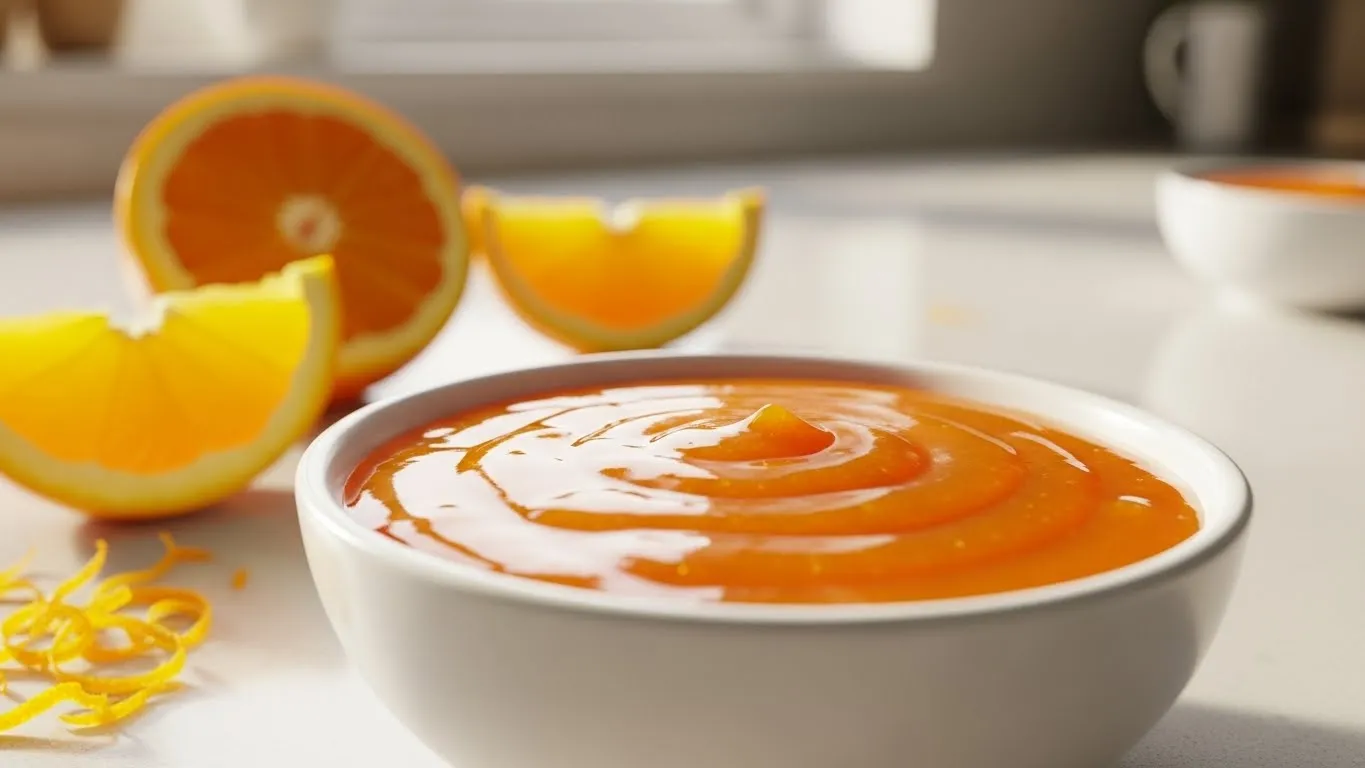

Gluten Free Orange Chicken Sauce
Ingredients
Equipment
Method
- Add orange juice, sugar (or honey), gluten-free soy sauce, rice vinegar, garlic, and ginger to a small saucepan.
- Place the saucepan over medium heat and bring the mixture to a gentle simmer, stirring occasionally.
- In a small bowl, whisk together cornstarch and water to form a smooth slurry.
- Slowly pour the slurry into the simmering sauce while whisking continuously.
- Reduce heat to low and cook for 1–2 minutes, until the sauce thickens and becomes glossy.
- Remove from heat and use immediately, or let cool slightly before storing.
Notes
- Fresh orange juice gives the best flavor
- Always confirm soy sauce is labeled gluten-free
- Add cornstarch slurry gradually to control thickness
- Sauce will thicken slightly as it cools

