
Gluten Free Blueberry Cookies (Soft, Balanced, and Naturally Comforting)

Gluten free blueberry cookies are the kind of bake that quietly surprises people. They don’t try to mimic traditional cookies through excess sugar or fat, and they don’t lean on novelty. Instead, they focus on texture, balance, and letting blueberries do what they do best when baked gently into soft dough.
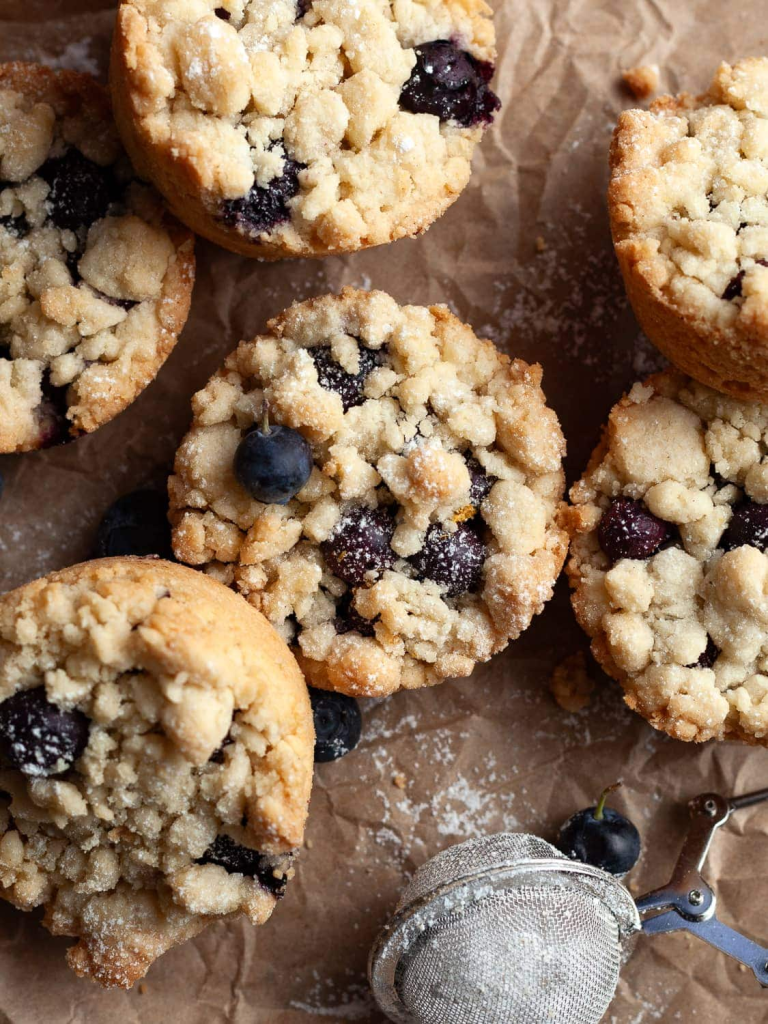
This recipe matters because gluten-free baking often goes wrong in two ways: cookies turn dry and crumbly, or they rely so heavily on add-ins that the base loses structure. These cookies avoid both problems. They’re tender without being fragile, lightly sweet without tasting artificial, and simple enough to make without specialty techniques.
Why This Recipe Works
This recipe works because it respects the limitations and strengths of gluten-free flour. Instead of forcing a chewy texture through overmixing or extra binders, it uses proper ratios and controlled moisture. The dough stays soft, and the cookies hold together without spreading into puddles or baking up dense.
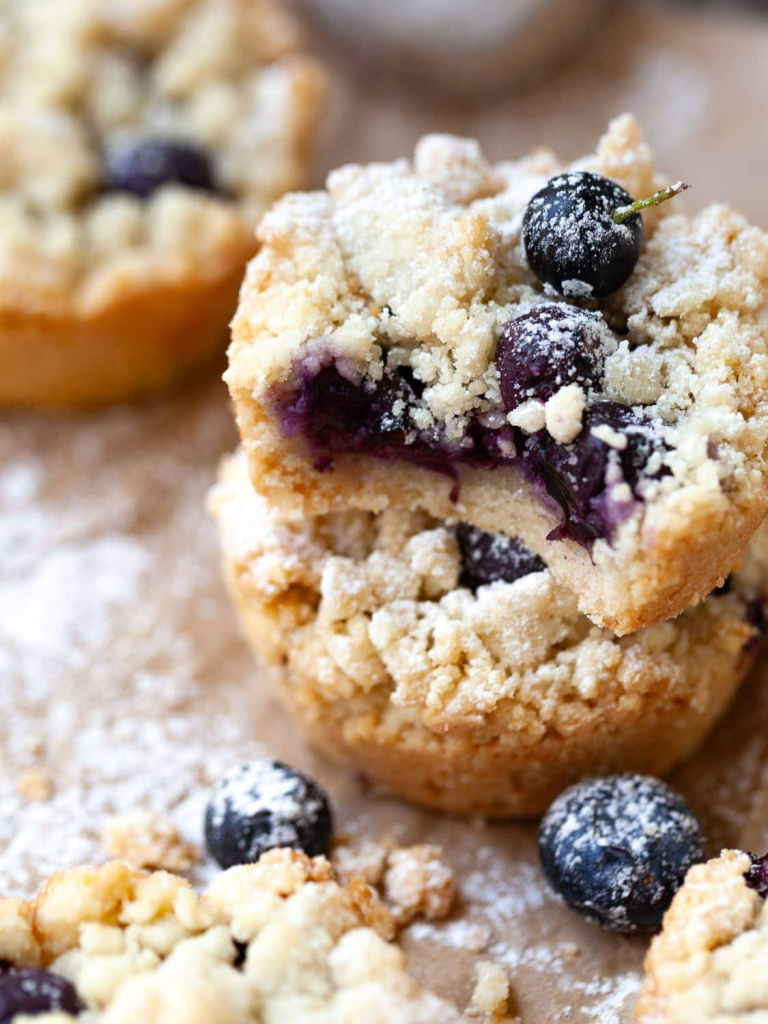
People love these cookies because they don’t feel like a compromise. Even those who don’t eat gluten-free regularly enjoy them for what they are: fruit-forward, lightly sweet cookies that feel homemade and calm rather than engineered. They’re especially appealing if you want something softer and less rich than chocolate-heavy cookies.
Flavor and Texture You Can Expect
The flavor is clean and gently sweet, with blueberries providing natural bursts of juiciness. You taste vanilla and butter first, followed by the fruit’s mild acidity, which keeps the cookies from feeling flat or sugary.
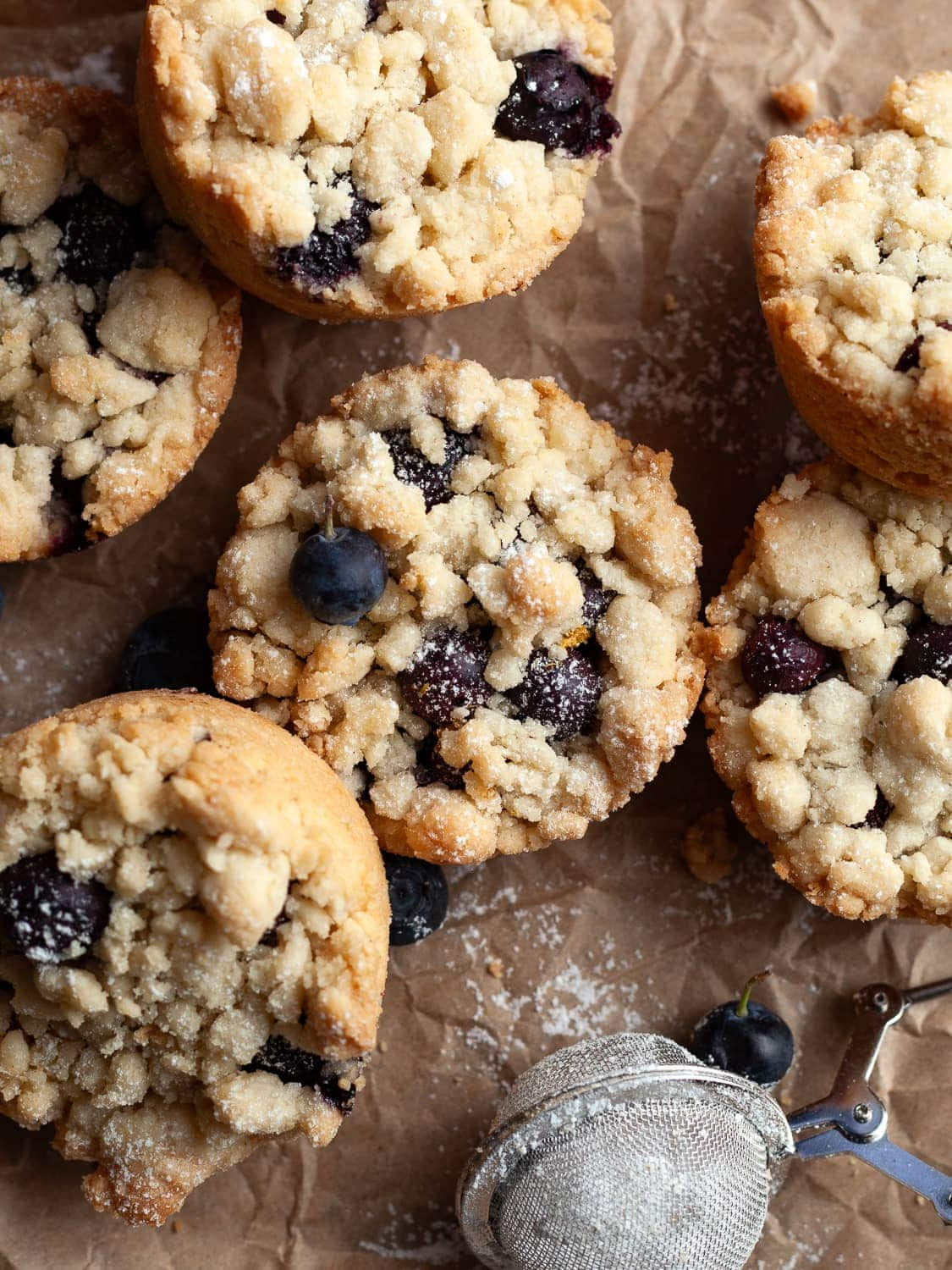
Texture is soft and slightly chewy at the center, with set edges that hold their shape. The blueberries create small pockets of moisture, so each bite feels fresh rather than dry. These are not crisp cookies, and they’re not meant to be. They’re tender, relaxed, and intentionally soft.
Ingredients
Gluten-free all-purpose flour provides structure, but it must include xanthan gum to prevent crumbling. Butter adds richness and helps with spread, while sugar balances the acidity of the blueberries without overpowering them. The egg binds everything together and contributes to the soft interior.
Blueberries are the defining ingredient, and how they’re handled matters. Tossing them lightly with cornstarch prevents excess moisture from bleeding into the dough and turning it purple or gummy. Vanilla adds warmth, and baking soda provides just enough lift without making the cookies cake-like.
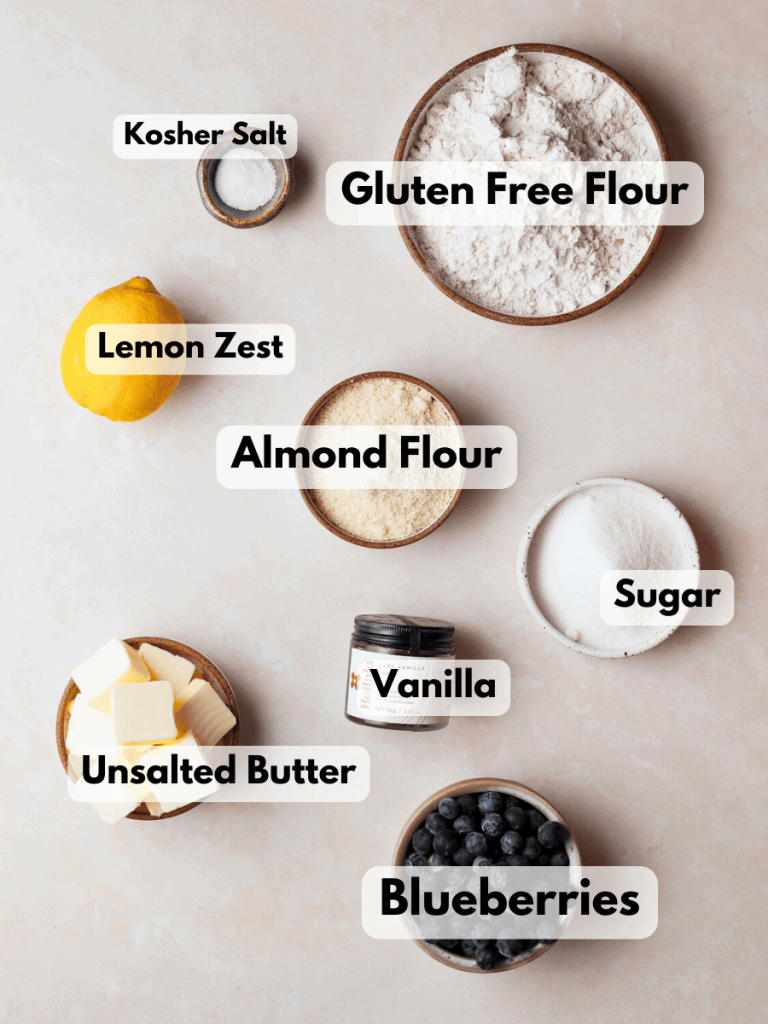
- Gluten-free all-purpose flour (with xanthan gum)
- Baking soda
- Salt
- Unsalted butter
- Granulated sugar
- Egg
- Vanilla extract
- Blueberries (fresh or frozen)
- Cornstarch
How to Make Gluten Free Blueberry Cookies
Step-by-Step Instructions
Step 1. Prepare the Oven and Pan
Preheat the oven to 350°F and line a baking sheet with parchment paper. This prevents sticking and helps the cookies bake evenly.
Step 2. Mix the Dry Ingredients
Whisk together the gluten-free flour, baking soda, and salt in a bowl. Mixing these first ensures even distribution and prevents uneven rise.
Step 3. Cream the Butter and Sugar
In a separate bowl, beat the butter and sugar until smooth and cohesive. You’re not looking for excessive fluffiness, just a uniform mixture.
Step 4. Add Egg and Vanilla
Mix in the egg and vanilla until fully incorporated. The dough should look smooth and slightly glossy.
Step 5. Combine Wet and Dry Ingredients
Gradually add the dry mixture to the wet ingredients, mixing just until a soft dough forms. Overmixing can lead to dense cookies.
Step 6. Prepare the Blueberries
Toss the blueberries lightly with cornstarch, then gently fold them into the dough. Use a light hand to avoid crushing them.
Step 7. Shape and Bake
Scoop dough onto the prepared baking sheet, spacing cookies apart. Bake for 12–14 minutes, until the edges are set and the centers still look slightly soft.
Step 8. Cool Properly
Let the cookies cool on the baking sheet for several minutes before transferring. This helps them set without breaking.
Fresh vs Frozen Blueberries
Both work, but they behave differently. Fresh blueberries hold their shape and release less moisture, making them easier to work with. Frozen blueberries are convenient but should be added straight from the freezer to avoid bleeding and excess liquid. Expect slightly more streaking in the dough if using frozen fruit.
Storage and Make-Ahead Tips
These cookies are best within the first 24 hours, when the texture is at its softest. Store them in an airtight container at room temperature for up to three days. For longer storage, freeze baked cookies and thaw at room temperature. Avoid refrigerating the dough, as gluten-free dough tends to firm up too much when chilled.
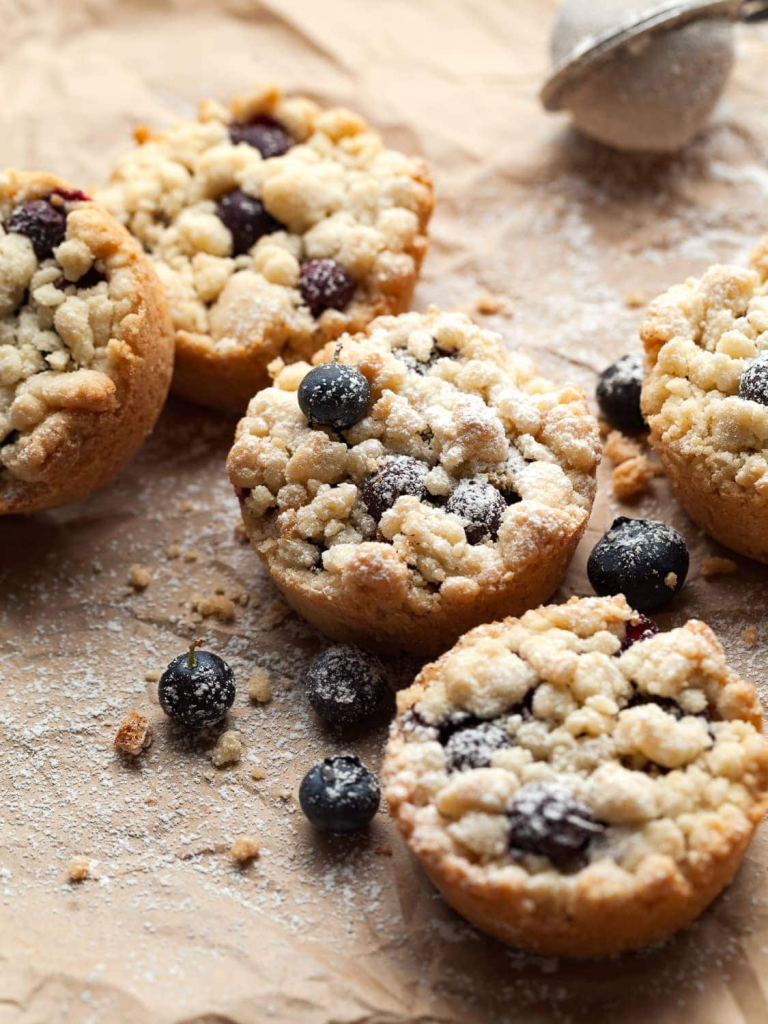
Common Mistakes to Avoid
Using a flour blend without xanthan gum is the most common mistake and leads to crumbly cookies. Another issue is overbaking — gluten-free cookies firm up significantly as they cool, so pulling them early is essential.
Overmixing after adding blueberries can also break the fruit and discolor the dough, which affects both texture and appearance.
FAQs
Do these cookies taste gluten-free?
No. They taste like soft fruit cookies, not a substitute.
Can I use almond flour instead?
No. Almond flour behaves very differently and requires a separate recipe.
Can I reduce the sugar?
Slightly, but reducing too much affects texture and spread.
Why are my cookies fragile?
Most likely the flour blend lacked xanthan gum or the cookies were moved before cooling.

Gluten Free Blueberry Cookies
Ingredients
Equipment
Method
- Step 1. Prep the Oven and Pan
- Preheat oven to 350°F. Line a baking sheet with parchment paper.
- Step 2. Mix Dry Ingredients
- In a bowl, whisk together gluten-free flour, baking soda, and salt.
- Step 3. Cream Butter and Sugar
- In a separate bowl, beat butter and sugar until light and smooth. Add egg and vanilla, mixing until combined.
- Step 4. Combine the Dough
- Gradually mix dry ingredients into the wet ingredients until a soft dough forms.
- Step 5. Prepare the Blueberries
- Toss blueberries with cornstarch to prevent excess moisture, then gently fold into the dough.
- Step 6. Shape the Cookies
- Scoop dough onto the prepared baking sheet, spacing cookies about 2 inches apart.
- Step 7. Bake
- Bake for 12–14 minutes until edges are set and centers look slightly soft.
- Step 8. Cool
- Let cookies cool on the baking sheet for 5 minutes, then transfer to a wire rack.
Video
Notes
- Fresh blueberries hold their shape best, but frozen work if not thawed.
- Do not overmix after adding blueberries to avoid streaking.
- Cookies will firm up as they cool.
- Store in an airtight container up to 3 days.

