
Buckwheat Pancakes Recipe (Hearty, Naturally Nutty, and Comforting Without Being Heavy)

Buckwheat pancakes are one of those recipes that feel quietly grounding. They don’t chase fluffiness for the sake of it, and they don’t rely on excess sugar or toppings to taste good. Instead, they bring depth, warmth, and a subtle nuttiness that makes breakfast feel more intentional.
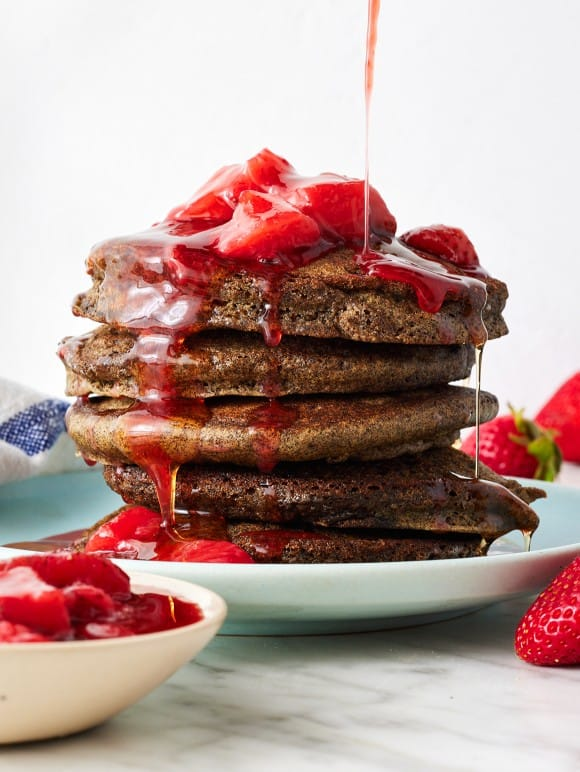
This recipe matters because buckwheat is often misunderstood. Despite the name, it’s not wheat, and it behaves differently than standard flour. When handled correctly, it produces pancakes that are tender yet structured, satisfying without being dense, and flavorful enough to stand on their own. These are pancakes you make when you want something real on the plate, not just a vehicle for syrup.
Why This Recipe Works
This recipe works because it respects buckwheat’s personality instead of fighting it. Buckwheat flour has a stronger flavor and absorbs liquid differently than all-purpose flour. The batter here is balanced to hydrate the flour properly, which prevents dryness and bitterness.
People love buckwheat pancakes because they feel nourishing without feeling restrictive. They’re filling, naturally gluten-free when made with pure buckwheat flour, and versatile enough to work with both sweet and savory toppings. They’re also dependable — no fragile texture, no falling apart on the griddle.
Flavor and Texture You Can Expect
The flavor is warm, earthy, and lightly nutty with a mild sweetness. Buckwheat has a natural depth that tastes almost toasted, even before the pancakes hit the pan. Vanilla and a touch of sugar soften that edge without masking it.
Texture-wise, these pancakes are tender inside with lightly crisp edges. They’re not airy like diner pancakes, and that’s the point. They hold their shape, soak up toppings without collapsing, and feel substantial in a way that keeps you satisfied longer.
Ingredients
Buckwheat flour is the foundation and should be fresh for best flavor. Older flour can taste bitter, so quality matters here more than in standard pancake recipes. Baking powder provides lift, while a small amount of salt sharpens the flavor.
Milk hydrates the flour and softens the crumb. Eggs bind everything together and add structure, preventing the pancakes from crumbling. Butter or oil adds richness and helps with browning. A modest amount of sugar balances the buckwheat without turning the pancakes sweet.
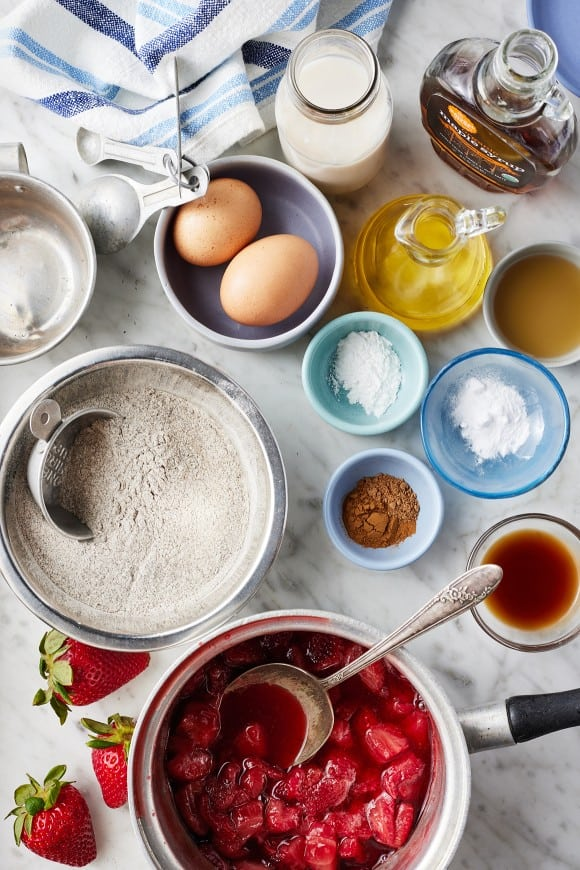
- Buckwheat flour
- Baking powder
- Salt
- Granulated sugar
- Milk (dairy or unsweetened non-dairy)
- Eggs
- Melted butter or neutral oil
- Vanilla extract
How to Make Buckwheat Pancakes Recipe
Step-by-Step Instructions
Step 1. Mix the Dry Ingredients
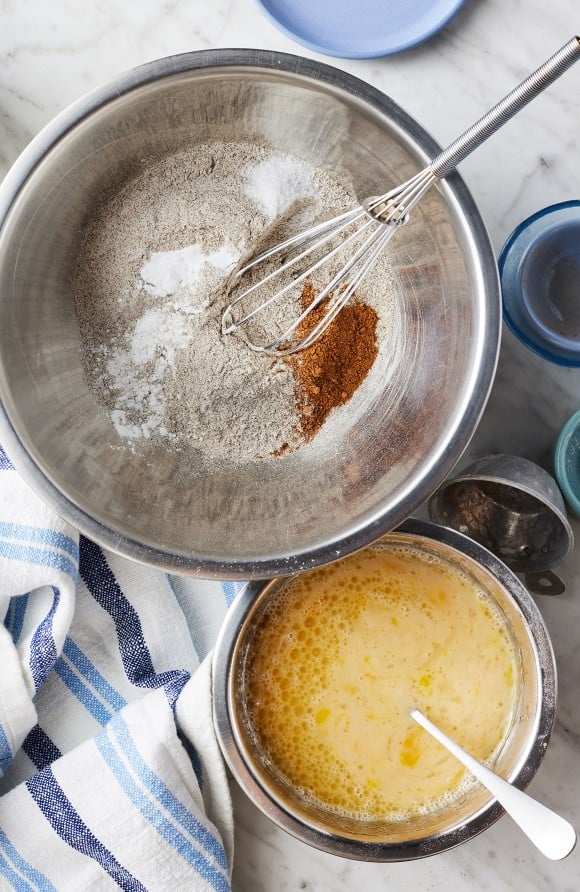
In a bowl, whisk together buckwheat flour, baking powder, salt, and sugar. This ensures even leavening and balanced flavor.
Step 2. Combine the Wet Ingredients
In a separate bowl, whisk milk, eggs, melted butter or oil, and vanilla until smooth.
Step 3. Build the Batter
Pour the wet ingredients into the dry ingredients and stir gently until just combined. The batter should be slightly thick and cohesive, not runny. Let it rest for 5 minutes to fully hydrate the flour.
Step 4. Heat the Pan
Preheat a nonstick skillet or griddle over medium heat and lightly grease it. The surface should be hot enough that a drop of water sizzles gently.
Step 5. Cook the Pancakes
Pour batter onto the skillet. Cook until bubbles form on the surface and the edges look set, then flip and cook until golden on the second side.
Step 6. Serve Warm
Transfer pancakes to a plate and serve immediately, or keep warm while cooking the remaining batter.
Sweet and Savory Serving Ideas
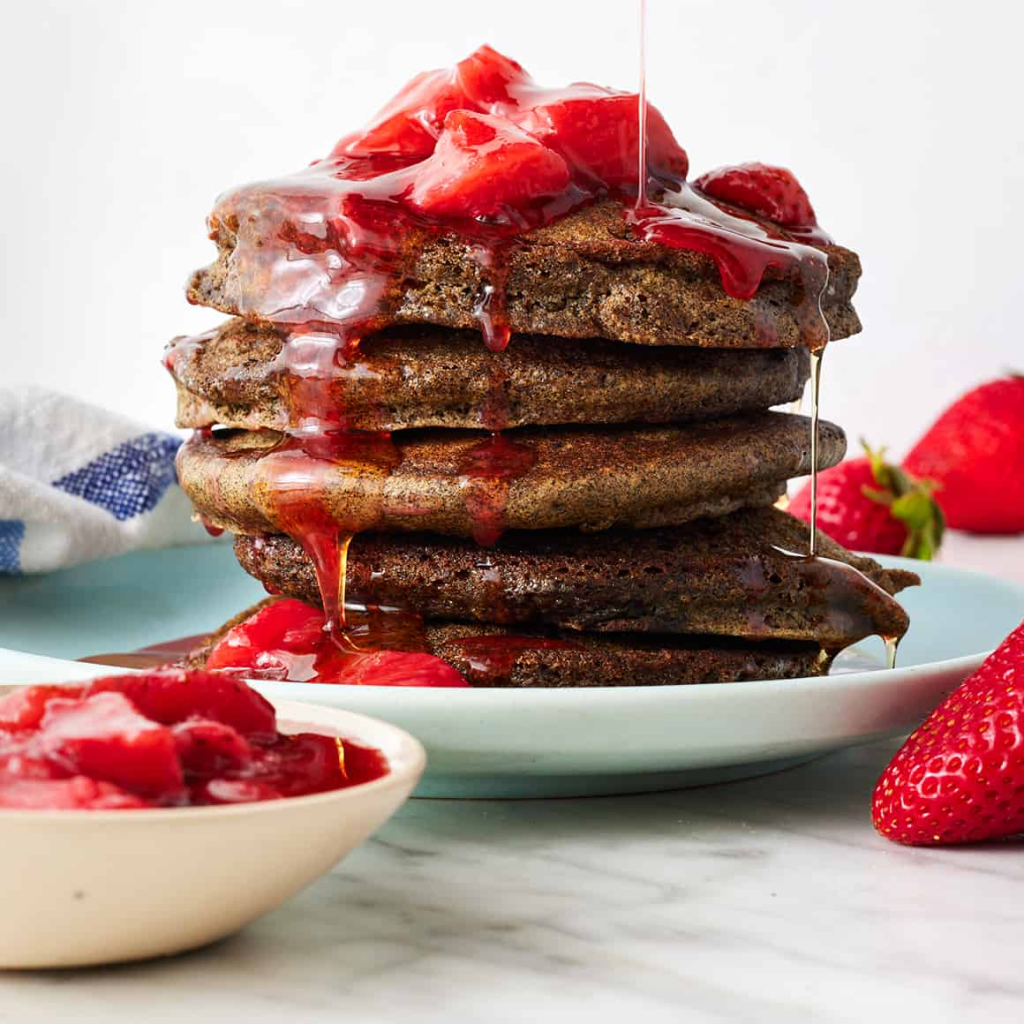
Buckwheat pancakes work well with classic toppings like butter and maple syrup, but they also shine in savory settings. Try them with yogurt and fruit, nut butter and honey, or even eggs and smoked salmon. Their structure makes them versatile without falling apart.
Milk Options That Work Best
Dairy milk provides the richest texture, but unsweetened almond or oat milk work well for a lighter result. Avoid heavily sweetened or flavored milks, which can overpower the buckwheat’s natural flavor.
Common Mistakes to Avoid
Overmixing is the most common issue. Buckwheat batter should be mixed just until combined. Another mistake is cooking over high heat — buckwheat browns faster than wheat flour and can burn before the inside cooks through.
Skipping the batter rest can also lead to gritty texture. A short rest makes a noticeable difference.
FAQs
Are buckwheat pancakes gluten-free?
Yes, as long as you use pure buckwheat flour without cross-contamination.
Do they taste like regular pancakes?
No. They’re more earthy and less sweet, which many people prefer.
Can I make the batter ahead of time?
It’s best used fresh, but it can rest up to 30 minutes before cooking.
Why are my pancakes bitter?
The flour may be old or overheated during cooking.

Buckwheat Pancakes Recipe
Ingredients
Equipment
Method
- In a bowl, whisk together buckwheat flour, baking powder, salt, and sugar.
- In a separate bowl, whisk milk, eggs, melted butter, and vanilla until smooth.
- Pour the wet ingredients into the dry ingredients and stir gently until just combined. Let the batter rest for 5 minutes.
- Heat a lightly greased skillet or griddle over medium heat until warm.
- Pour batter onto the pan. Cook until bubbles form on the surface and edges look set, then flip and cook until golden.
- Remove from the pan and serve warm. Repeat with remaining batter.
Video
Notes
- Do not overmix the batter; buckwheat pancakes should be gently combined.
- Letting the batter rest improves texture.
- Cook over medium heat to prevent burning.
- Use fresh buckwheat flour to avoid bitterness.

