
Cottage Cheese Pancakes (Soft, Protein-Rich, and Naturally Satisfying)

Cottage cheese pancakes are one of those recipes that quietly outperform expectations. They don’t rely on syrup-heavy sweetness or fluffy theatrics. Instead, they deliver something more useful: real nourishment, gentle richness, and a texture that feels comforting without being heavy. These are pancakes you make when you want breakfast to actually hold you over.
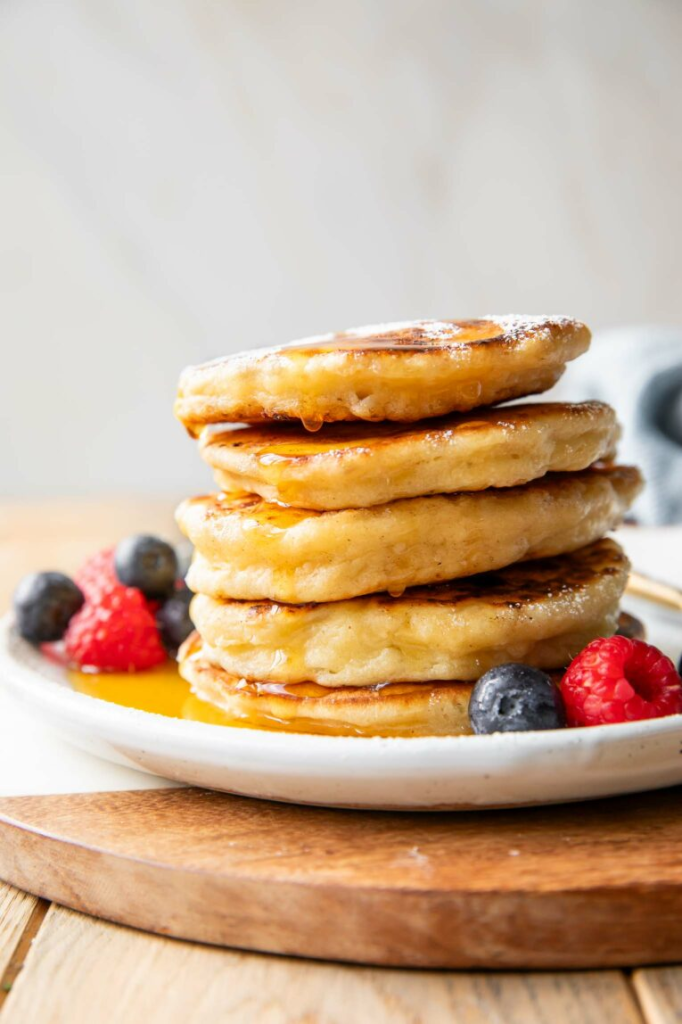
This recipe matters because cottage cheese is often misunderstood in cooking. Used correctly, it doesn’t make pancakes wet or lumpy — it makes them tender, moist, and balanced. The result is a pancake that feels substantial, lightly creamy inside, and far more satisfying than standard flour-and-sugar versions.
Why This Recipe Works
This recipe works because it treats cottage cheese as an ingredient, not a gimmick. Blending or breaking it down properly allows it to melt into the batter, adding moisture and protein without dominating flavor or texture. Eggs provide structure, flour gives stability, and the leavening is kept controlled so the pancakes rise without becoming airy or fragile.
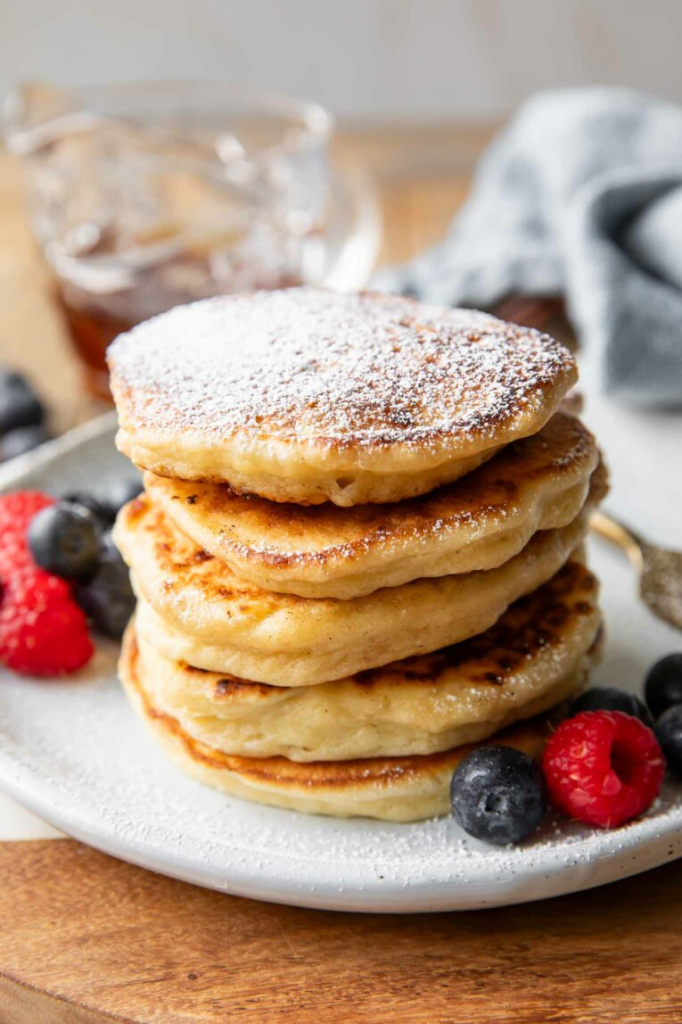
People love cottage cheese pancakes because they strike a rare balance. They’re filling but not dense, soft but not soggy, and mild enough to pair with both sweet and savory toppings. They also reheat well, which makes them practical beyond the first serving.
Flavor and Texture You Can Expect
The flavor is mild, lightly tangy, and gently savory-sweet. Cottage cheese adds depth rather than a strong dairy note, especially when combined with vanilla or a touch of sugar. These pancakes don’t taste like cheese they taste clean and balanced.
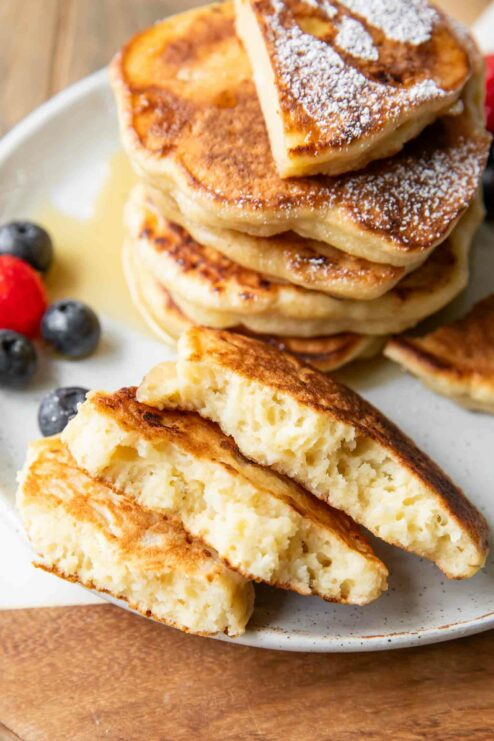
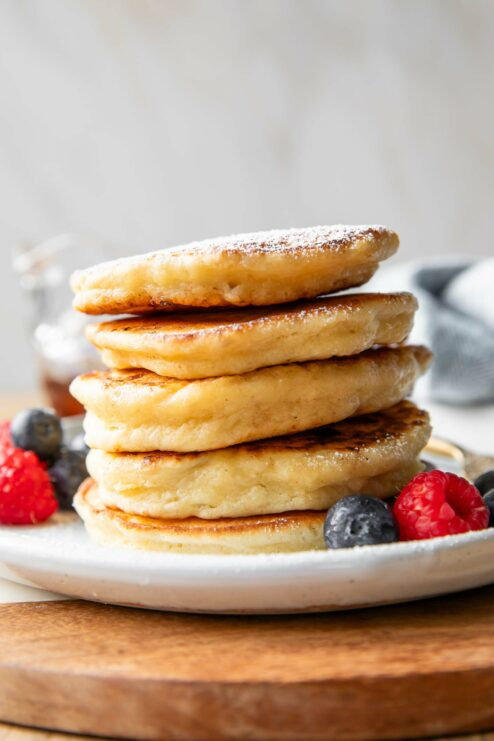
Texture is where they shine. The interior is soft and moist, almost custardy, while the outside cooks into a lightly golden surface. They’re thicker than crepes but not fluffy like diner pancakes. Every bite feels steady and satisfying.
Ingredients
Cottage cheese is the backbone here. Full-fat or low-fat both work, but it should be well-drained to avoid excess moisture. Eggs bind the batter and add richness. Flour provides structure so the pancakes don’t fall apart, while baking powder gives controlled lift.
Milk is optional and used only to adjust batter thickness. Butter or oil helps with browning and flavor. Sugar is minimal and optional, depending on how you plan to serve them. Salt is essential to balance the dairy.
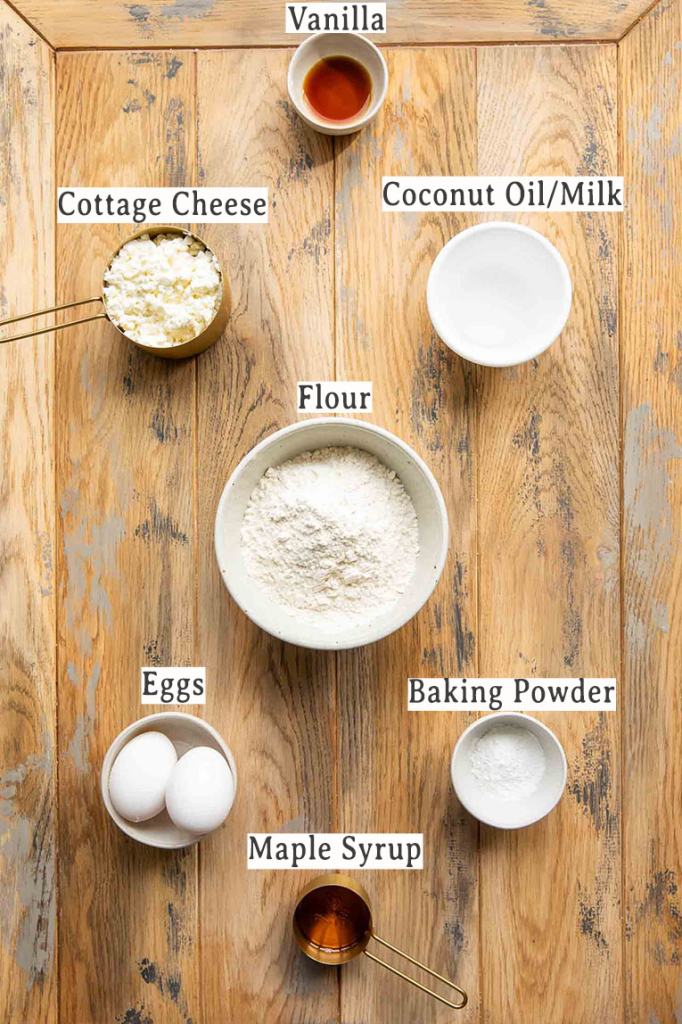
- Cottage cheese
- Large eggs
- All-purpose flour
- Baking powder
- Salt
- Sugar (optional)
- Milk (as needed)
- Butter or oil, for cooking
- Vanilla extract (optional)
How to Make Cottage Cheese Pancakes
Step-by-Step Instructions
Step 1. Prepare the Cottage Cheese
If the curds are large, blend the cottage cheese briefly or mash it until mostly smooth. This ensures a uniform batter.
Step 2. Mix the Wet Ingredients
In a bowl, whisk together cottage cheese, eggs, and vanilla if using until combined.
Step 3. Add the Dry Ingredients
Stir in flour, baking powder, salt, and sugar if using. Mix gently just until combined. Add a small amount of milk if the batter feels too thick.
Step 4. Rest the Batter
Let the batter rest for 5 minutes. This allows the flour to hydrate and improves texture.
Step 5. Heat the Pan
Preheat a nonstick skillet over medium heat and lightly grease it with butter or oil.
Step 6. Cook the Pancakes
Scoop batter onto the pan. Cook until bubbles form and the edges look set, then flip and cook until golden and cooked through.
Step 7. Serve Warm
Remove from the pan and serve immediately, or keep warm while finishing the batch.
Sweet and Savory Serving Ideas
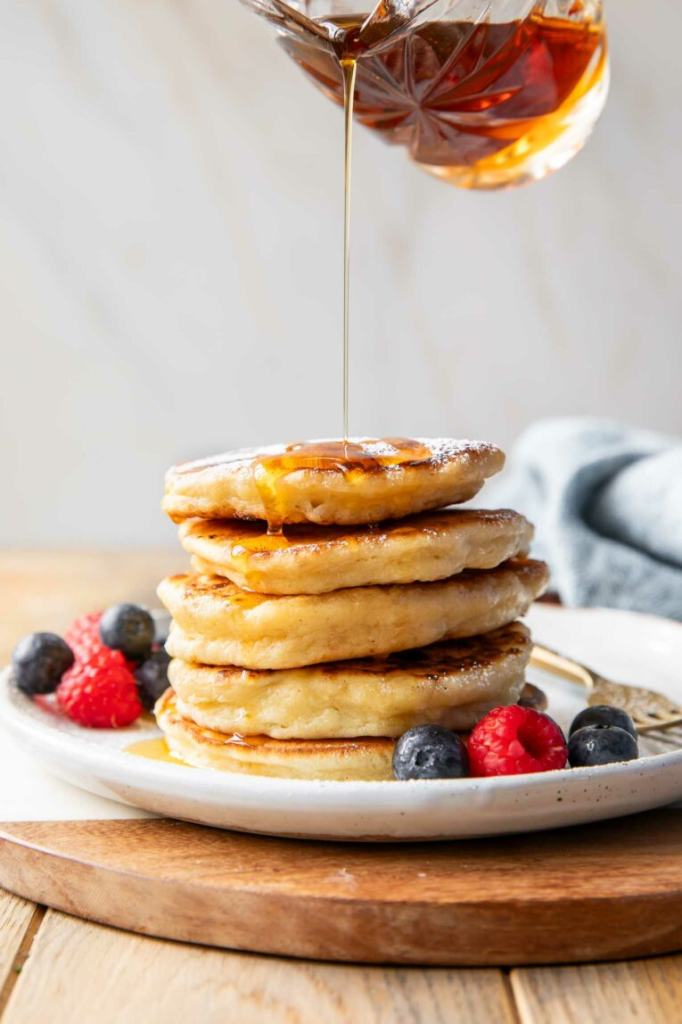
These pancakes are flexible. Serve them with fruit and a drizzle of honey or maple syrup for a sweet option. For savory, pair them with smoked salmon, eggs, or a dollop of yogurt. Because the flavor is mild, they adapt easily without clashing.
Best Cottage Cheese to Use
Small-curd cottage cheese blends more smoothly, but large-curd works if blended. Avoid watery cottage cheese — excess liquid will thin the batter and prevent proper browning. Draining briefly in a sieve makes a noticeable difference.
Common Mistakes to Avoid
Skipping the blending or mashing step can leave noticeable curds, which affects texture. Cooking over high heat is another mistake — these pancakes need moderate heat to cook through without burning.
Overmixing the batter leads to toughness. Gentle mixing is enough.
FAQs
Do these pancakes taste like cottage cheese?
No. The flavor is mild and neutral.
Can I make them gluten-free?
Yes, with a 1:1 gluten-free flour blend.
Are these high in protein?
Yes. Cottage cheese and eggs add significant protein.
Can I make the batter ahead of time?
It’s best fresh, but it can rest for up to 30 minutes.

Cottage Cheese Pancakes
Ingredients
Equipment
Method
- Blend or mash the cottage cheese until mostly smooth to ensure an even batter.
- In a bowl, whisk together cottage cheese, eggs, and vanilla if using.
- Stir in flour, baking powder, salt, and sugar if using. Mix gently just until combined.
- Add milk a little at a time if needed to reach a thick but pourable consistency.
- Let the batter rest for 5 minutes to improve texture.
- Preheat a lightly greased skillet or griddle over medium heat.
- Scoop batter onto the pan. Cook until bubbles form and edges are set, then flip and cook until golden.
- Remove from the pan and serve warm. Repeat with remaining batter.
Video
Notes
- Drain cottage cheese well to avoid watery batter.
- Cook over medium heat to ensure pancakes cook through.
- Batter thickens slightly as it rests.
- Reheat gently in a skillet or toaster oven.

