
Egg Recipe for Breakfast (Simple, Filling & Built for Everyday Mornings)

Eggs have earned their place as one of the most reliable breakfast staples for a reason. They’re quick to cook, naturally high in protein, and flexible enough to match almost any morning routine. Whether you’re rushing out the door or sitting down for a calm breakfast, a well-made egg recipe can be both comforting and energizing.
This breakfast egg recipe focuses on balance. It’s not just about scrambling eggs and calling it a day—it’s about texture, seasoning, and small choices that turn a basic breakfast into something you actually look forward to eating. The result is a simple but satisfying dish that works for daily mornings without feeling repetitive.
Why Eggs Are One of the Best Breakfast Choices
Eggs provide a rare combination of nutrition and convenience. They’re rich in protein, contain healthy fats, and help keep you full longer than many carb-heavy breakfasts. From a cooking perspective, they’re also forgiving—small changes in ingredients or technique create completely different results.
What makes eggs especially valuable in breakfast cooking is their adaptability. They pair well with vegetables, cheese, herbs, and even leftovers from dinner. That flexibility allows one base recipe to support dozens of variations without losing its core appeal.
Understanding Texture Before You Start Cooking
Texture is the difference between eggs that feel comforting and eggs that feel rushed. Overcooked eggs become dry and rubbery, while gently cooked eggs stay soft and rich. The goal is to let the eggs cook slowly enough that they set without losing moisture.
Controlling heat is more important than adding extra ingredients. Medium-low heat gives you better results than high heat every time. Taking an extra minute to cook eggs properly improves flavor and makes even a simple breakfast feel intentional.
Ingredients: Simple Items That Work Together
This breakfast egg recipe uses everyday ingredients, but each one plays a role. Eggs form the base, while milk or butter adds softness. Salt enhances natural flavor, and optional add-ins bring texture and variety without overwhelming the dish.
Understanding why each ingredient is used makes it easier to adjust the recipe later. You’re not just following steps—you’re building a breakfast that fits your taste and schedule.
Ingredients List
- 3 large eggs
- 1 tablespoon milk or cream (optional, for softness)
- 1 tablespoon butter or olive oil
- Salt, to taste
- Black pepper, to taste
- Optional add-ins: chopped vegetables, cheese, herbs
Preparing the Eggs the Right Way
Before the pan ever heats up, preparation matters. Whisking the eggs thoroughly breaks down the whites and yolks evenly, which leads to a smoother texture once cooked. Adding milk or cream at this stage softens the eggs and helps prevent dryness.
Seasoning early allows the salt to distribute evenly throughout the eggs instead of sitting on the surface. This small step improves overall flavor without requiring extra seasoning later.
Cooking Eggs Without Rushing Them
Heat the pan over medium-low heat and melt the butter gently. When the butter foams but doesn’t brown, the pan is ready. Pour in the eggs and let them sit for a few seconds before stirring.
Slow, gentle stirring keeps the eggs soft. Pulling the eggs across the pan rather than aggressively stirring helps create tender curds. Removing the eggs from heat while they’re slightly underdone allows residual heat to finish the cooking process without overcooking.
How Add-Ins Change the Breakfast Experience
Add-ins should enhance eggs, not overpower them. Vegetables like spinach, onions, or bell peppers add freshness and texture, while cheese adds richness. These should be cooked lightly before adding eggs so they don’t release moisture into the pan.
Herbs such as parsley or chives brighten the dish, especially when added at the end. The key is restraint—too many add-ins can weigh the eggs down and distract from their natural flavor.
Serving Ideas That Make Breakfast Feel Complete
Eggs can stand alone, but they shine even more when paired thoughtfully. Toast, breakfast potatoes, or fresh fruit round out the plate without requiring much extra effort. For lighter mornings, eggs with vegetables may be enough on their own.
Presentation matters more than people think. Serving eggs immediately, while they’re still soft and warm, improves both texture and flavor. Even a simple plate can feel satisfying when timing is right.
Make-Ahead Tips for Busy Mornings
While eggs are best fresh, parts of this recipe can be prepped ahead. Vegetables can be chopped in advance, and add-ins can be cooked and stored separately. This reduces cooking time on busy mornings without sacrificing quality.
If reheating eggs, use low heat and avoid the microwave when possible. Gentle reheating keeps them from drying out and preserves texture better.
Common Egg Mistakes and How to Avoid Them
The most common mistake is cooking eggs too hot. High heat cooks eggs quickly but drives out moisture, leading to dryness. Another issue is over-seasoning late, which can create uneven flavor.
Skipping fat entirely is also a mistake. A small amount of butter or oil improves texture and prevents sticking. Eggs don’t need much—but they do need some.
Final Thoughts
A good egg recipe for breakfast doesn’t rely on complicated steps or expensive ingredients. It relies on attention—gentle heat, simple seasoning, and thoughtful timing. When cooked properly, eggs deliver comfort, nutrition, and satisfaction in a way few breakfasts can match.
This recipe isn’t about reinventing eggs. It’s about doing them right, every time, in a way that fits real mornings and real schedules. Once you master this approach, eggs stop feeling basic and start feeling dependable.
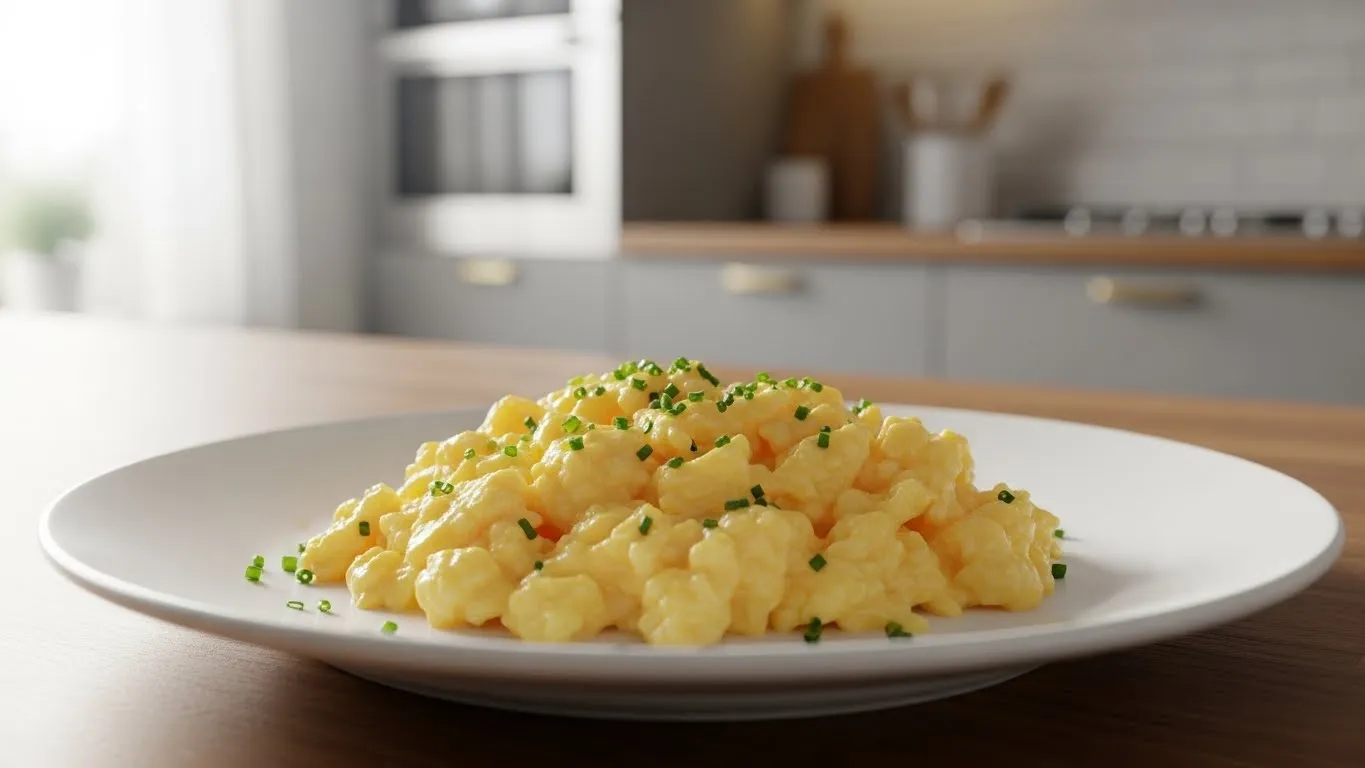

Egg Recipe for Breakfast
Ingredients
Equipment
Method
- Crack the eggs into a mixing bowl. Add milk or cream if using, then season with salt and black pepper. Whisk until fully combined.
- Heat a skillet over medium-low heat and add butter or olive oil. Let it melt gently without browning.
- Pour the egg mixture into the pan and let it sit for a few seconds.
- Using a spatula, gently stir and fold the eggs as they cook, keeping the heat low.
- Cook until the eggs are softly set but still slightly creamy. Remove from heat immediately.
- Serve warm with optional add-ins or sides.
Video
Notes
- Low heat keeps eggs soft and fluffy
- Remove eggs from heat slightly early to avoid overcooking
- Add vegetables only after lightly cooking them first
- Best served immediately for ideal texture

