
Salmon With Asparagus Recipe (Healthy, Easy & One-Pan Dinner)

Salmon with asparagus is a classic, healthy dinner that combines tender, flaky salmon with crisp, flavorful asparagus in one simple dish. This recipe is popular because it delivers a complete, well-balanced meal with minimal ingredients and minimal cleanup.
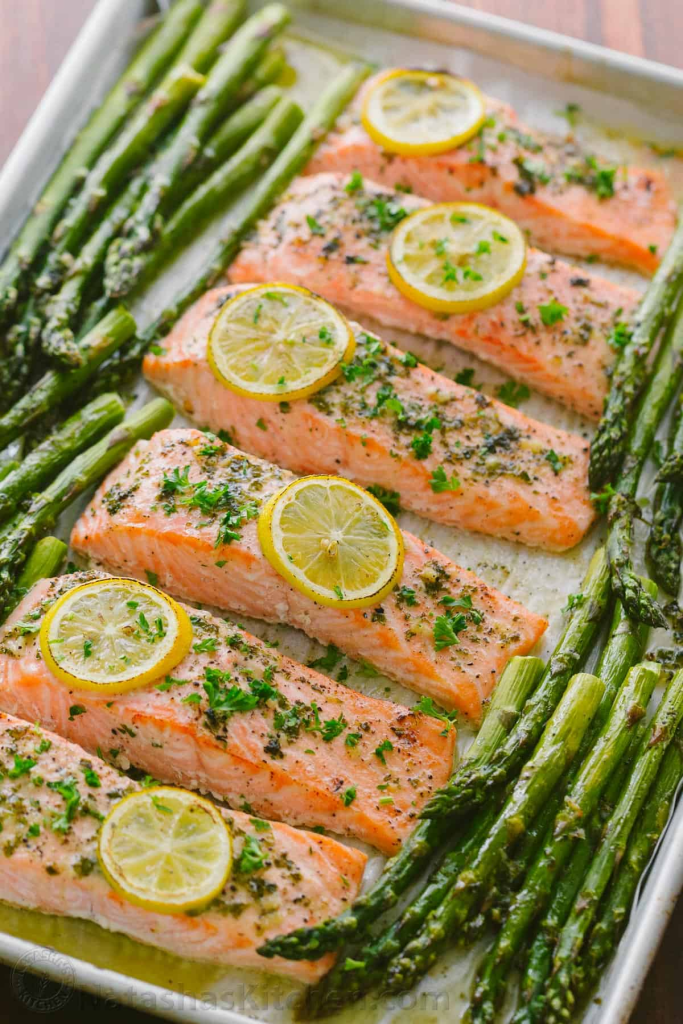
Salmon provides high-quality protein and omega-3 fatty acids, while asparagus adds fiber, vitamins, and a fresh, slightly earthy flavor that complements the fish perfectly. Whether baked or pan-seared, this salmon with asparagus recipe is ideal for weeknight dinners, meal prep, or light yet satisfying meals.
Why This Perfect for Dinner
Salmon and asparagus work exceptionally well together because their cooking times and flavors naturally align. Both ingredients cook quickly, making this an efficient meal option when time is limited. Salmon’s rich, buttery texture pairs beautifully with asparagus’s crisp-tender bite, creating contrast without overpowering the dish.
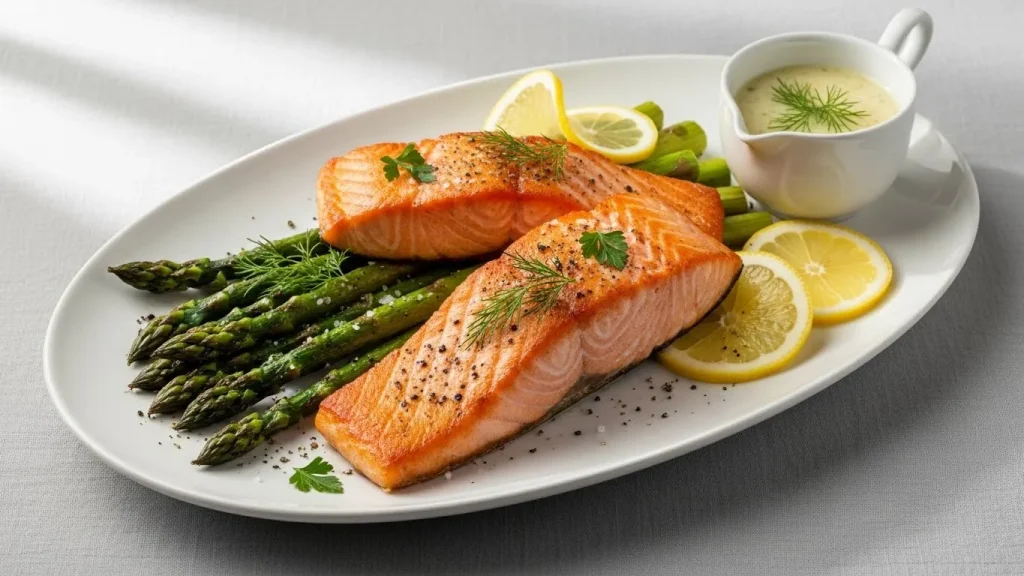
From a nutritional standpoint, this combination is low in carbs, high in protein, and packed with essential nutrients, making it suitable for healthy eating plans, keto-friendly meals, and balanced family dinners.
Ingredients
The core ingredients for this recipe are simple and easy to find. Using fresh, high-quality salmon and asparagus ensures the best flavor and texture. Light seasoning allows the natural taste of both ingredients to shine.
- Salmon fillets
- Fresh asparagus spears
- Olive oil or butter
- Salt and black pepper
- Garlic powder or minced garlic
- Paprika or Italian seasoning
Optional Flavor Enhancers
These optional ingredients help elevate the dish without complicating it. They add brightness, richness, or depth depending on your preference.
- Lemon juice or lemon zest
- Parmesan cheese
- Red pepper flakes
- Fresh herbs such as parsley, dill, or thyme
- Dijon mustard
How to Make Salmon With Asparagus
Prepare the Ingredients
Start by trimming the woody ends off the asparagus spears and patting them dry. Pat the salmon fillets dry as well to ensure proper cooking. Dry ingredients sear and roast better, resulting in improved texture and flavor. Season both the salmon and asparagus lightly with salt, pepper, and chosen spices.
Cook the Salmon
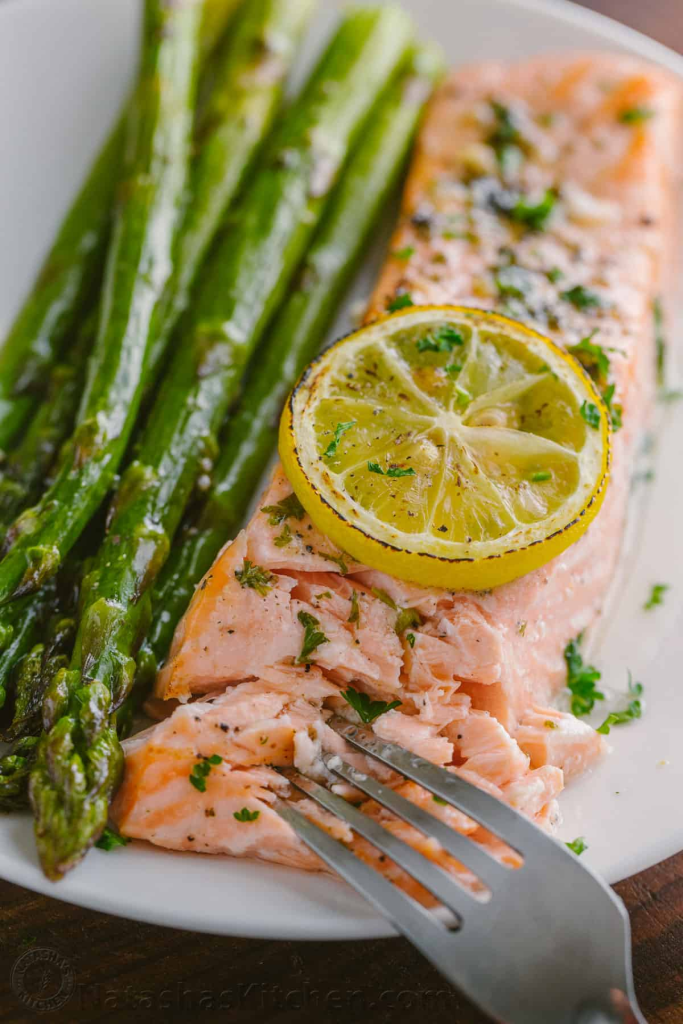
Salmon can be baked or pan-seared depending on preference. Baking at 400°F (205°C) allows for even cooking with minimal effort, while pan-searing creates a golden crust. Salmon is ready when it turns opaque and flakes easily with a fork. Remove it promptly to avoid dryness.
Cook the Asparagus
Asparagus cooks quickly and should remain slightly crisp for best texture. Whether roasted or sautéed, asparagus should be cooked just until tender. Overcooking causes it to lose color and become mushy, which affects the overall balance of the dish.
Combine and Finish
Once both salmon and asparagus are cooked, bring them together in the same pan or serving dish. Add butter, lemon juice, or herbs at the end to enhance flavor. This finishing step ties the ingredients together and adds freshness without overpowering the natural taste.
Expert Tips
Avoid Overcooking the Salmon
Salmon dries out quickly if overcooked. Remove it from heat as soon as it flakes easily. Residual heat will finish cooking the center.
Trim Asparagus Properly
Removing the tough ends of asparagus ensures a tender bite and prevents stringy texture.
Use High Heat Carefully
High heat helps achieve good browning but should be monitored closely to prevent burning, especially with thin asparagus spears.
Add Lemon at the End
Lemon juice added after cooking brightens the dish and balances the richness of the salmon.
Season Lightly
Both salmon and asparagus have natural flavors that shine with minimal seasoning. Over-seasoning can mask their freshness.
Variations
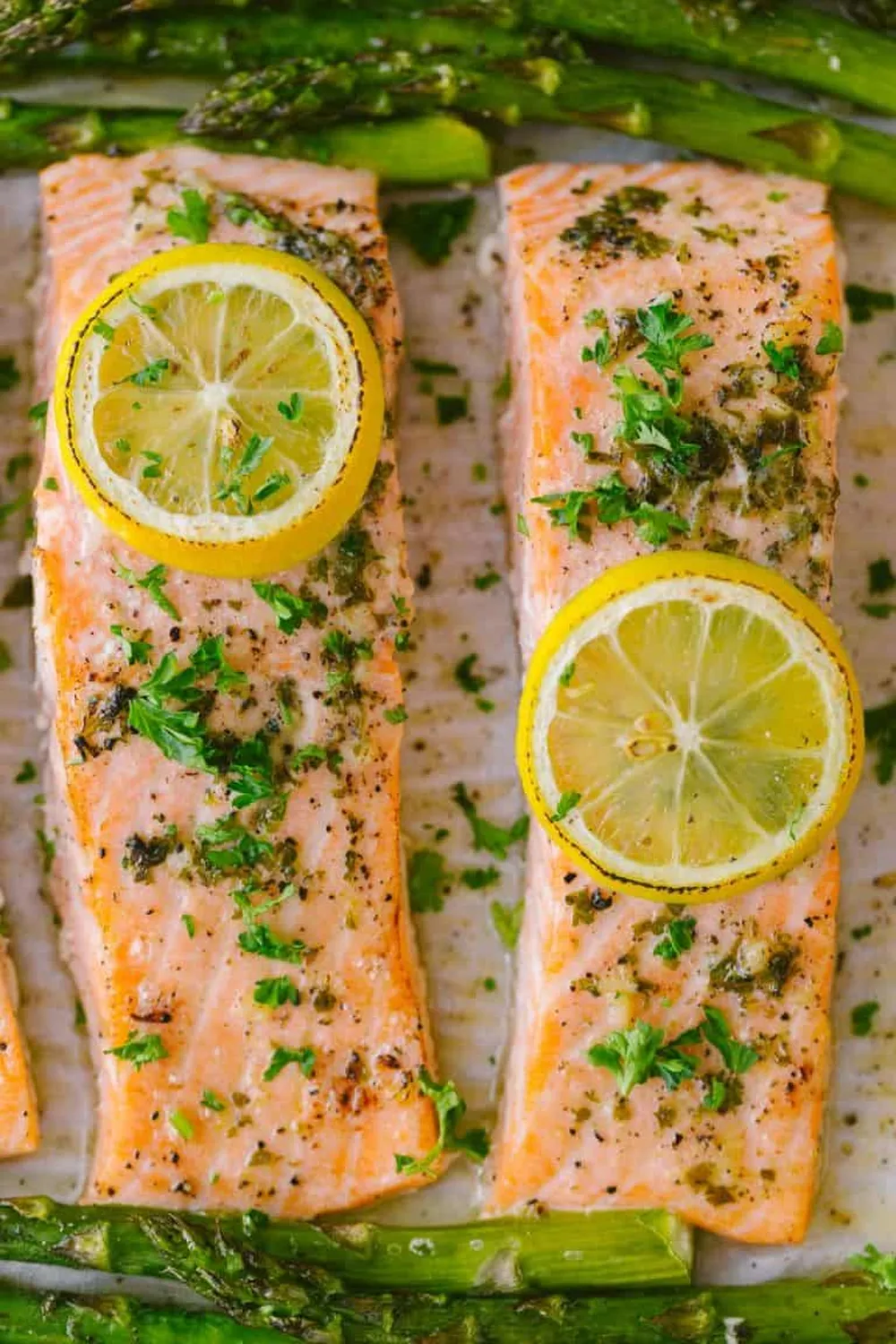
Garlic Butter Salmon With Asparagus
This variation uses butter and garlic for a rich, comforting flavor that pairs well with mashed potatoes or rice.
Lemon Salmon With Asparagus
Lemon juice and zest add brightness, making this version perfect for lighter meals or summer dinners.
Creamy Salmon With Asparagus
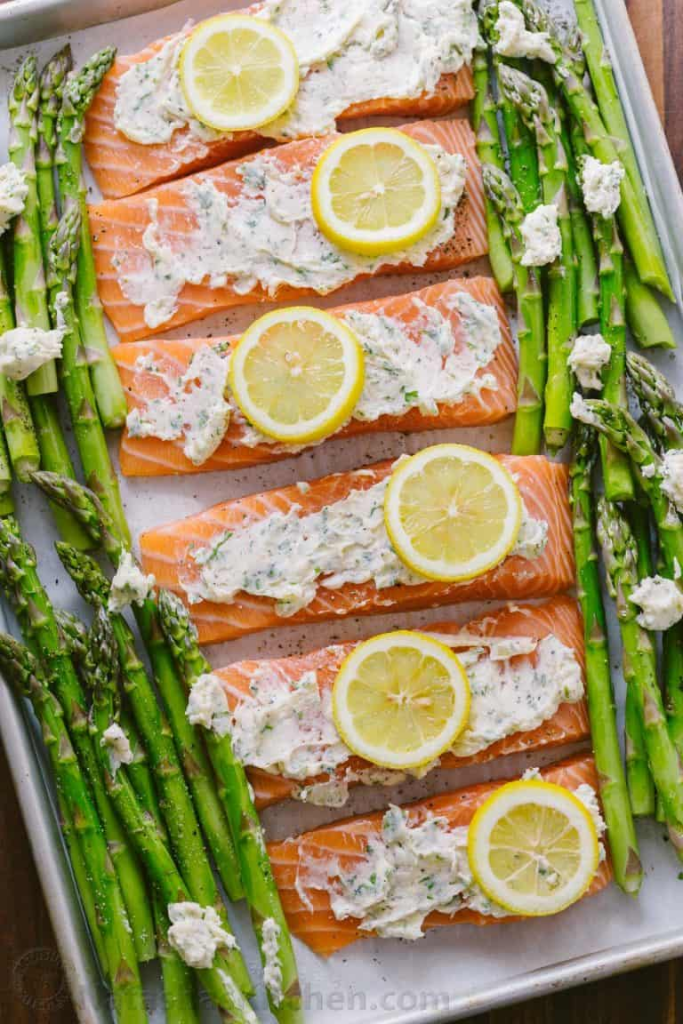
A light cream or Parmesan-based sauce turns this dish into a more indulgent, restaurant-style meal.
Sheet Pan Salmon With Asparagus
Everything is cooked together on one baking sheet, making cleanup fast and easy.
Low-Carb Salmon With Asparagus
Skip sauces and serve with olive oil and herbs for a keto-friendly option.
Serving Suggestions
Salmon with asparagus pairs well with rice, quinoa, mashed potatoes, or roasted baby potatoes. For lighter meals, serve it with a simple salad or cauliflower rice. Because the dish is naturally rich yet fresh, mild sides work best to complement the flavors without overwhelming them.
Storage and Reheating
Refrigerator
Store leftovers in an airtight container for up to 2–3 days. Keeping salmon and asparagus together helps retain moisture.
Reheating
Reheat gently over low heat or in the oven. Avoid high heat, which can dry out the salmon and overcook the asparagus.
Meal Prep Tip
Salmon with asparagus is excellent for short-term meal prep. It maintains good texture when reheated carefully.
Frequently Asked Questions
Is salmon with asparagus a healthy recipe?
Yes, it’s high in protein, low in carbs, and packed with nutrients, making it a very healthy meal option.
Can I use frozen salmon?
Yes, as long as it is fully thawed and patted dry before cooking.
Should asparagus be crunchy or soft?
Asparagus should be tender but slightly crisp for best texture and flavor.
Can I bake salmon and asparagus together?
Yes, they can be baked together on a sheet pan for convenience.
How do I keep salmon moist?
Avoid overcooking and let it rest briefly before serving.
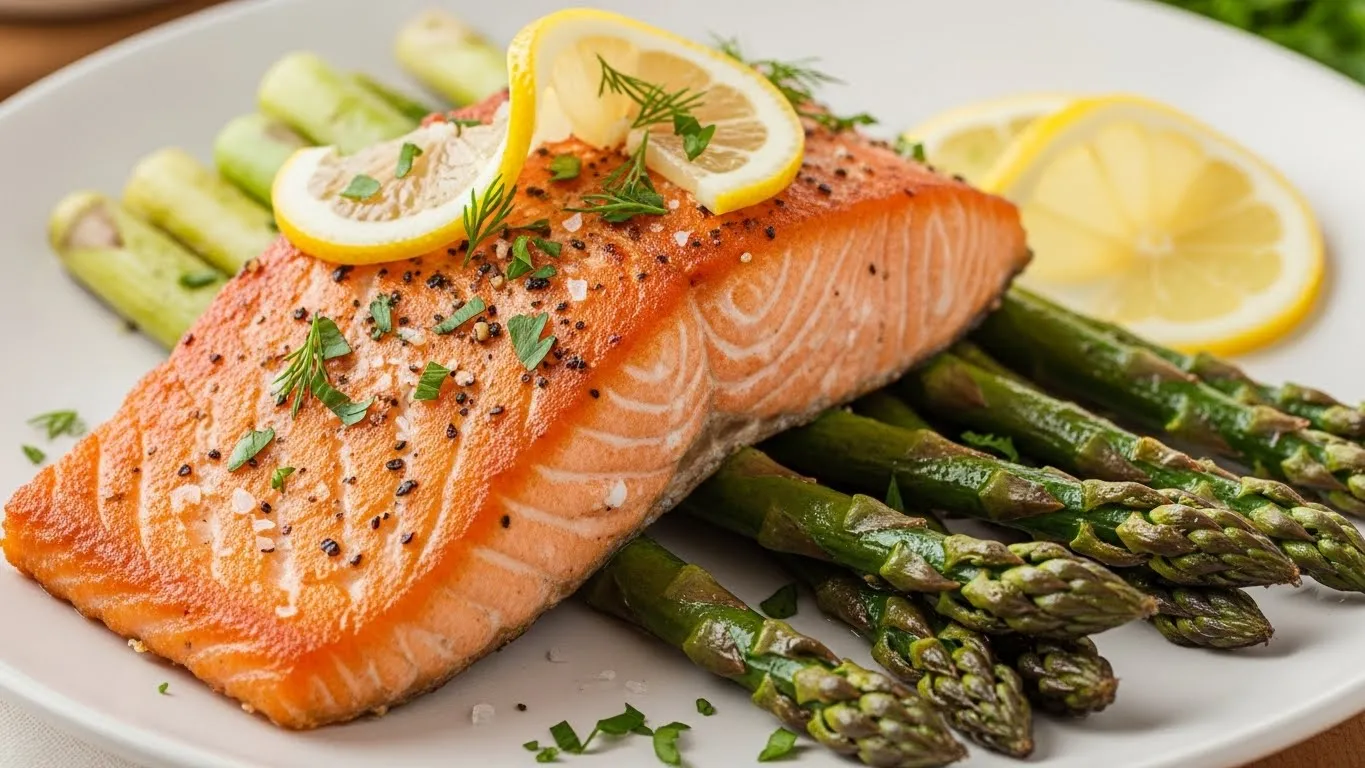

Salmon With Asparagus
Ingredients
Equipment
Method
- Pat salmon fillets dry and trim the woody ends from the asparagus. Season both with salt, pepper, garlic powder, and paprika.
- Heat olive oil or butter in a skillet over medium heat. Cook salmon skin-side down for 4–5 minutes, flip, and cook 2–3 minutes more until opaque and flaky. Remove and set aside.
- In the same skillet, add asparagus and cook for 4–6 minutes until tender-crisp. Season lightly and avoid overcooking.
- Return salmon to the pan. Add lemon juice, butter, or herbs if using. Spoon pan juices over salmon and asparagus.
- Remove from heat, garnish with herbs or Parmesan, and serve warm.
Video
Notes
- Do not overcook salmon; it should flake easily and stay moist.
- Asparagus should be tender but slightly crisp.
- Add lemon at the end for the freshest flavor.
- Works well with rice, quinoa, mashed potatoes, or cauliflower rice.
- Great for meal prep when reheated gently.

