
Butter Cookie Recipe (Classic, Crisp Edges, and Buttery Flavor)

Butter cookies are a timeless baked treat known for their simple ingredients and rich flavor. Made primarily with butter, sugar, and flour, these cookies deliver a delicate balance of crisp edges and a tender center. When baked correctly, they hold their shape well, making them ideal for piping, shaping, or decorating.
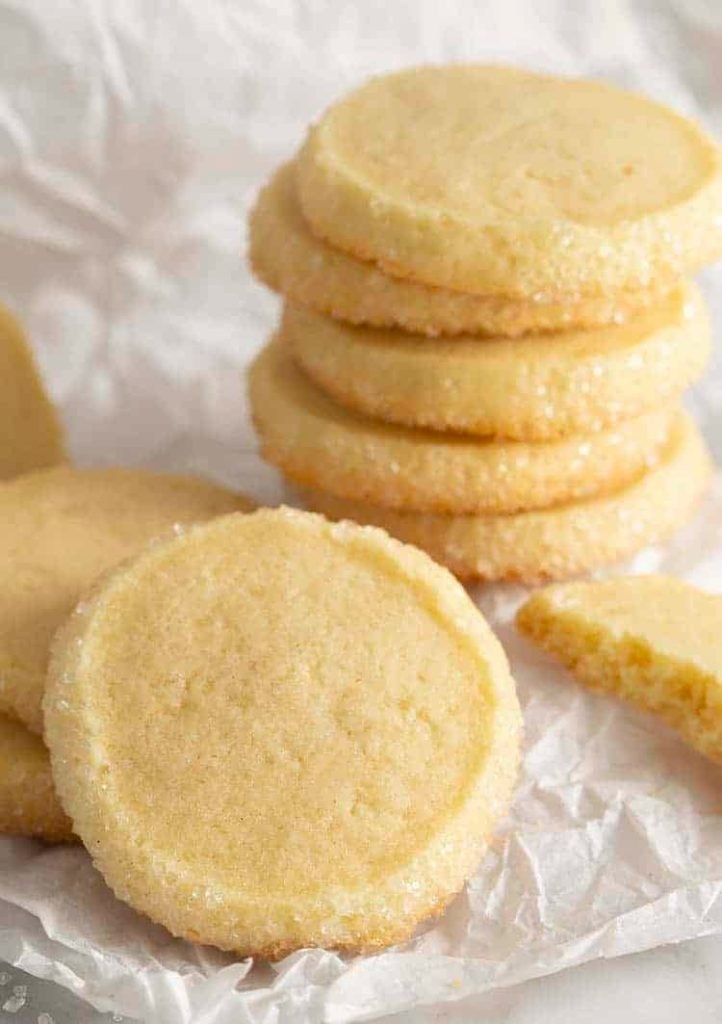
This recipe focuses on clean technique and proper ingredient balance. Because butter is the dominant ingredient, quality and handling matter. The dough is smooth, easy to work with, and produces cookies that are lightly golden with a subtle sweetness.
Butter cookies are commonly served during holidays, paired with tea or coffee, or enjoyed as a simple homemade snack.
Why This Recipe Works
This recipe works because it relies on a high butter-to-flour ratio, which creates the signature tender texture and rich flavor. Creaming the butter and sugar properly incorporates air into the dough, helping the cookies bake evenly and maintain a light structure. The addition of egg improves binding and contributes to a smooth dough.
Another key factor is controlled baking temperature. Baking at moderate heat allows the cookies to develop a golden color without burning the edges. The dough can also be piped or shaped easily, making it versatile for different cookie styles.
Flavor and Texture You Can Expect
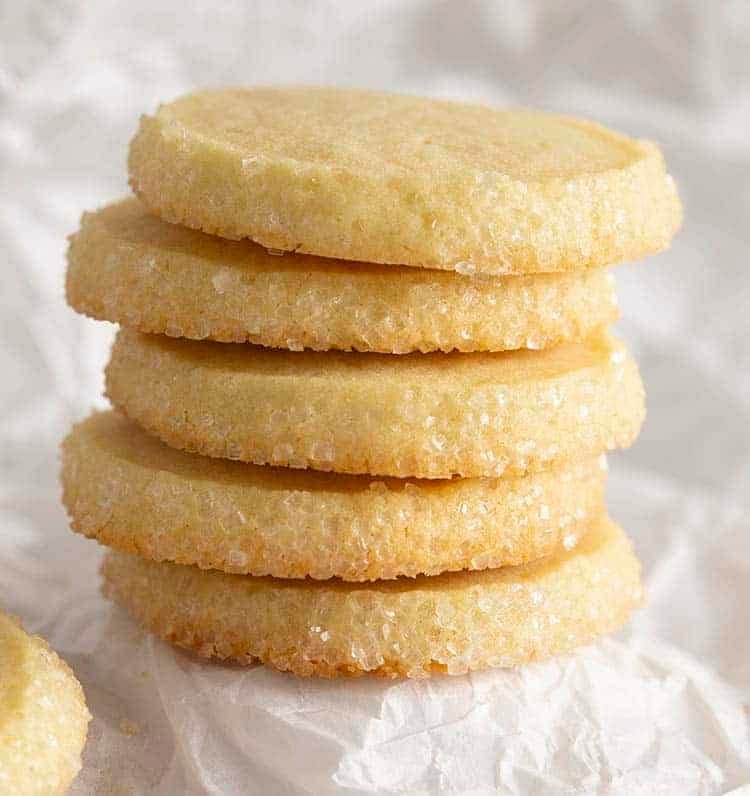
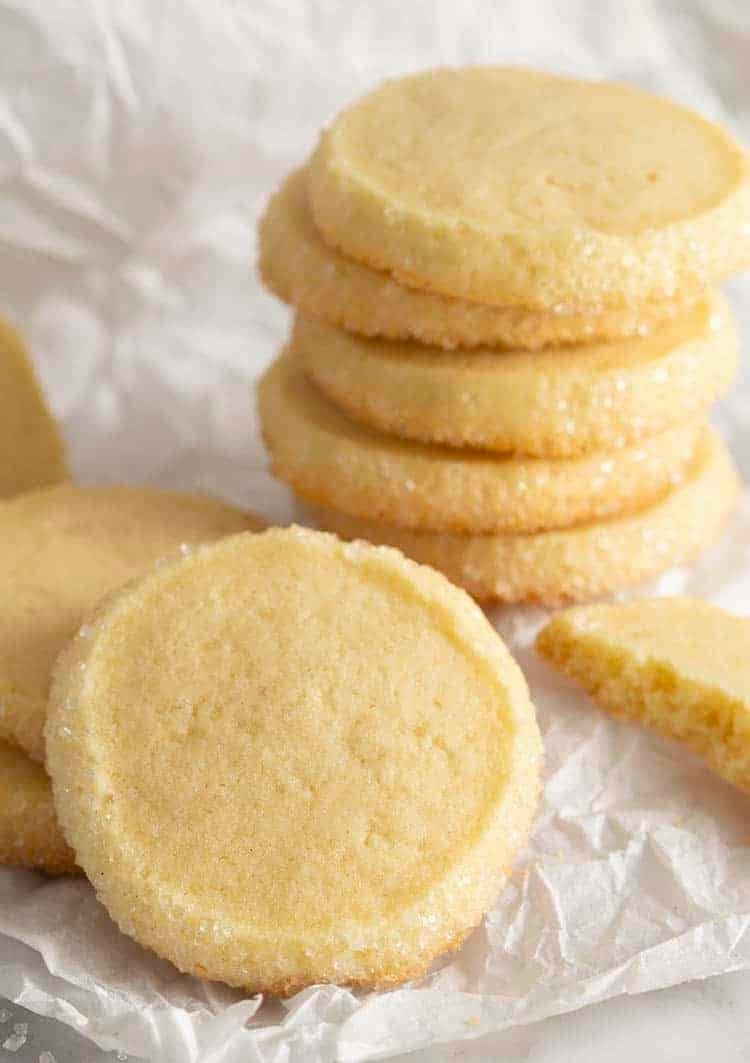
Butter cookies have a rich, buttery flavor with a mild sweetness. Vanilla enhances the aroma and complements the butter without overpowering it. The texture is slightly crisp on the outside with a tender, melt-in-your-mouth interior. Proper baking ensures the cookies are not too hard or overly soft. If baked slightly longer, they can become more crisp, while shorter baking times produce a softer cookie.
Ingredients
Butter is the primary ingredient and provides both flavor and texture. Using high-quality butter improves the overall result. Sugar adds sweetness and contributes to browning during baking. Flour provides structure and helps the cookies hold their shape. Egg binds the ingredients together and improves texture. Vanilla extract enhances flavor and aroma. A small amount of salt balances the sweetness and brings out the buttery flavor.
- Unsalted butter, softened
- Granulated sugar
- All-purpose flour
- Egg
- Vanilla extract
- Salt
How to Make Butter Cookie Recipe
Step-by-Step Instructions
Step 1. Preheat the Oven
Preheat the oven to 350°F and line a baking sheet with parchment paper.
Step 2. Cream Butter and Sugar
In a mixing bowl, beat softened butter and sugar together until light and fluffy.
Step 3. Add Egg and Vanilla
Mix in the egg and vanilla extract until fully combined.
Step 4. Add Dry Ingredients
Gradually add flour and salt to the mixture. Stir until a smooth dough forms.
Step 5. Shape the Cookies
Transfer the dough to a piping bag or roll into small balls and flatten slightly on the baking sheet.
Step 6. Bake the Cookies
Bake for 12–15 minutes until the edges are lightly golden.
Step 7. Cool Before Serving
Allow the cookies to cool on the baking sheet for a few minutes, then transfer to a cooling rack.
Best Butter to Use
Unsalted butter is recommended because it allows better control over the salt level in the recipe. European-style butter, which has a higher fat content, can produce a richer flavor and more tender texture.
Variations You Can Try
Butter cookies can be customized easily. Adding almond extract creates a slightly nutty flavor. Dipping the cookies in melted chocolate adds richness. Sprinkling sugar on top before baking adds texture and visual appeal. The dough can also be shaped into different forms, such as piped swirls or cut-out shapes.
Make-Ahead and Storage Tips
Butter cookie dough can be prepared in advance and stored in the refrigerator for up to two days. Baked cookies can be stored in an airtight container at room temperature for up to one week. They can also be frozen for longer storage.
Common Mistakes to Avoid
- Using cold butter prevents proper creaming and affects texture.
- Overmixing the dough can make the cookies dense.
- Overbaking can cause the cookies to become too hard.
- Spacing cookies properly on the baking sheet prevents them from sticking together.
FAQs
Can I make these cookies without eggs?
Yes, but the texture may be slightly different.
Can I use powdered sugar instead of granulated sugar?
Yes, it will produce a softer, more delicate cookie.
Can I pipe the dough?
Yes, the dough is suitable for piping if soft enough.
Why are my cookies spreading too much?
The butter may be too soft or the dough too warm.

Butter Cookie Recipe
Ingredients
Equipment
Method
- Preheat oven to 350°F (175°C) and line a baking sheet with parchment paper.
- In a bowl, beat softened butter and sugar until light and fluffy (about 2–3 minutes).
- Mix in the egg and vanilla extract until fully combined.
- Gradually add flour and salt. Mix until a soft dough forms.
- If piping, add 1–2 tbsp milk to soften the dough slightly.
- Pipe or scoop the dough onto the baking sheet, leaving space between cookies.
- Bake for 12–15 minutes, or until edges turn lightly golden.
- Let cookies cool on the baking sheet for a few minutes, then transfer to a wire rack.
Video
Notes
Do not overbake—cookies should be lightly golden, not dark
Chill dough for 15–20 minutes if it feels too soft
Piping gives classic bakery-style shapes

