
Gluten Free Egg Noodles (Soft, Flexible, and Homemade)

Gluten free egg noodles are one of those recipes people assume are difficult—but they’re not. With the right flour blend and technique, you can make tender, flexible noodles that work beautifully in soups, buttered dishes, or classic comfort meals like chicken noodle soup.
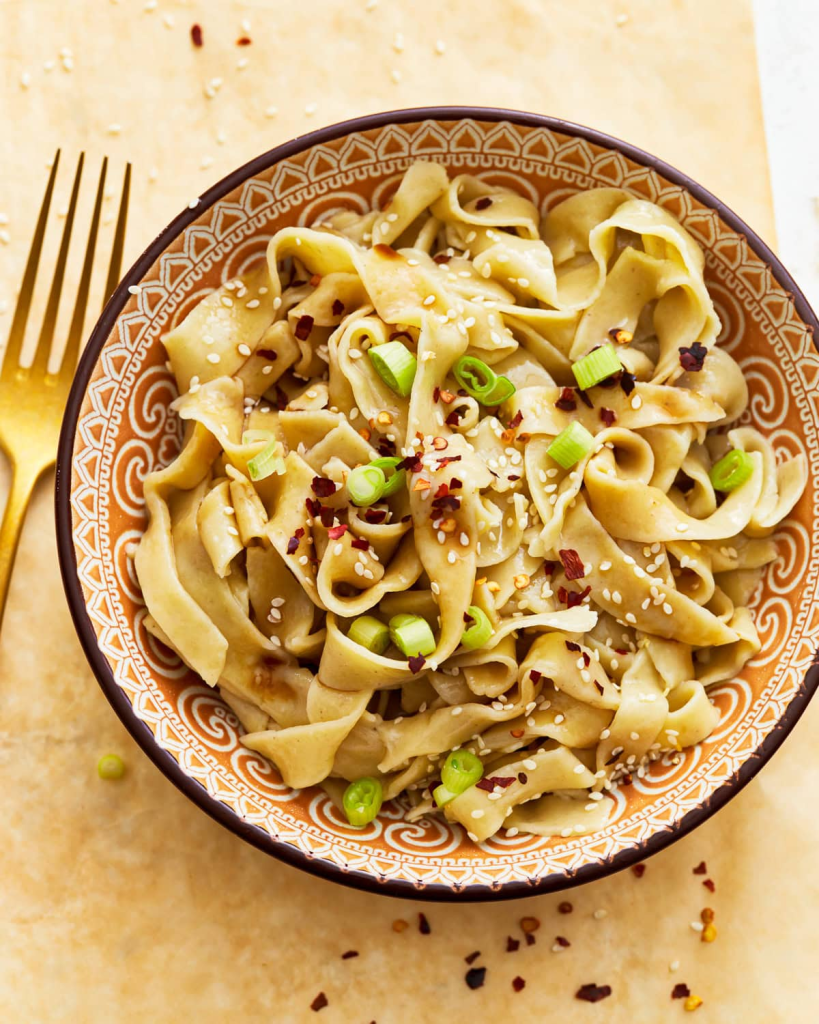
Unlike many store-bought gluten-free noodles that turn mushy or break apart, homemade gluten free egg noodles hold their shape and texture. They’re rich from eggs, easy to roll out, and surprisingly forgiving once you understand what the dough should feel like.
Why Gluten Free Egg Noodles Are Tricky (and How to Fix It)
Gluten is what normally gives noodle dough elasticity. Without it, the dough can crack, crumble, or fall apart when cooked. That’s where eggs and the right gluten-free flour blend matter. Eggs provide structure and richness, while starches in gluten-free flour mimic elasticity. The goal isn’t stretchy dough—it’s soft, workable dough that holds together. Once you stop expecting gluten-like behavior, this recipe becomes very reliable.
Texture and Taste Expectations
These noodles are tender, slightly chewy, and rich thanks to the eggs. They’re not rubbery, not gritty, and not fragile when cooked correctly. They shine best in soups, light sauces, or butter-based dishes. Don’t expect them to behave like dried wheat pasta—think fresh egg noodles, just gluten free.
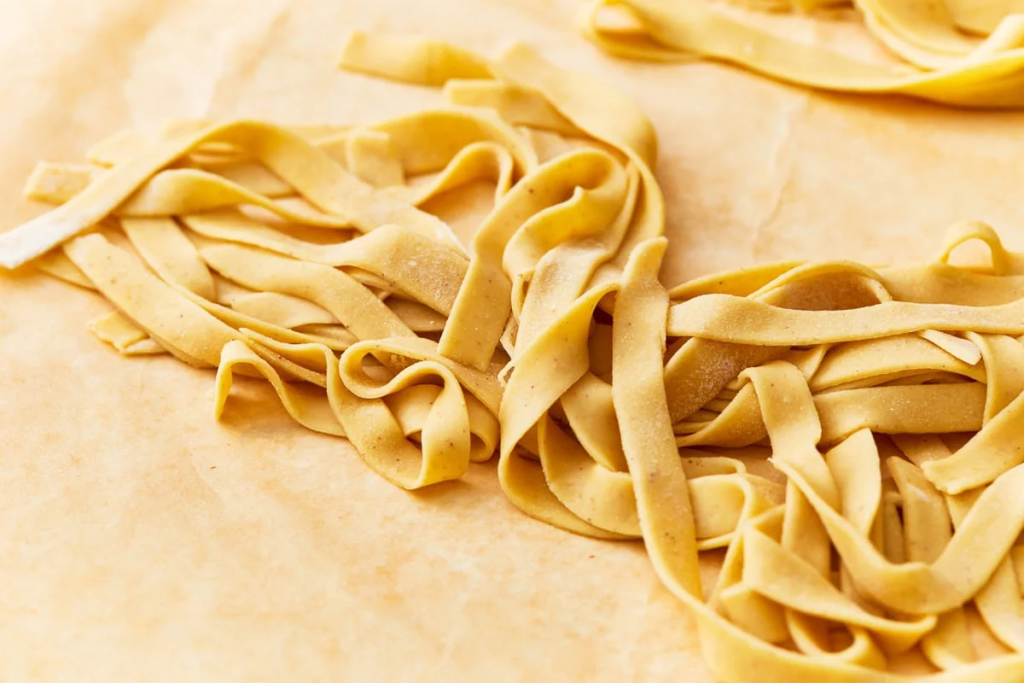
Ingredients
Gluten free egg noodles require very few ingredients, but each one has a specific role. A gluten-free all-purpose flour blend provides the base structure. Eggs add richness, color, and binding power. Salt enhances flavor, and a small amount of water helps bring the dough together. Using a flour blend that contains xanthan gum is critical. Without it, the noodles will fall apart.
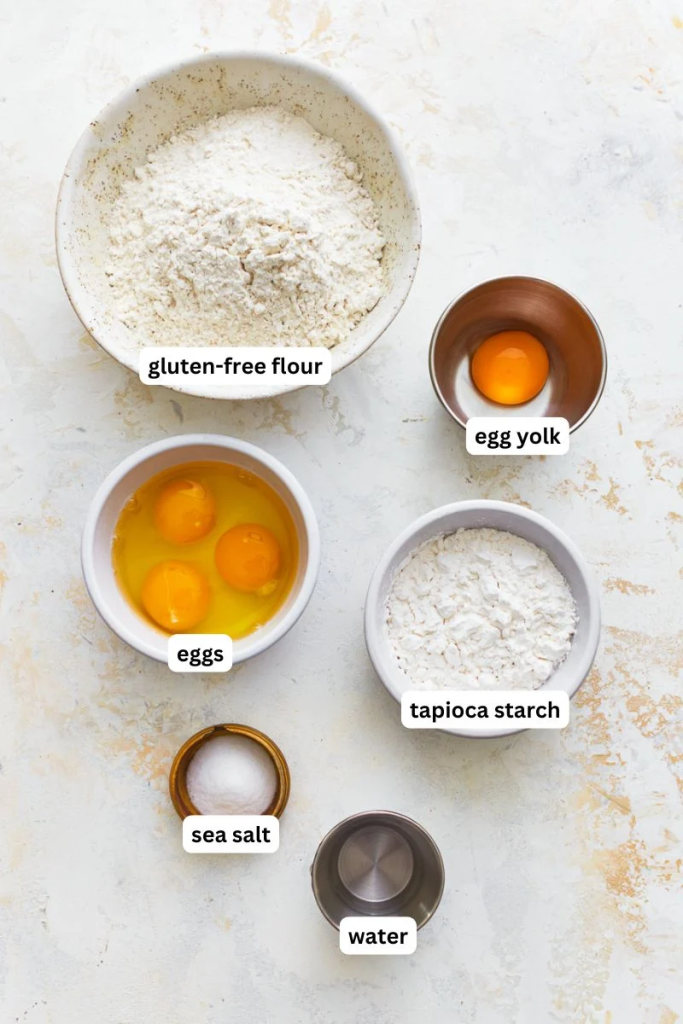
Ingredients List
- 2 cups gluten-free all-purpose flour (with xanthan gum)
- 3 large eggs
- ½ teaspoon salt
- 2–4 tablespoons water (as needed)
- Optional: extra flour for dusting
How to Make Gluten Free Egg Noodles
Take your time with the dough. Texture matters more than exact measurements.
Step 1. Mix Dry Ingredients
In a bowl, whisk together gluten-free flour and salt until evenly combined.
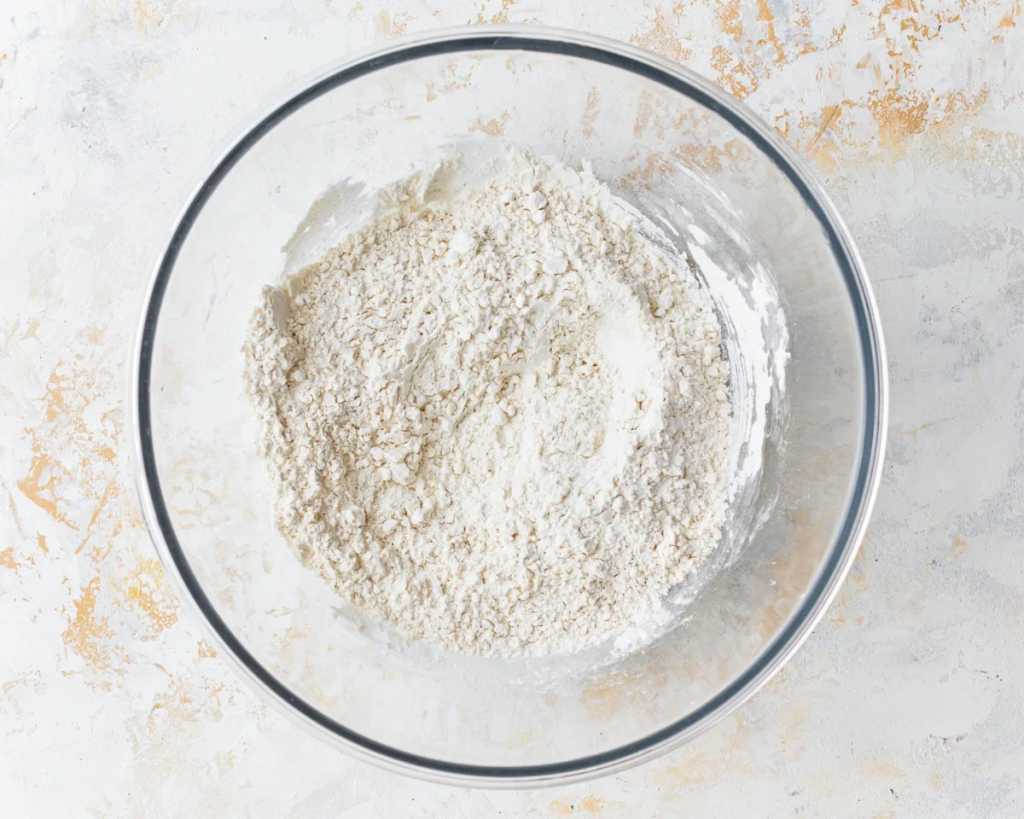
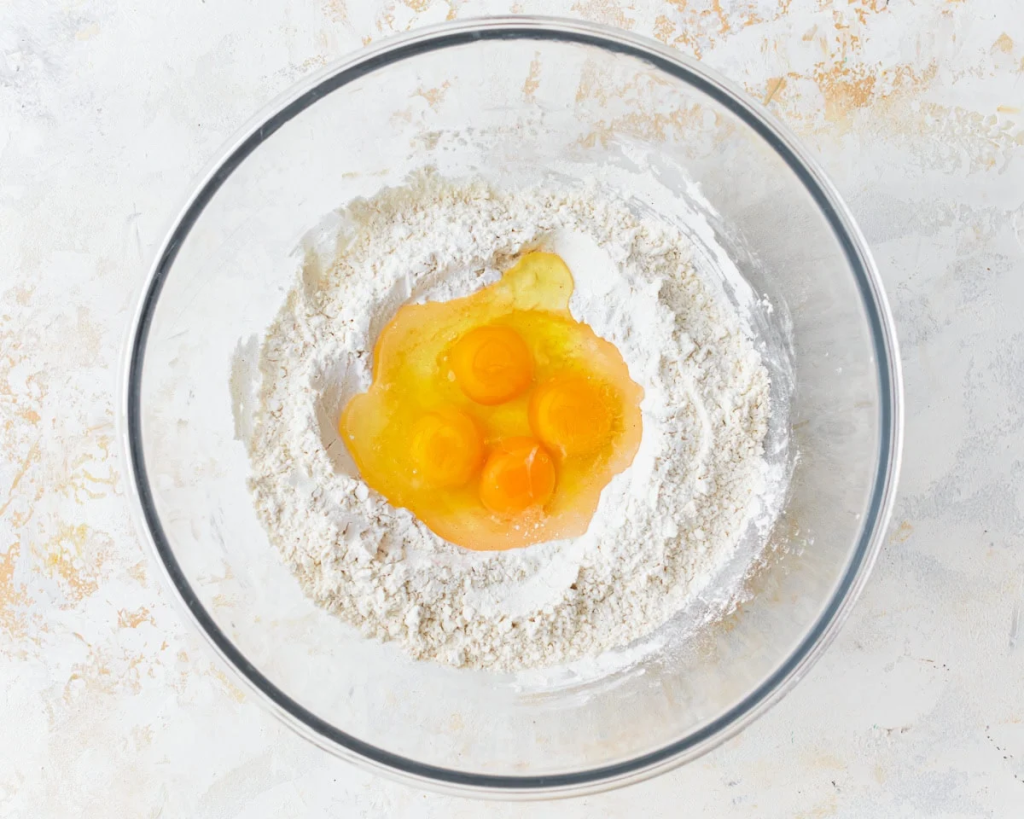
Step 2. Add Eggs
Make a well in the center and add eggs. Begin mixing with a fork or spoon until a shaggy dough forms.
Step 3. Adjust Dough Texture
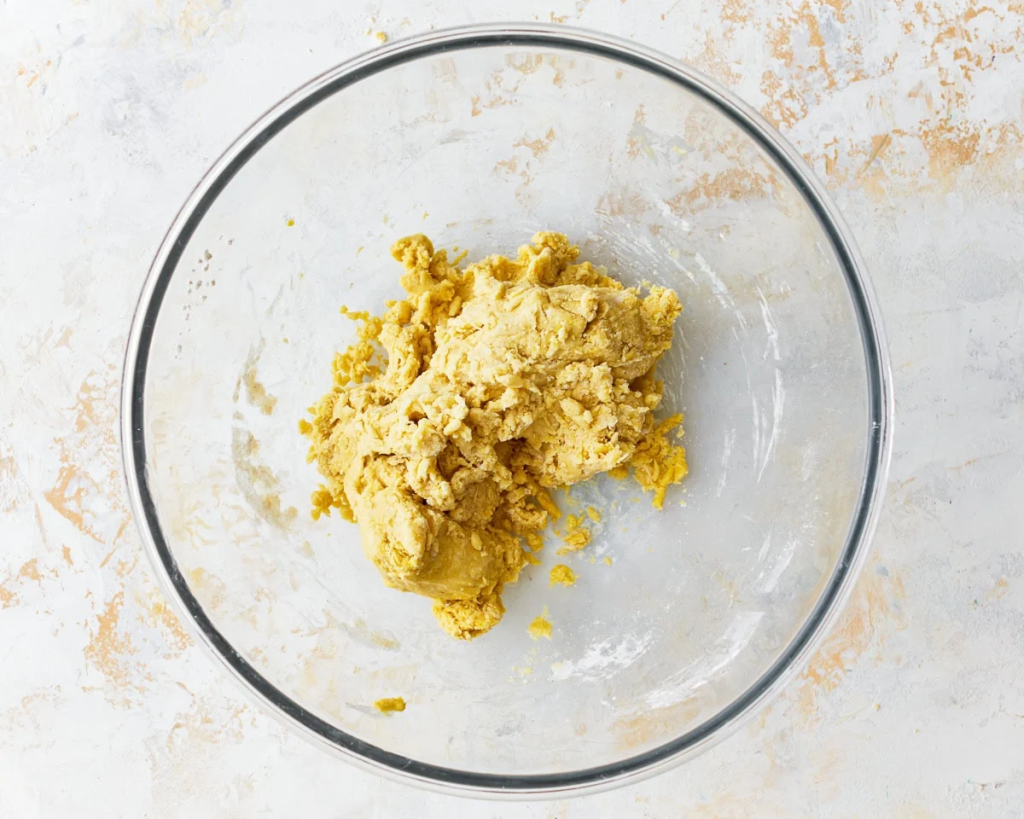
Add water one tablespoon at a time until the dough comes together. It should be soft and slightly tacky, not sticky or crumbly.
Step 4. Rest the Dough
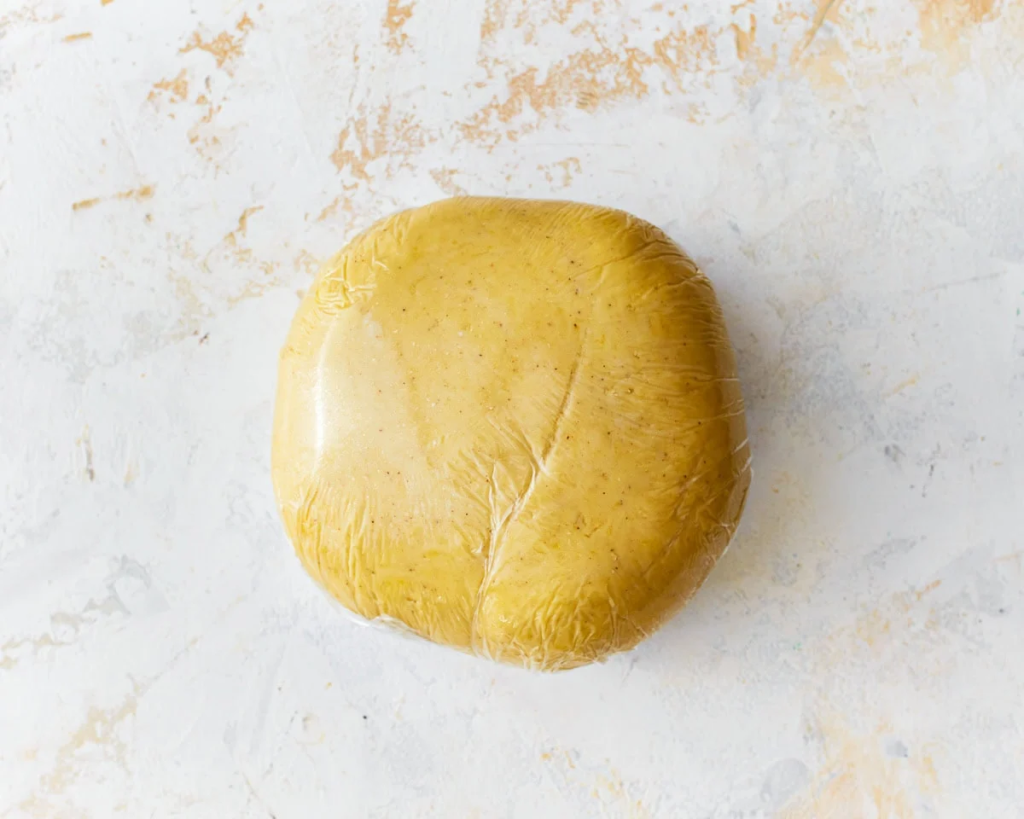
Cover the dough and let it rest for 15–20 minutes. This allows the flour to hydrate fully and makes rolling easier.
Step 5. Roll the Dough
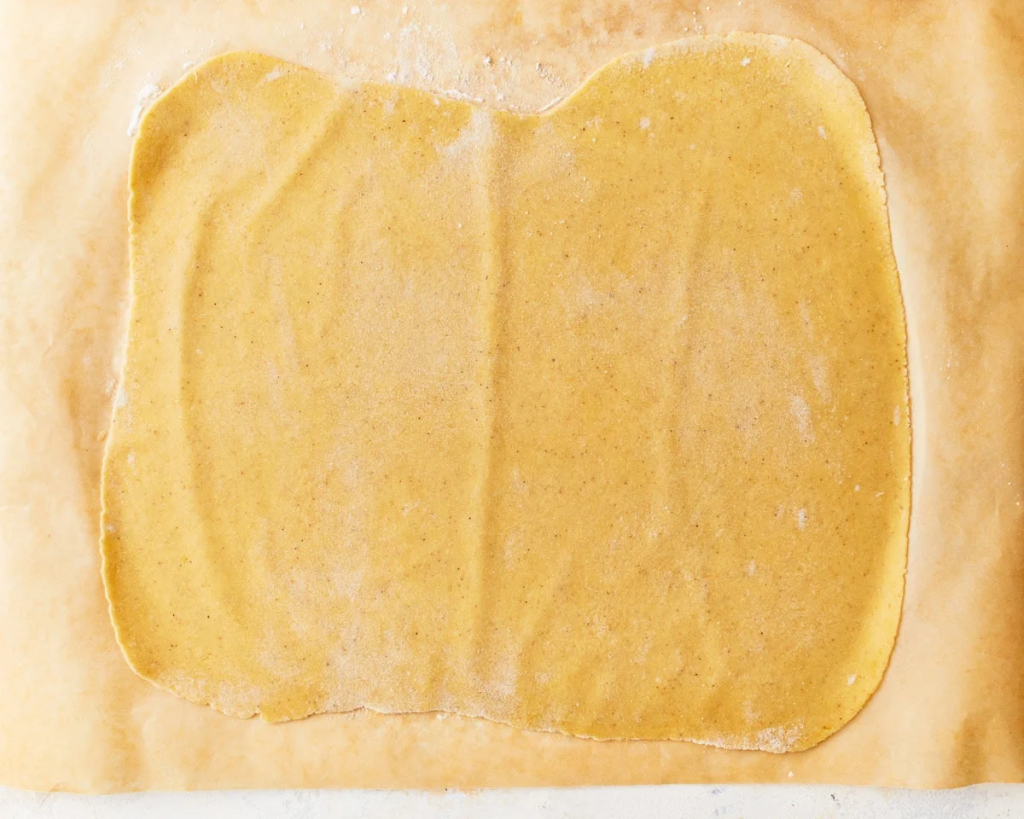
Place dough between two sheets of parchment paper and roll to about ⅛-inch thickness.
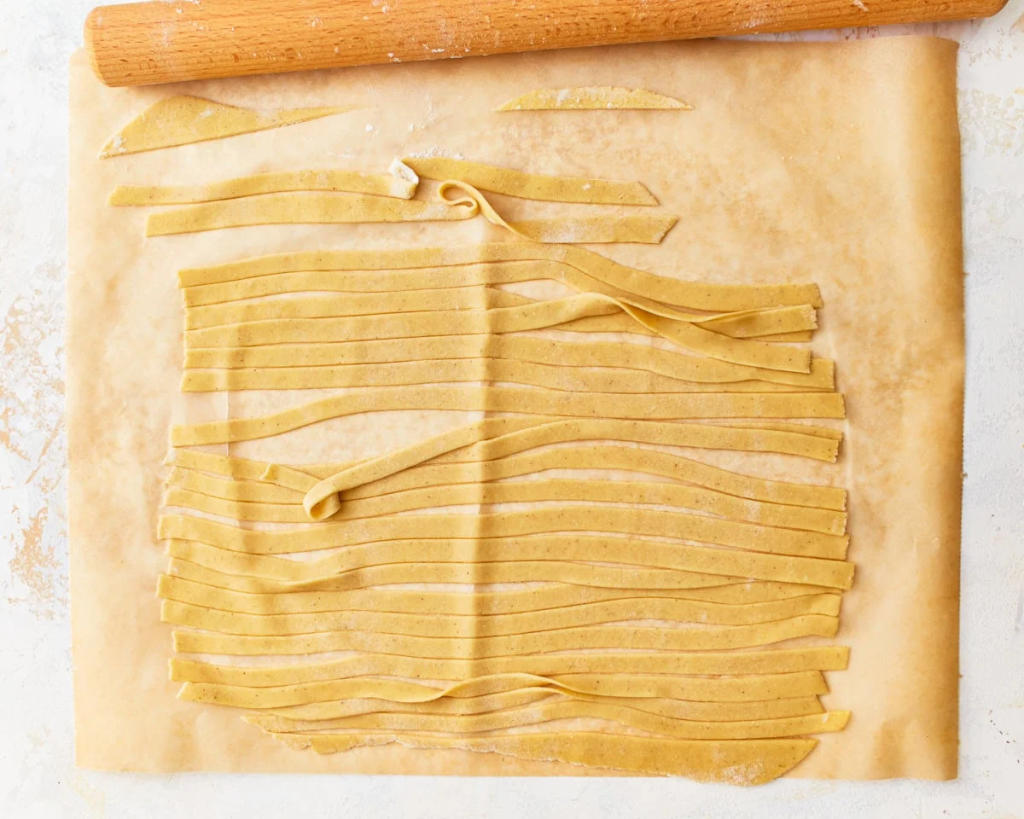
Step 6. Cut the Noodles
Remove top parchment and cut dough into strips using a knife or pizza cutter.
Step 7. Cook the Noodles
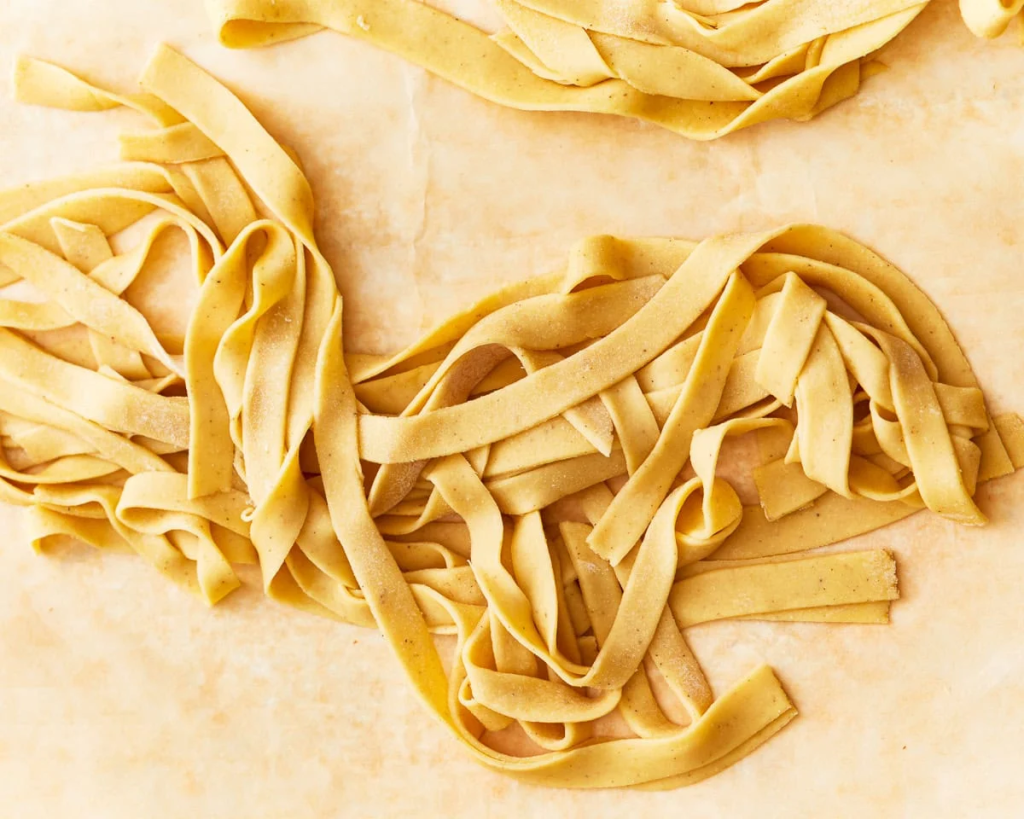
Drop noodles into boiling salted water and cook for 2–4 minutes, until tender. Do not overcook.
Cooking Tips That Matter
Gluten free egg noodles cook fast. Overcooking is the fastest way to ruin them. Once they float and feel tender, they’re done. Stir gently during cooking to prevent sticking, and avoid aggressive boiling.
Best Ways to Use These Noodles
These noodles work especially well in:
- Chicken noodle soup
- Buttered noodles
- Creamy sauces
- Beef or turkey noodle dishes
They’re not ideal for baked pasta dishes or long simmering, as they can soften too much.
Storage and Make-Ahead Tips
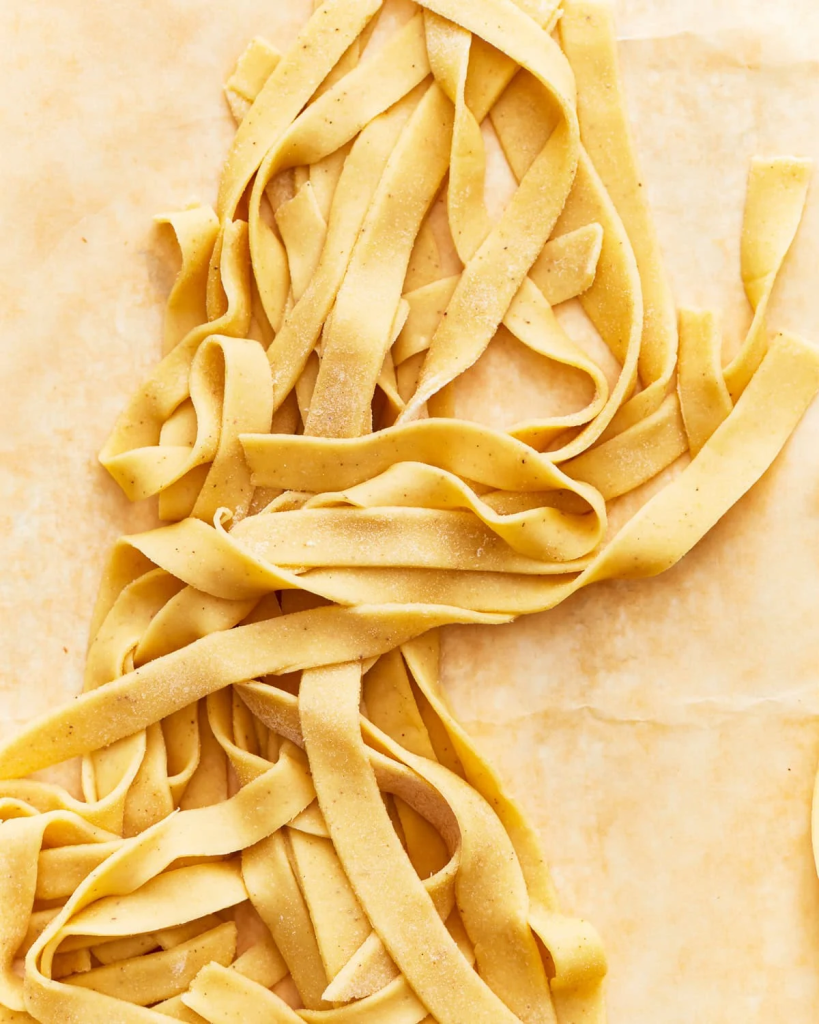
Fresh gluten free egg noodles can be cooked immediately or dried slightly before use. If storing, dust lightly with flour and refrigerate for up to 24 hours. Cooked noodles are best eaten the same day. Reheating can cause them to soften further.
Common Mistakes to Avoid
- Using flour without xanthan gum
- Skipping the dough rest
- Rolling too thin
- Overcooking
Each of these leads to broken or mushy noodles.
FAQs
Can I freeze gluten free egg noodles?
Freezing raw noodles is not recommended. Cooked noodles can be frozen, but texture may soften after thawing.
What flour works best?
A 1:1 gluten-free all-purpose blend with xanthan gum works best.
Why is my dough cracking?
It’s too dry. Add water gradually until pliable.
Are these noodles dairy-free?
Yes. This recipe contains no dairy.
Final Thoughts
Gluten free egg noodles don’t need to be complicated or disappointing. With the right flour and a gentle approach, you can make noodles that are tender, flavorful, and dependable.
Once you’ve made them once, you’ll realize they’re far better than most store-bought options—and completely doable at home.

Gluten Free Egg Noodles
Ingredients
Equipment
Method
- In a mixing bowl, whisk together gluten-free flour and salt.
- Make a well in the center and add eggs. Mix until a shaggy dough forms.
- Add water one tablespoon at a time until the dough comes together and is soft but not sticky.
- Cover the dough and let it rest for 15–20 minutes.
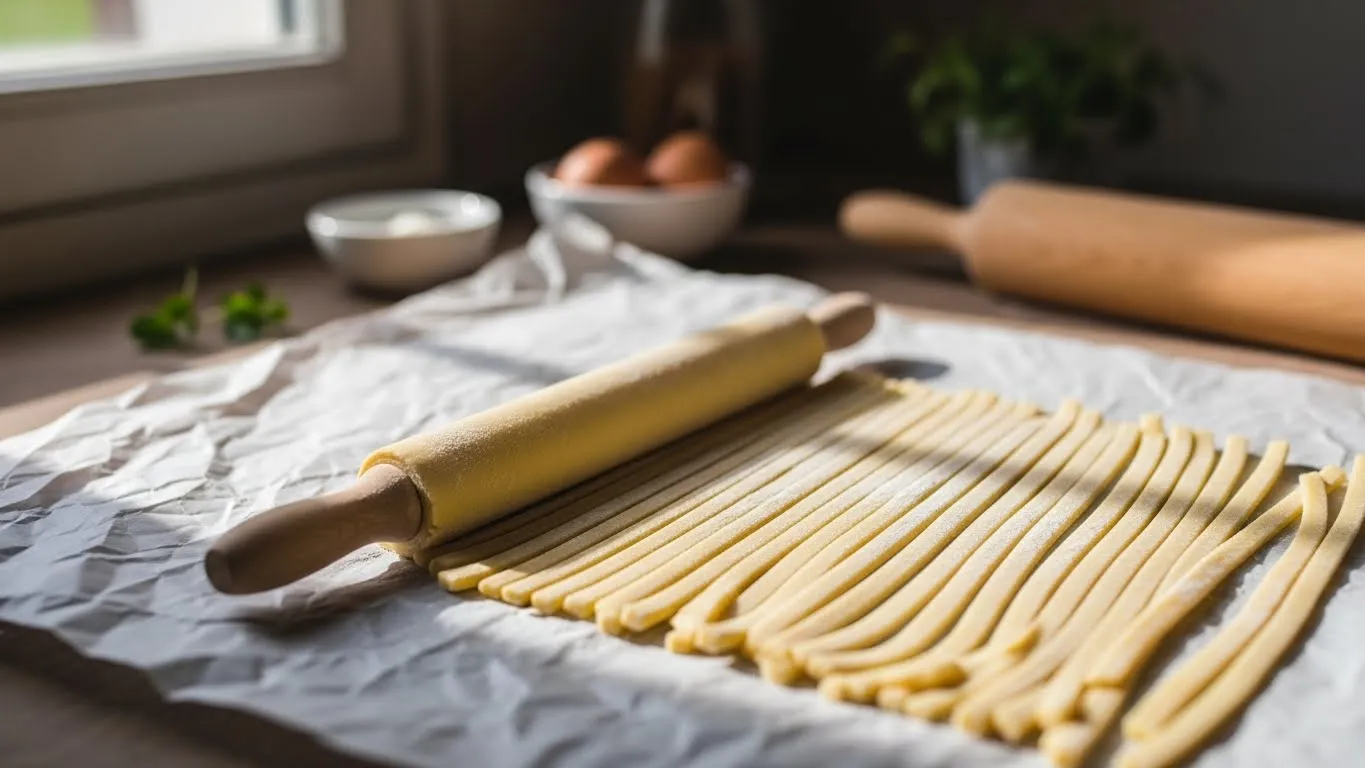
- Place dough between two sheets of parchment paper and roll to about ⅛-inch thickness.
- Remove the top parchment and cut the dough into noodle strips.
- Bring a large pot of salted water to a gentle boil.
- Add noodles and cook for 2–4 minutes until tender.
- Drain and serve immediately.
Notes
- Use a flour blend that contains xanthan gum
- Do not overcook or noodles may soften too much
- Dough should be soft and pliable, not dry
- Best used fresh

