
Gluten Free Lasagna Noodles (Flexible, Strong, and Homemade)

Gluten Free Lasagna Noodles solve one of the biggest problems in gluten-free cooking: pasta that falls apart when layered. These noodles are sturdy enough to hold up in a baked lasagna, flexible enough to layer easily, and tender once cooked—without turning mushy.
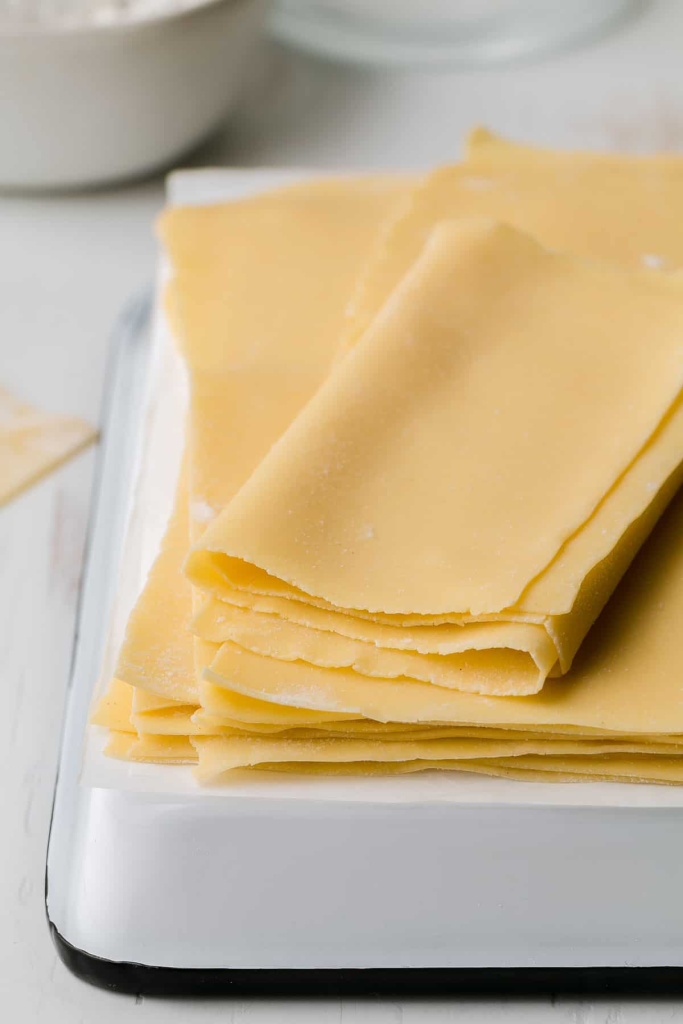
Store-bought gluten-free lasagna sheets are expensive and inconsistent. Homemade versions give you control over thickness, texture, and strength, which is critical when baking layered dishes like lasagna. This recipe focuses on structure first, because flavor means nothing if the noodles collapse.
Why Gluten Free Lasagna Is Hard to Get Right
Traditional lasagna noodles rely heavily on gluten for elasticity and strength. Remove gluten, and the dough becomes fragile, prone to cracking and tearing. That’s why many gluten-free lasagnas end up watery or broken.
The solution is eggs + the right flour blend + rest time. Eggs add binding power, xanthan gum mimics elasticity, and resting allows the flour to fully hydrate. Skip any of these, and the noodles fail.
Texture You Should Expect
These noodles are:
- Firm enough to layer
- Flexible when warm
- Tender after baking
- Not gummy, gritty, or crumbly
They behave like fresh lasagna sheets, not dry boxed pasta. That’s exactly what you want for baked dishes.
Ingredients
Gluten free lasagna noodles require only a few ingredients, but quality matters. A gluten-free all-purpose flour blend with xanthan gum provides structure. Eggs add richness and binding power. Salt enhances flavor, and a small amount of water brings the dough together without making it sticky. Do not substitute almond flour or coconut flour—this recipe will fail.
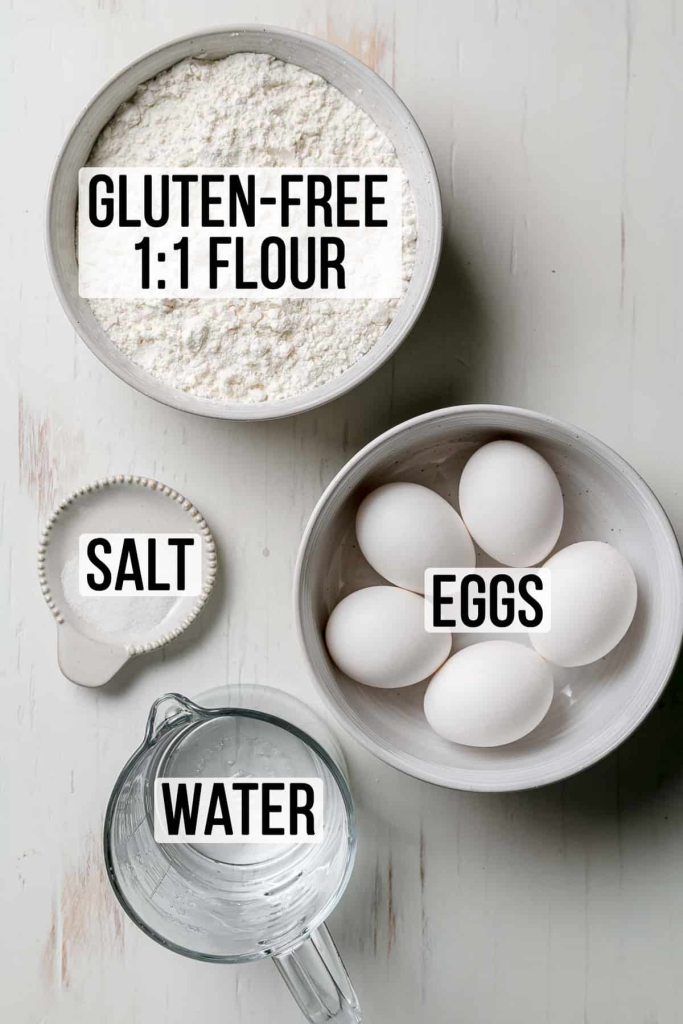
- 2½ cups gluten-free all-purpose flour (with xanthan gum)
- 3 large eggs
- ½ teaspoon salt
- 2–5 tablespoons water (as needed)
- Optional: extra flour for dusting
How to Make Gluten Free Lasagna Noodles
Take your time. Rushing this dough is the fastest way to ruin it.
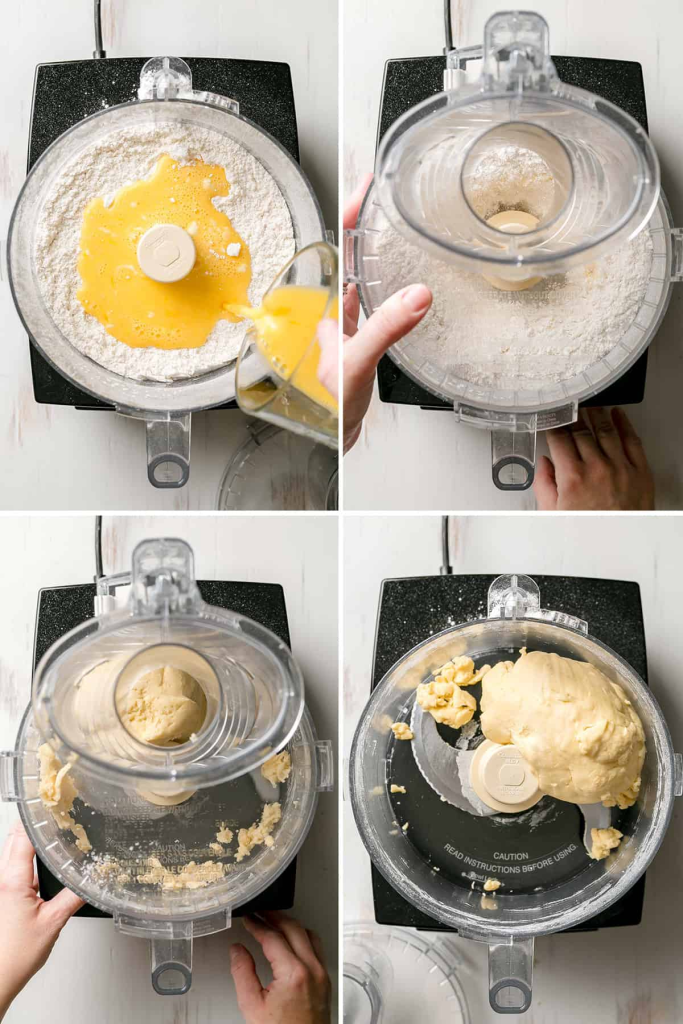
Step 1. Mix Dry Ingredients
In a large bowl, whisk together gluten-free flour and salt.
Step 2. Add Eggs
Create a well in the center and add eggs. Mix until a rough dough forms.
Step 3. Adjust Dough Texture
Add water one tablespoon at a time until the dough is smooth, soft, and pliable. It should not crumble or stick.
Step 4. Rest the Dough
Cover and rest for 20–30 minutes. This step is non-negotiable.
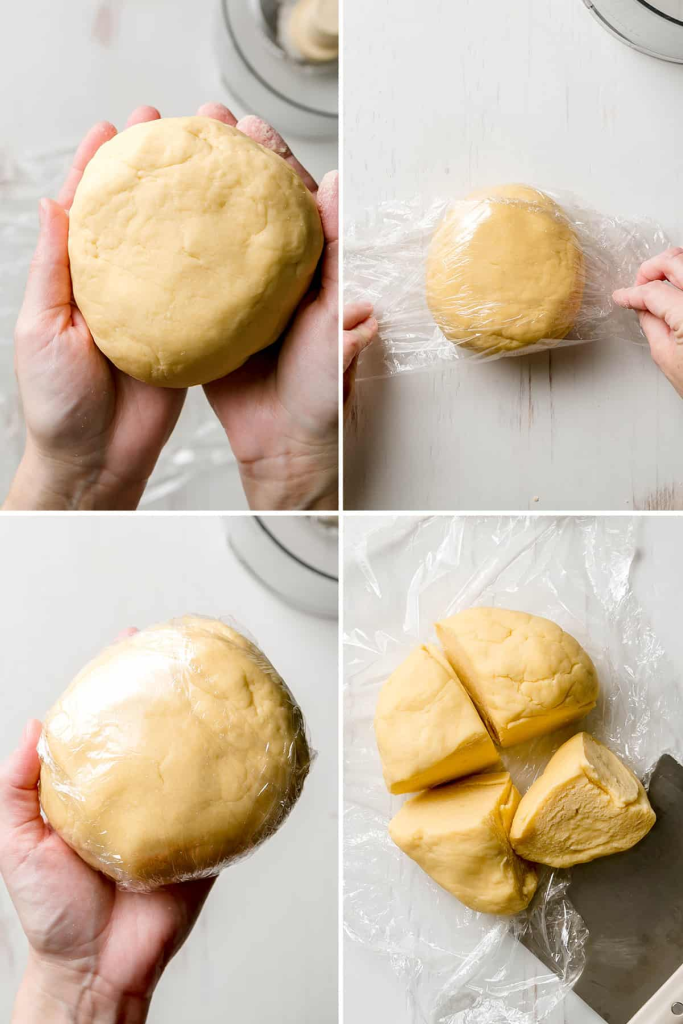
Step 5. Roll the Dough
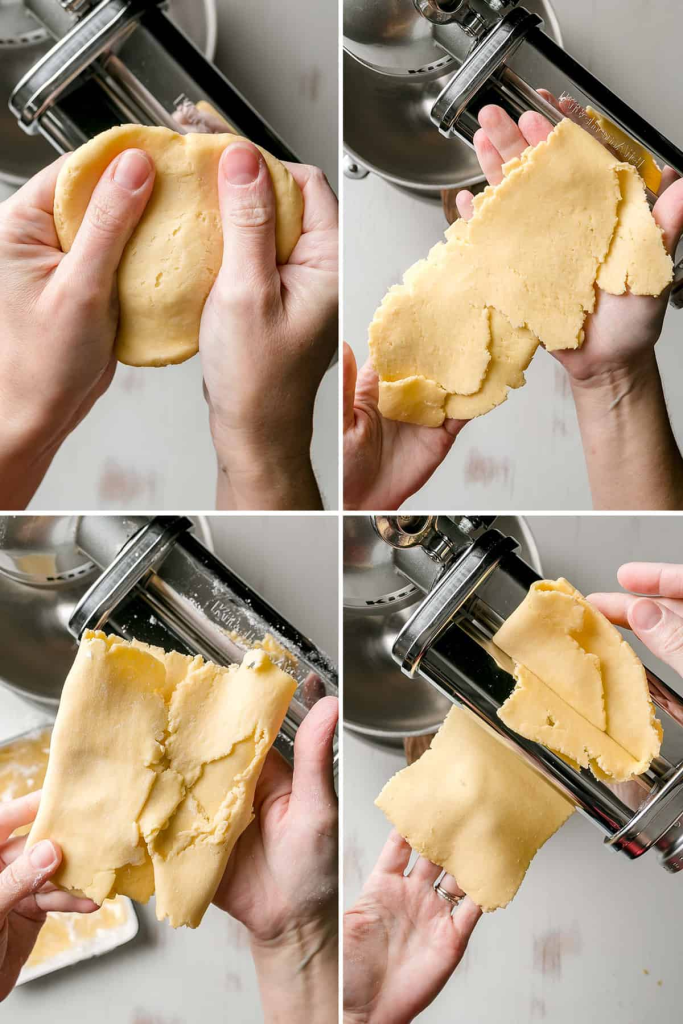
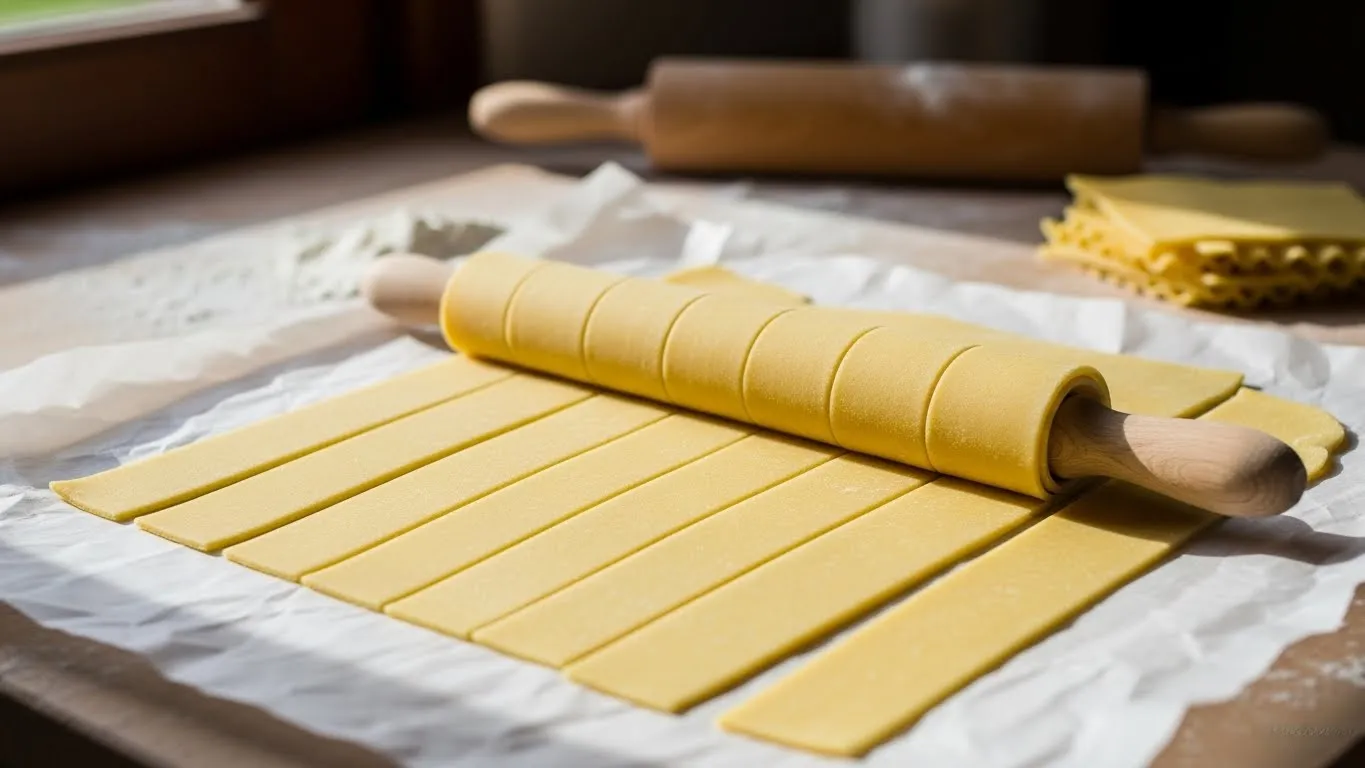
Place dough between parchment paper and roll to about ⅛-inch thickness.
Step 6. Cut Lasagna Sheets
Cut dough into rectangles sized to fit your baking dish.
Step 7. Parboil the Noodles
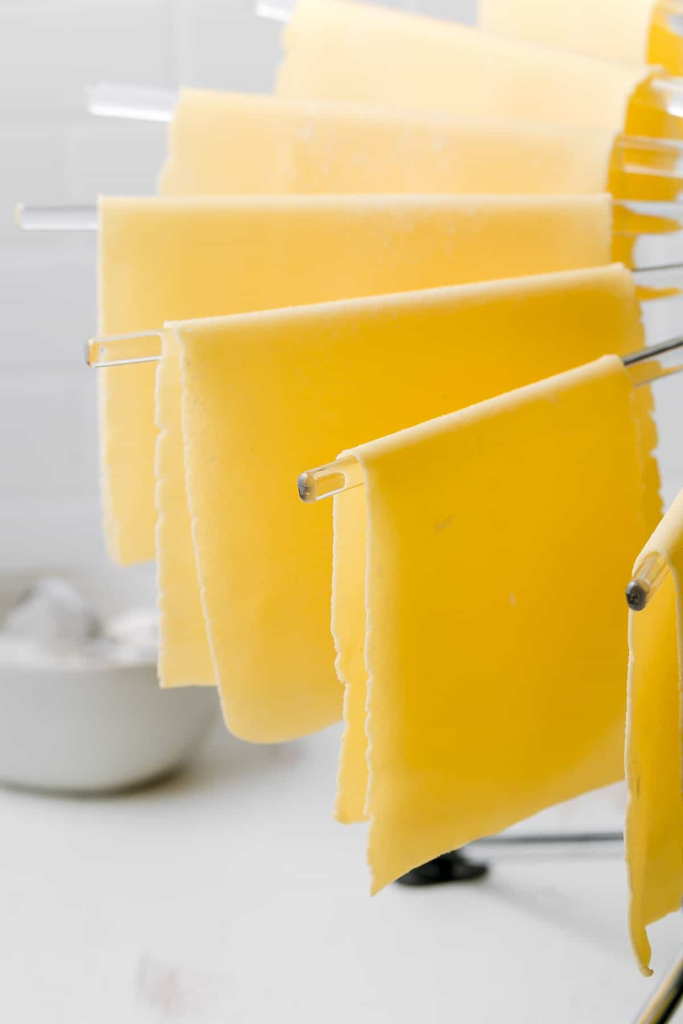
Boil sheets in salted water for 1–2 minutes, just until flexible. Transfer immediately to a towel.
Critical Cooking Tips
- Do not overboil — they finish cooking in the oven
- Handle gently while warm
- Keep sheets slightly moist until layering
- Use immediately for best results
If they cool and stiffen, re-dip briefly in hot water.
Using These Noodles in Lasagna
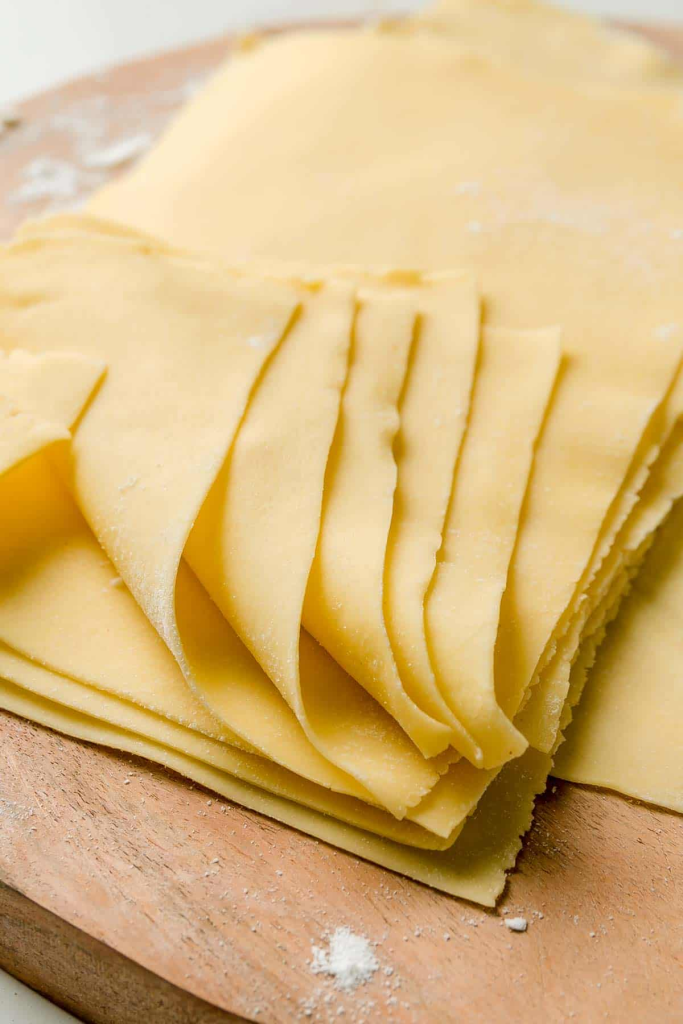
These noodles are designed for baked lasagna, not quick skillet dishes. Layer them just like regular lasagna sheets, using generous sauce to keep moisture balanced.
They work well with:
- Meat lasagna
- Vegetarian lasagna
- White sauce lasagna
- Spinach and ricotta lasagna
Make-Ahead and Storage
You can prepare the noodles a few hours in advance. Layer them between parchment paper and cover to prevent drying.
Freezing raw noodles is not recommended. If freezing is necessary, freeze the fully assembled lasagna instead.
Common Mistakes (Don’t Skip This)
- Using flour without xanthan gum
- Skipping dough rest
- Rolling too thin
- Overboiling noodles
- Using dry layers with not enough sauce
Each of these will ruin texture.
FAQs
Can I make these without eggs?
No. Eggs are essential for structure in gluten-free lasagna noodles.
Do I have to boil them first?
Yes. Parboiling ensures flexibility and prevents cracking during layering.
Can I dry these noodles?
No. These are fresh noodles and should be used the same day.
Why did my noodles break in the oven?
Likely too thin, overboiled, or not enough sauce between layers.
Final Thoughts
Gluten Free Lasagna Noodles are absolutely doable at home—but only if you respect the structure. This recipe prioritizes strength, flexibility, and reliability so your lasagna slices clean and holds together. Once you use homemade sheets like these, boxed gluten-free lasagna noodles won’t cut it anymore

Gluten Free Lasagna Noodles
Ingredients
Equipment
Method
- In a bowl, whisk together gluten-free flour and salt.
- Make a well in the center and add eggs. Mix until a rough dough forms.
- Add water one tablespoon at a time until the dough is soft, smooth, and pliable.
- Cover the dough and let it rest for 20–30 minutes.
- Place dough between two sheets of parchment paper and roll to about ⅛-inch thickness.
- Cut dough into lasagna-sized rectangles.
- Bring a large pot of salted water to a gentle boil.
- Parboil lasagna sheets for 1–2 minutes, just until flexible.
- Remove noodles and lay flat on a towel until ready to use.
Video
Notes
- Use a flour blend that contains xanthan gum
- Do not overboil; noodles finish cooking in the oven
- Handle sheets gently while warm
- Best used the same day

