
Gluten Free Pasta Recipe (Simple, Versatile & Better Than Store-Bought)

A gluten free pasta recipe gives you full control over texture, ingredients, and flavor—something that’s often missing in packaged gluten free pasta. While store-bought options are convenient, homemade gluten free pasta delivers a fresher taste and a more satisfying bite. This recipe focuses on simplicity and reliability, making it accessible even if you’re new to gluten free cooking.
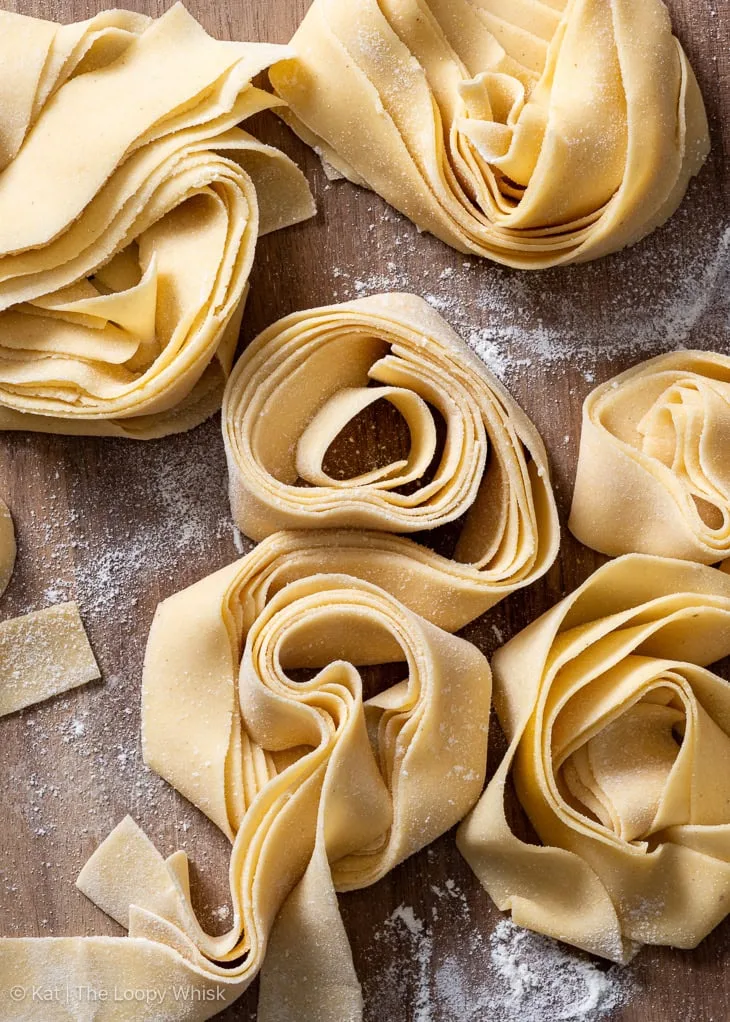
Gluten free pasta works beautifully for classic Italian-style dishes, quick weeknight meals, and lighter lunches. With the right balance of flour and moisture, you can achieve pasta that holds its shape, cooks evenly, and pairs well with any sauce.
Why Gluten Free Pasta Is Different
Traditional pasta relies on gluten to create elasticity and structure. Without gluten, pasta dough behaves differently and requires alternative binders to hold everything together. This means gluten free pasta dough is usually softer and more delicate than wheat-based dough.
Understanding this difference is key. Gluten free pasta doesn’t need aggressive kneading or long resting times. Instead, gentle handling and proper hydration are what produce the best results.
Choosing the Right Gluten Free Flour Blend
Not all gluten free flours perform the same way. A good gluten free pasta relies on a balanced blend rather than a single flour.
Rice flour provides structure, while tapioca or potato starch adds flexibility. Some blends include xanthan gum or psyllium husk, which act as binders and help the pasta hold together during cooking. Using a reliable gluten free all-purpose blend simplifies the process and improves consistency.
How to Make Gluten Free Pasta
Mixing the Dough
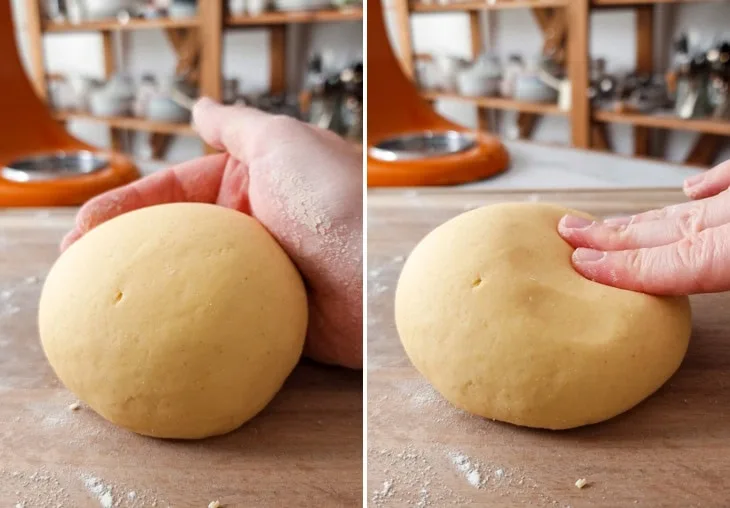
Gluten free pasta dough comes together quickly. Dry ingredients are mixed first, followed by eggs or liquid. The goal is a dough that feels soft but not sticky. Unlike wheat pasta, gluten free dough does not become elastic with kneading, so overworking it should be avoided.
If the dough feels dry, small amounts of water can be added gradually. If it’s too wet, a light dusting of flour helps bring it back to balance.
Resting and Rolling
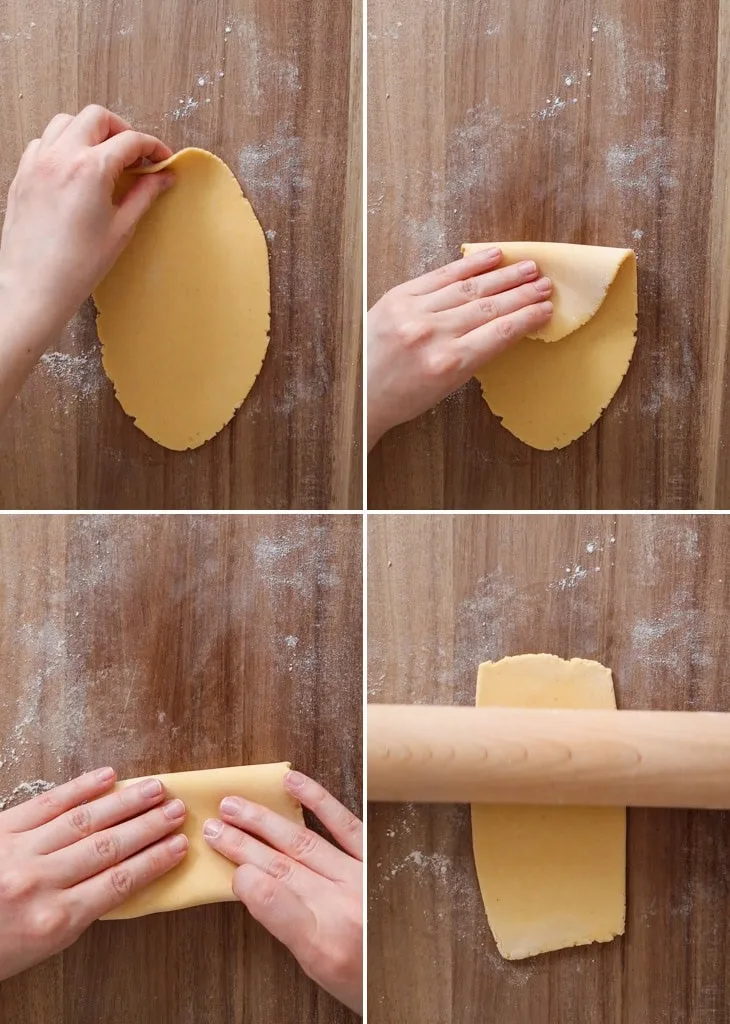
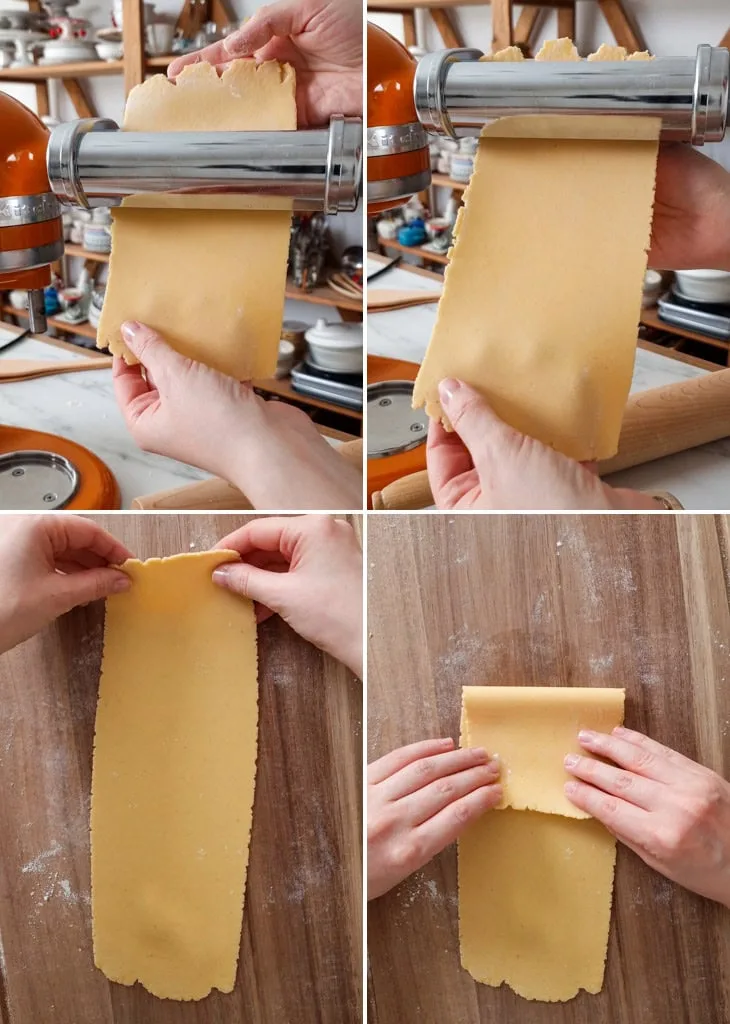
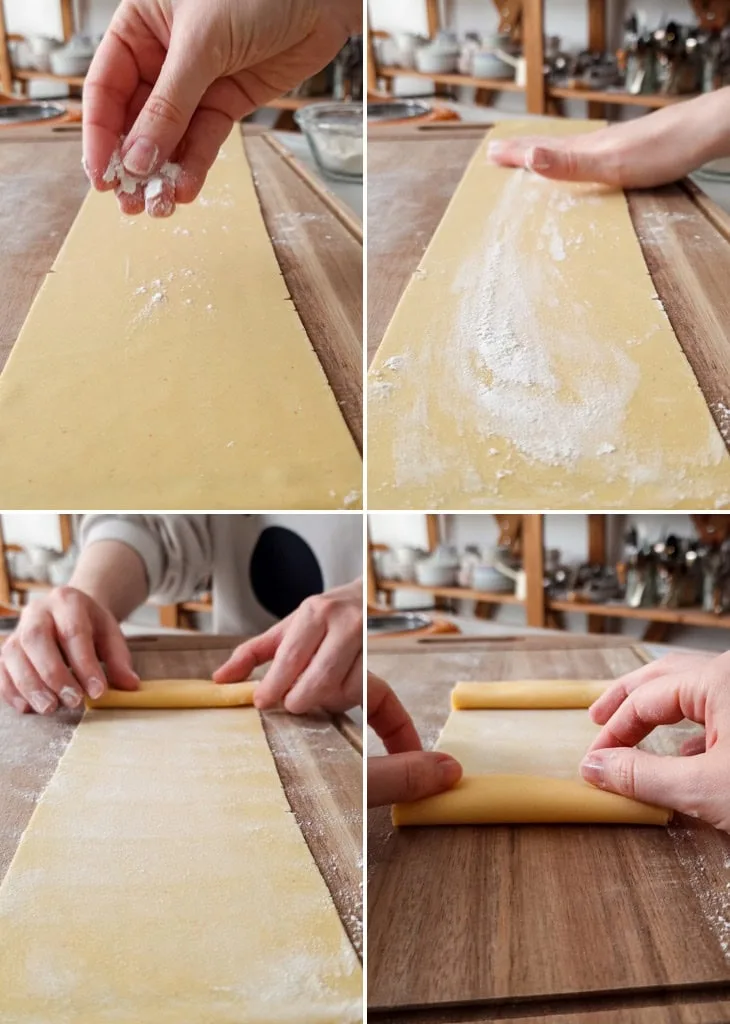
Resting gluten free dough briefly helps the flour fully hydrate, making it easier to roll out. Rolling should be done gently, either with a rolling pin or pasta machine, to prevent cracking.
Dusting with gluten free flour prevents sticking and helps maintain clean edges when cutting.
Cutting and Shaping
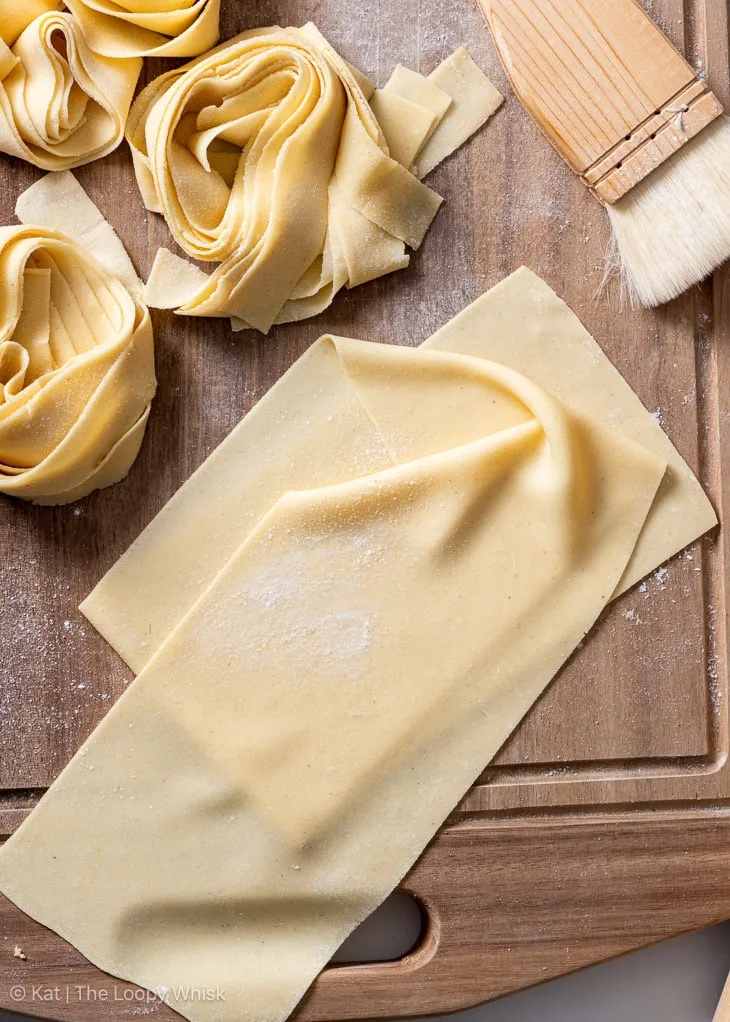
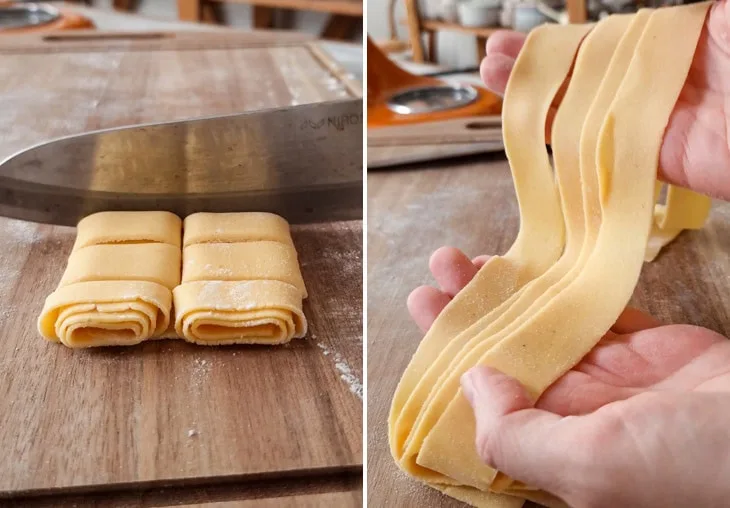
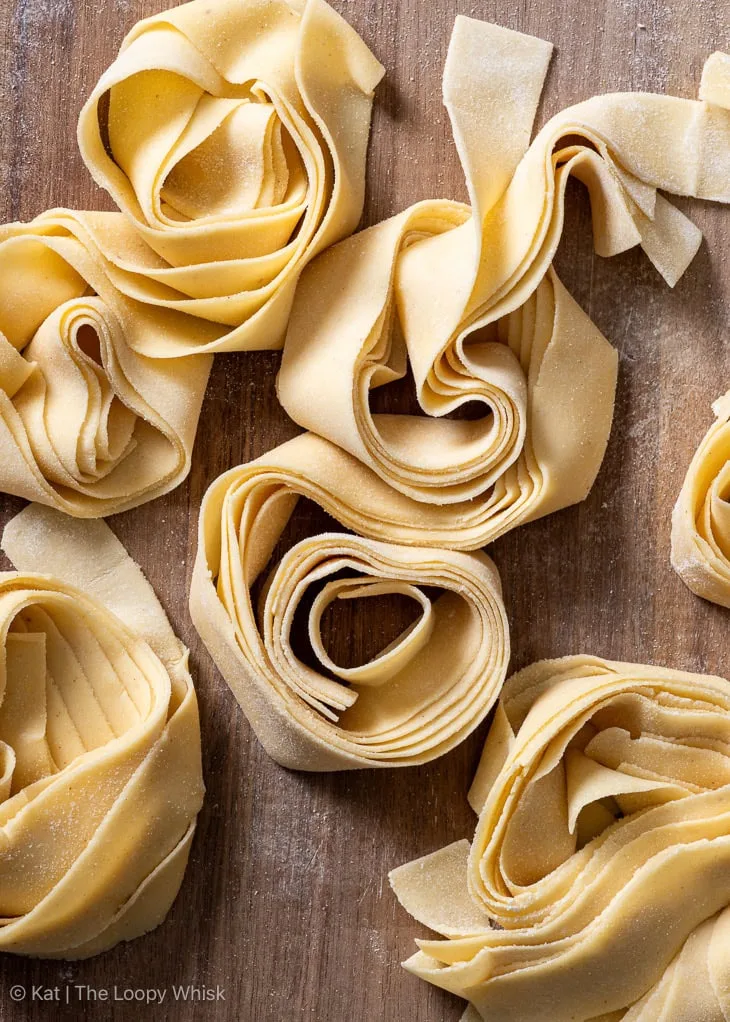
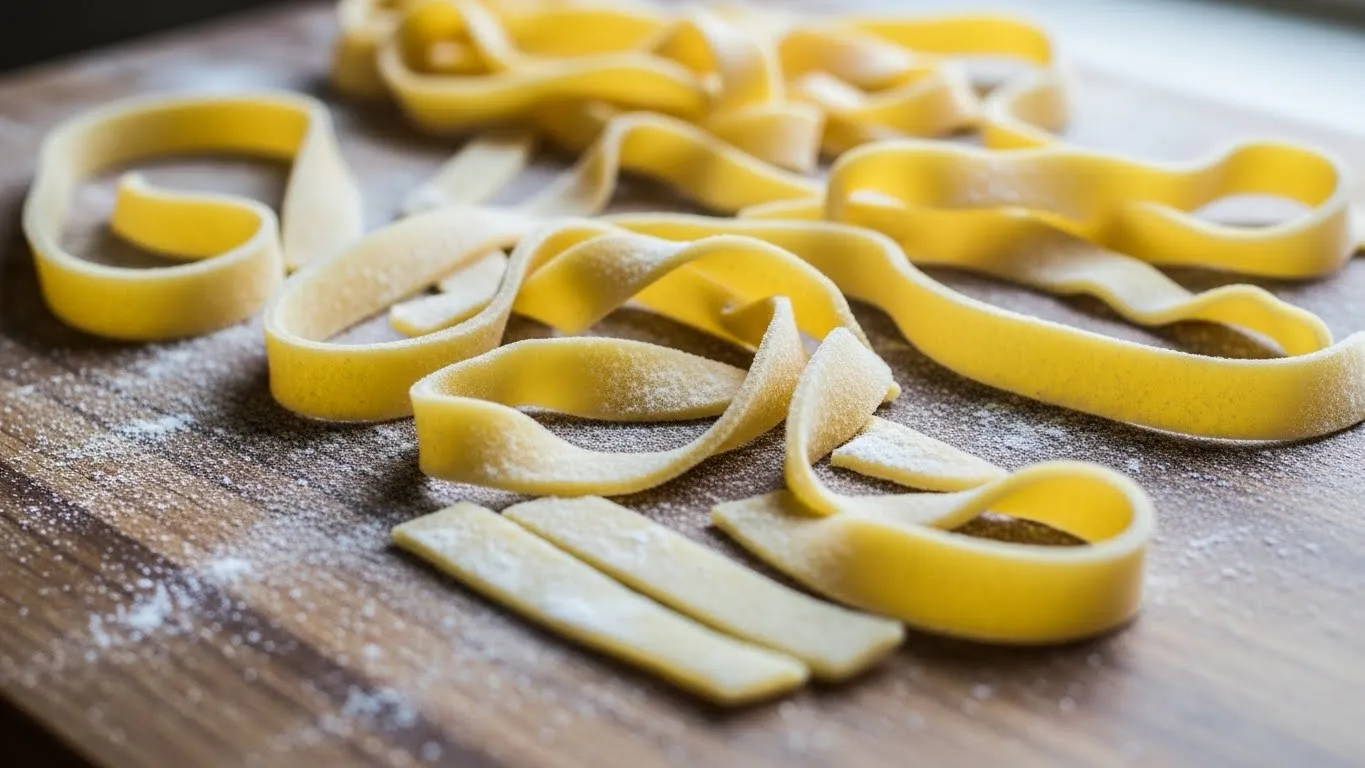
Gluten free pasta can be cut into simple shapes like fettuccine, tagliatelle, or sheets for lasagna. Simpler shapes are more forgiving and hold up better during cooking.
Because the dough is delicate, handling it carefully during shaping helps prevent breakage.
Cooking Gluten Free Pasta Correctly
Gluten free pasta cooks faster than traditional pasta and can go from perfect to overcooked quickly. Cooking in well-salted boiling water helps enhance flavor and prevent sticking.
Stir gently during the first minute of cooking, then test frequently. The pasta should be tender but still hold its shape. Overcooking can cause gluten free pasta to become mushy or fall apart.
Sauces That Work Best with Gluten Free Pasta
Gluten free pasta pairs well with a wide range of sauces. Lighter sauces like olive oil, garlic, and herbs highlight the pasta’s texture, while thicker sauces cling well to its surface.
Cream-based sauces, tomato sauces, and pesto all work beautifully. Avoid overly watery sauces, as they can soften the pasta too much.
Make-Ahead and Storage Tips
Fresh gluten free pasta can be made ahead and stored briefly before cooking. Lightly dusted pasta can be refrigerated for a day or frozen for longer storage.
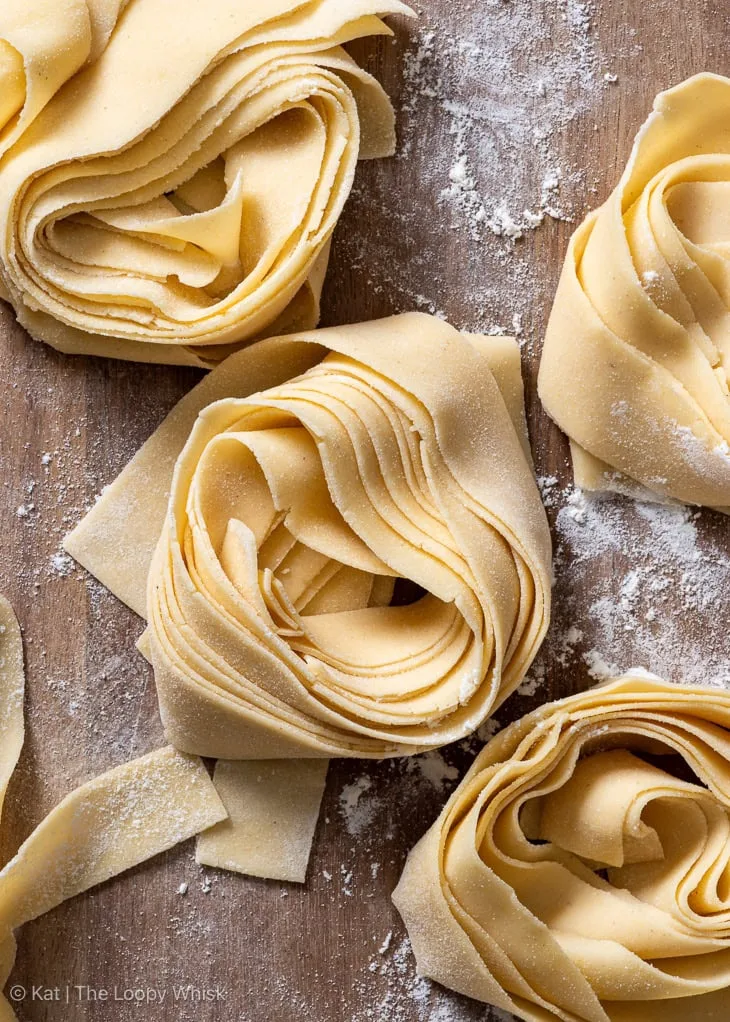
Cooked gluten free pasta stores best when lightly coated in oil to prevent sticking. Reheat gently with sauce to maintain texture.
Common Mistakes to Avoid
Over-flouring the dough can make it dry and crumbly. Skipping rest time can lead to cracking during rolling. Overcooking is the most common issue and should be avoided by checking pasta early and often.
Using a high-quality flour blend and handling the dough gently solves most gluten free pasta problems.
Frequently Asked Questions
Is gluten free pasta healthier than regular pasta?
It’s not necessarily healthier, but it’s essential for those with gluten intolerance or celiac disease.
Can I make gluten free pasta without eggs?
Yes, egg-free versions work, but texture may be slightly softer.
Why does gluten free pasta break easily?
It’s more delicate due to the lack of gluten. Gentle handling helps prevent breakage.
Can I dry gluten free pasta?
It’s best used fresh or frozen rather than fully dried.
Does gluten free pasta taste different?
Homemade gluten free pasta has a mild, neutral flavor that pairs well with sauces.

Gluten Free Pasta
Ingredients
Equipment
Method
- Add gluten free flour and salt to a bowl. Make a well in the center and add eggs and olive oil. Mix until a soft dough forms, adding water gradually if needed.
- Shape dough into a ball, wrap, and let rest for 15–20 minutes. This allows the flour to hydrate and makes rolling easier.
- Roll the dough out on a lightly floured surface until thin. Handle gently to avoid cracking.
- Cut into desired shapes such as fettuccine, tagliatelle, or sheets for lasagna.
- Cook in well-salted boiling water for 2–4 minutes, stirring gently, until tender but firm.
- Drain and toss immediately with sauce or olive oil.
Video
Notes
- Use a high-quality gluten free flour blend for best results.
- Do not overwork the dough; gentle handling is key.
- Gluten free pasta cooks quickly—check early.
- Best used fresh, but can be frozen before cooking.
- Toss with sauce immediately to prevent sticking.

